
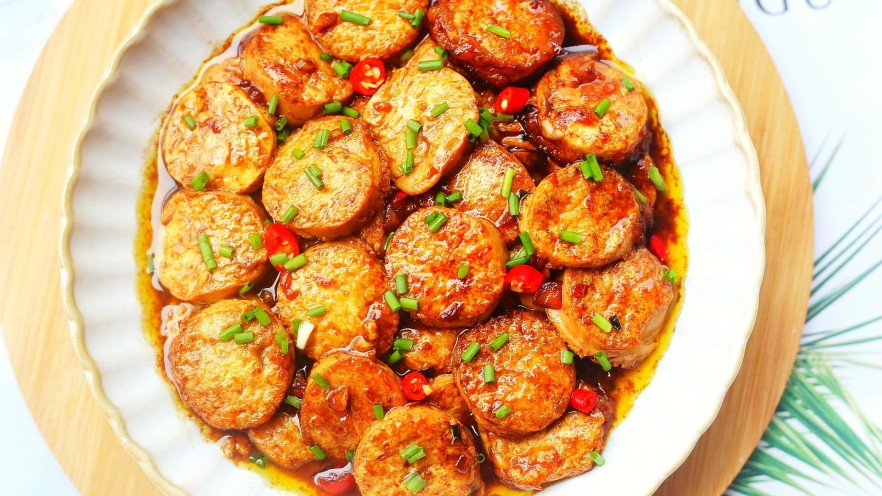


Introduction: Why This Braised Lamb Dish is My Winter Obsession

Let me start by saying: I’m not one to brag about recipes, but this braised lamb with soy sauce? It’s changed my winter. There’s nothing like coming home from a freezing walk and lifting the lid on a pot of this aromatic, tender goodness—steam billowing, the air thick with ginger, star anise, and sweet-savory sauce. Even my grandma, who’s been making this dish for 50+ years, says I’ve got a knack for it now. If you’re tired of the same old winter meals and want something that warms you from the inside out, this is it. Let’s dive in!
The Health Perks: Why Mutton Stews Belong in Your Winter Routine
TCM Wisdom Meets Modern Nutrition: Mutton is More Than Just Meat
First off, let’s get the science (and tradition) straight. In Chinese culture, mutton is a “warming” food, perfect for combating the bone-deep chill of winter. Traditional Chinese medicine (TCM) says it nourishes the spleen and kidneys—two organs that take a beating when temperatures drop. If you’ve ever felt sluggish, cold limbs, or digestive woes in winter, this dish might just be your new best friend. But don’t just take my word for it: mutton is packed with nutrients that make it a winter superfood!
- Iron & Zinc for Energy: Mutton has heme iron (easier to absorb than plant-based iron) and zinc, which fight fatigue and boost immunity. No more dragging through work meetings—just warm, steady energy.
- Protein Powerhouse: With 25g of protein per 3-ounce serving, mutton helps build muscle and keeps you full longer. Perfect for those post-gym meals or busy days where skipping lunch is tempting.
- Vitamins B1, B2, & Niacin: These B vitamins turn food into energy, which is crucial when you’re spending less time outdoors. Plus, they support healthy skin and hair—winter skin, meet your match!
And yes, that “warming” effect isn’t just a myth. Mutton’s natural heat helps blood circulation, so your hands and feet stay toasty even on the coldest nights. Think of it as a nutrient-dense hug for your body!
Ingredients: What Makes This Dish Sing
Must-Haves (and Why You Can’t Skip Them)
Let’s talk ingredients—this is where the magic happens. Every item here serves a purpose, so don’t skimp! I’ve even had friends try to swap ingredients and end up with a “meh” version. Trust me, stick to the list:
- Lamb Leg (750g): Lean, tender, and full of flavor. Avoid fatty cuts—they’ll make the dish greasy. If you’re in a pinch, beef shank works, but mutton’s the real deal here.
- Green Onions (3 stalks): The white parts add depth; the green tops brighten the dish at the end. Don’t use scallions—they’re too mild!
- Ginger (thumb-sized piece): Slice it thin to release its warming aroma. Skip this, and your lamb will taste flat.
- Garlic (4 cloves): Mince the white part for sautéing, save the green for the final stir. Garlic = flavor, period.
- Star Anise (2 pods): The star of the show! Adds a sweet, licorice-like scent that’s non-negotiable. If you can’t find them, use 1 tsp ground star anise, but fresh is better.
- Dried Red Chili (2 slices): Adds a subtle kick without overpowering. Remove them if you hate spice, but I swear by a tiny heat here.
- Bay Leaves (2 leaves): Earthy, aromatic, and essential for that “restaurant-quality” braise.
- Sichuan Peppercorns (1 tsp): The secret to numbing, tingly flavor! If you’re not into Sichuan spice, swap for black peppercorns, but you’ll lose that signature zing.
- Fresh Hawthorn (1 piece): Yes, hawthorn! This tart fruit tenderizes the lamb and balances the sweetness. You can find it at Asian grocery stores or online. If not, use 1 tsp dried hawthorn powder or a splash of apple cider vinegar.
Pro tip: Buy lamb from a reputable butcher. The quality makes all the difference—look for bright red meat with minimal fat marbling. Trust me, your future self will thank you.
Step-by-Step: My Family’s 50-Year-Old Braising Method
Step 1: Blanch the Lamb – The Secret to Tender, Clean Flavor

First, cut the lamb into 2-inch chunks. I like bone-in for extra flavor, but boneless works too. Place the lamb in a pot, cover with cold water, and bring to a boil. You’ll see a gross layer of foam—scoop that out with a slotted spoon. This removes impurities and the “gamey” taste. Once boiling, let it cook 2 minutes, then drain and rinse the lamb under cold water. Pat dry with paper towels—this helps it brown later! I’ve burned myself on hot lamb before, so be careful with the steam!
Step 2: Prep Your Aromatics – Aromatic Symphony in the Making

While the lamb cools, prep your ingredients like a pro. Slice ginger into thin rounds, mince garlic (white and green parts), chop green onions into 1-inch sections, and slice the hawthorn into wedges. Measure out the star anise, bay leaves, chili, and Sichuan peppercorns. Keep them all in a bowl so you don’t fumble during cooking. I once forgot the star anise and cried over a flavorless dish—don’t repeat my mistake!
Step 3: Sauté the Aromatics – The Scent You’ll Crave All Day

Heat 2 tbsp oil in a heavy-bottomed pot (Dutch oven = best friend here) over medium heat. Add the ginger, garlic, green onions (white parts), star anise, chili, bay leaves, and Sichuan peppercorns. Stir for 30 seconds until fragrant—your kitchen will smell like a warm hug! If you’re using sesame oil, add it now for that extra Chinese flavor. I use olive oil for a lighter twist, but sesame is traditional.
Step 4: Brown the Lamb – The Color That Makes It Pop

Add the drained lamb to the pot and stir to coat with the aromatics. Drizzle in 2 tbsp Shaoxing wine (Chinese cooking wine) to deglaze and add depth. Then, pour in 2 tbsp light soy sauce (for salt) and 1 tbsp dark soy sauce (for color). Stir everything together—you’ll see the lamb turn a beautiful golden-brown. This step locks in flavor; skip it, and your dish will be dull.
Step 5: Simmer Low – Let the Magic Happen

Cover the pot and reduce heat to low. Simmer for 15 minutes. This is when the lamb starts to absorb the sauce. Don’t peek! You’ll see the aroma rise, and trust me—you’ll want to. If the pot gets too dry, add ¼ cup hot water. Patience is key here; rushing makes the meat tough. I once simmered it for 10 minutes and got chewy lamb. Lesson learned!
Step 6: Add Liquid, Sugar, and Hawthorn – The Sweet-Savory Boost

Now, this is the “heart” of the recipe! Add 1 cup hot water (not cold—this keeps the meat tender), 1 tsp sugar (to balance saltiness), and the hawthorn wedges. Stir, then bring to a boil. Reduce heat to low and simmer for 1 to 1.2 hours. Set a timer—1 hour is minimum, but 1.2 hours makes the lamb fall-off-the-bone tender. I use a slow cooker on low for 4 hours if I’m busy, but stovetop is traditional. Check every 20 minutes to ensure the liquid doesn’t evaporate completely.
Step 7: Add Garlic Stalks and Reduce the Sauce – Glossy Perfection

After the hour, add the remaining garlic (the white part) and stir. Crank the heat to high and let the sauce reduce—this takes 5-7 minutes. You want a thick, glossy sauce that clings to the lamb. If it’s too runny, simmer longer; if too thick, splash in a little water. I’ve over-reduced before and ended up with burnt sugar, so watch carefully!
Step 8: Finish with Garlic Leaves – Freshness in Every Bite

Finally, add the green garlic leaves and stir for 30 seconds. They’ll wilt slightly, adding a fresh, savory note. Now, your braised lamb is ready! Ladle into a bowl and serve hot with steamed rice, noodles, or even crusty bread. The lamb should be tender enough to pull apart with a fork—if not, simmer 10 more minutes. I’ve had this dish with leftover rice the next day, and it’s even better! The flavors deepen overnight.
Serving Tips: Make It a Meal, Not Just a Dish
Pair this lamb with these sides for maximum satisfaction:
- Steamed Rice: Soak up every drop of sauce—mandatory.
- Stir-Fried Bok Choy: Crunchy, fresh, and balances the richness.
- Pickled Vegetables: Tangy, spicy, and cuts through the fat.
- Warm Noodles: Add a splash of soy sauce and sesame oil for a quick upgrade.
Pro tip: Reheat leftovers in a slow cooker with a splash of water. The sauce will thicken perfectly, and the meat will stay tender. I’ve even frozen portions for later—just thaw and reheat!
Why This Recipe Beats Takeout (And How to Perfect It)
Let’s be real: takeout braised lamb can cost $30+ and never hits the spot like homemade. My grandma always says, “The best braises are made with love and time.” And she’s right! This recipe takes patience, but the result is worth it. I once tried a shortcut with instant pot and got a “meh” version—turns out, slow simmering is non-negotiable for that melt-in-your-mouth texture.
Here’s my biggest tip: don’t rush the simmer. If you try to speed it up with high heat, the meat dries out. Low and slow is the way to go. Also, use a heavy pot—aluminum conducts heat unevenly, while cast iron ensures even cooking. Trust me, your kitchen will thank you.
And if you’re worried about spice levels? Adjust the chili and Sichuan peppercorns to your taste. I like mine with a little kick, but my grandma prefers mild, so we all win by customizing!


