
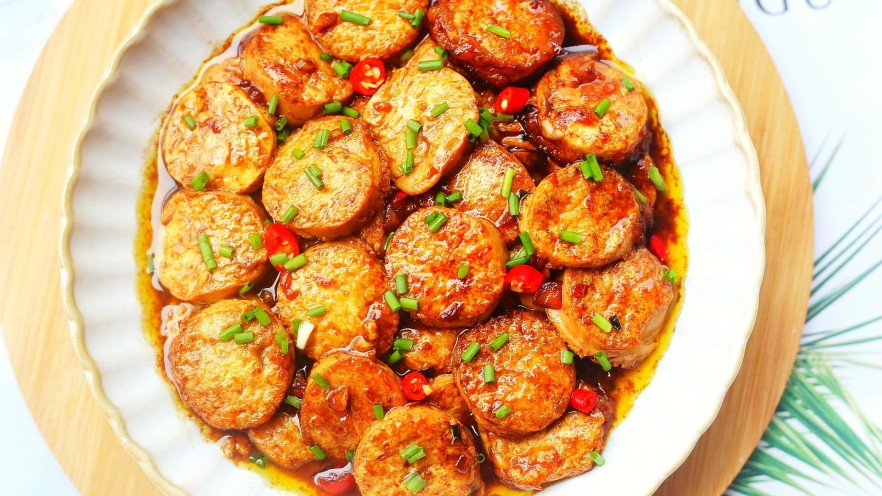


Scallion Pancakes: The Crispy, Onion-Lover’s Dream You Can Make at Home
Let’s be real—there’s nothing quite like the smell of a fresh scallion pancake wafting through the kitchen. That crispy, flaky exterior, the soft, chewy inside, and that burst of scallion flavor with every bite? *Chef’s kiss.* I used to think these were only reserved for street food vendors or fancy dim sum spots, but guess what? Making them at home is way easier than I thought. And today, I’m spilling my go-to scallion pancakes recipe—no fancy tools required, just simple ingredients and a little patience (okay, maybe a tiny bit of arm work for rolling, but trust me, it’s worth it).

Why This Scallion Pancakes Recipe Works
Before we dive in, let’s talk about why this recipe is a keeper. First, it’s no-fuss—no yeast, no complicated fermentation steps. Second, the texture is perfectly balanced: crispy on the outside, tender and layered on the inside. Third, the scallion flavor is front and center (none of that “meh” onion aftertaste). I’ve tested this a dozen times—tweaking the water amount, the folding method, the seasoning—and this version hits all the right notes. Whether you’re making them for breakfast, a snack, or a side dish, they’ll disappear in minutes (warning: have extra ingredients on hand if you’re feeding a crowd).
Ingredients You’ll Need (For 2-3 Medium Pancakes)
Let’s keep it simple—you probably have most of these in your pantry already. Here’s the breakdown:
- All-purpose flour (150g): Don’t use bread flour (it’s too tough) or cake flour (too soft)—all-purpose is just right for that chewy texture.
- Scallions (3 stalks): Use fresh green scallions—they have a brighter flavor than dry ones. Chop both the green and white parts (the white parts add a mild sweetness).
- Egg (1 large): Adds moisture and makes the dough more tender. If you’re vegan, you can skip it (just add a little extra water—start with 2 tbsp and adjust).
- Salt (to taste): Don’t skimp! Salt brings out the scallion flavor and seasons the dough.
- Black pepper composite seasoning (to taste): This is my secret weapon! It has a mix of black pepper, garlic powder, and a hint of paprika—adds a subtle kick without overpowering the scallions. If you don’t have it, just use plain black pepper.
- Cooking oil (about 3 tbsp): I use vegetable oil or canola oil—neutral flavors work best. You’ll need it for the dough, folding, and pan-frying.
- Water (about 60-70ml, room temperature): The amount depends on your flour—add it slowly (we’ll talk about this later).
Step-by-Step Instructions: Let’s Make Scallion Pancakes!
Okay, let’s get hands-on. I’ll walk you through each step with tips to avoid common mistakes. Let’s go!
Step 1: Gather Your Ingredients (Yes, This Is Important)

I know, I know—“gathering ingredients” sounds boring, but it’s a game-changer. There’s nothing worse than mid-recipe realizing you forgot to chop the scallions or heat the pan. So lay out your flour, chop your scallions, crack the egg into a small bowl—get everything ready before you start. Trust me, this will make the process smooth and stress-free.
Step 2: Season the Flour (Don’t Skip This)

Take your flour and put it in a medium mixing bowl. Add a tiny pinch of salt (like 1/4 tsp) and stir it with a fork. Why? Because seasoning the flour itself ensures the flavor is evenly distributed throughout the dough—no bland bites here. It’s a small step, but it makes a big difference.
Step 3: Mix the Dough (The “Fluffy Flakes” Trick)

Now, make a well in the center of the flour. Crack the egg into the well, then add 50ml of water (save the rest for adjusting). Grab a chopstick (or a fork) and stir the egg and water together first, then slowly incorporate the flour from the edges. Keep stirring until you get fluffy, cotton-like flakes—this is key! If the flakes are too dry (they’re falling apart), add a little more water (1 tsp at a time). If they’re too wet (sticking to the bowl), add a pinch more flour. You don’t want a sticky dough—just soft, manageable flakes.
Step 4: Knead and Rest the Dough (Patience = Layers)

Now, it’s time to knead. Dump the flakes onto a clean counter (no need to flour it if the dough isn’t sticky). Use your palms to press the flakes together into a ball, then knead for 5-7 minutes. The dough should become smooth and elastic—if it’s still rough, keep kneading (it’s like a mini arm workout!). Once it’s smooth, shape it into a ball, put it back in the bowl, and cover it with plastic wrap. Let it rest for 30 minutes at room temperature. Why rest? It relaxes the gluten, so the dough will be easier to roll out later. Don’t skip this—if you roll it right away, it will spring back and be a pain to work with.
Step 5: Prep the Scallion Filling (Flavor Boost!) While the Dough Rests

While the dough is resting, let’s make the filling. Chop the scallions into small pieces (about 1cm) and put them in a small bowl. Add a pinch of salt (1/4 tsp) and your black pepper composite seasoning (or plain black pepper—1/2 tsp). Stir it all together. Pro tip: Adding salt to the scallions now draws out a little moisture, which prevents the filling from making the dough soggy later. Genius, right?
Step 6: Roll Out the Dough (Thin = Crispy)

After 30 minutes, the dough is ready! Divide it into 2 or 3 equal pieces (I do 2 for bigger pancakes). Take one piece (cover the rest with plastic wrap so it doesn’t dry out) and flatten it with your palm. Dust the counter with a little flour (just a tiny bit—too much will make the dough dry) and use a rolling pin to roll it into a thin circle (about 20cm wide and 2mm thick). The thinner you roll it, the crispier the pancake will be—but don’t roll it so thin that it tears (you need to fold it later!).
Step 7: Brush with Oil (The Layer Secret)

Now, take a pastry brush (or a paper towel) and brush a thin layer of oil all over the rolled-out dough. This oil is what creates the flaky layers—so don’t skip it! Use just enough to coat the surface (you don’t want it dripping).
Step 8: Season the Dough (Double the Flavor)

Sprinkle a little salt (1/8 tsp) over the oiled dough—this adds another layer of flavor. Then, take your scallion mixture and sprinkle it evenly over the dough (leave a 1cm border around the edges so the filling doesn’t leak out when you fold). Press the scallions gently into the dough with your palm—this helps them stick.
Step 9-11: Fold and Roll (The “Layer Magic” Steps)
This is where the layers happen—pay attention! Let’s break it down:
- Step 9 (First Fold):

 Fold the dough in half like a semi-circle (the scallions will be inside). Then, brush a thin layer of oil on the top of the folded dough.
 - Step 10 (Second Fold):
 Fold it in half again to make a quarter-circle. Brush another thin layer of oil on top.
 - Step 11 (Roll into a Log):
 Now, roll the quarter-circle into a tight log (like a cinnamon roll). This rolling creates all those flaky layers—so roll it as tight as you can without tearing the dough.
Step 12: Roll into a Pancake (Again!)

Take the log and press it flat with your palm. Then, use the rolling pin to roll it into a round pancake (about 12cm wide and 5mm thick). Don’t roll it too thin—you want to keep the layers intact. If the dough springs back, let it rest for 5 minutes before rolling again.
Step 13: Pan-Fry Until Golden Brown (The Best Part!)

Heat a non-stick pan over medium-low heat (this is crucial—high heat will burn the outside before the inside is cooked). Add 1 tbsp of oil and let it heat up (the oil should shimmer, but not smoke). Carefully place the pancake in the pan. Cook for 2-3 minutes on the first side—you’ll see bubbles forming and the edges turning golden. Then, flip it over and cook for another 2-3 minutes on the second side. Press the center of the pancake with a spatula—if it feels firm, it’s done. If it’s soft, cook it for another minute. Repeat with the remaining dough (add more oil to the pan if needed).
Step 14: Serve and Enjoy (Crunch Alert!)

Take the pancake out of the pan and let it cool for 1 minute (it will crisp up even more as it cools). Then, slice it into wedges and serve immediately. Pro tip: Pair it with soy sauce (or a mix of soy sauce and vinegar) for dipping—trust me, it’s a match made in heaven. Or eat it plain—either way, that crunch will make you smile.
My Top Tips for Perfect Scallion Pancakes Every Time
I’ve made my share of bad scallion pancakes (too tough, too soggy, no flavor)—so here are the tips that saved me:
- Don’t over-knead the dough: 5-7 minutes is enough—over-kneading makes the dough tough.
- Rest the dough: 30 minutes is non-negotiable—this makes rolling easier and the texture better.
- Use medium-low heat: High heat = burnt outside, raw inside. Medium-low gives you that golden, crispy exterior and cooked interior.
- Don’t skip the oil when folding: Oil = layers. No oil = flat, boring pancakes.
- Make ahead: You can make the rolled pancakes (step 12) ahead of time! Wrap them in plastic wrap and refrigerate for up to 2 days, or freeze for up to 1 month (add 1 minute to cooking time if frozen).
Final Thoughts: Why You Should Make These Scallion Pancakes Today
Making scallion pancakes at home is not just about the food—it’s about the experience. The smell of the scallions cooking, the sound of the pancake crunching when you bite into it, the smile on your family’s faces when they take the first bite. It’s simple, it’s satisfying, and it’s way better than takeout. I hope this recipe becomes a staple in your kitchen—let me know in the comments if you make it (and if you add any fun twists, like cheese or sesame seeds!). Happy cooking!


