
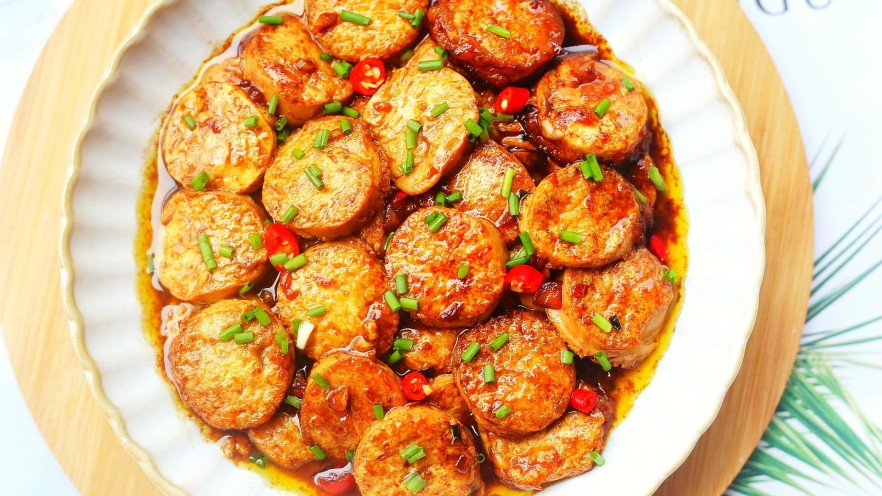


Must-Try Fall Dish: Braised Taro with Scallions (Cong Kao Yu Nai) – A Comfort Food Gem
Okay, let’s be real—fall food hits different, right? The crisp air, the cozy vibes, and dishes that make you go “Mmm, that’s the stuff.” If you’re tired of the same old pumpkin spice everything (no shade, but sometimes you need a break), let me introduce you to my new fall obsession: Braised Taro with Scallions, or as the locals call it, “Cong Kao Yu Nai.” This Southern Chinese classic is the ultimate comfort food—creamy, fragrant, and so easy to make that even if you burn toast on the regular, you can nail it. Trust me, I’ve been there.

Why This Fall Dish Is Non-Negotiable
First off, taro (that starchy, purple-tinged root veggie) is peak in fall. It’s like nature’s hug in a tuber—creamy when cooked, with a subtle nutty flavor that pairs perfectly with… well, anything, but especially scallions. And let’s talk about the combo here: crispy scallion oil, tender taro, and a hint of sweetness and saltiness. It’s not too heavy, not too light—just right for those days when you want something warm but not a huge meal. Plus, it’s a staple in Southern Chinese households for a reason: it’s quick, uses simple ingredients, and tastes like home.
What Makes This Recipe Stand Out?
Unlike some fancy fall dishes that require 10 ingredients and a PhD in cooking, this one’s a breeze. Let’s break down why it’s my go-to:
- Super easy for beginners: No fancy techniques—just chop, boil, stir, and simmer. I’ve made this after a long workday when my brain was fried, and it still turned out amazing.
- Budget-friendly: Taro and scallions are cheap, and you probably have the rest of the ingredients (sugar, salt, oil) in your pantry.
- Versatile: Eat it as a side dish with rice, or even as a main if you’re craving something hearty but veggie-forward.
- Fall-perfect: The warm, savory flavors pair perfectly with fall’s crisp weather. It’s like a hug for your taste buds.
Let’s Gather the Goods: Ingredients You’ll Need
Before we dive in, let’s list out what you need. No weird stuff here—promise:
- 6 small taros (about 2 cups when cubed; pick ones that feel heavy for their size—they’re creamier!)
- 15g minced scallion whites (the white part of scallions—this is where the flavor is)
- 200g chicken or vegetable broth (homemade is best, but store-bought works too)
- 10g chopped scallion greens (for garnish—adds a fresh pop)
- 5g sugar (yes, sugar! It balances the salt and brings out the taro’s sweetness)
- 1.5g salt (go easy—broth might have some salt already)
- Cooking oil (neutral oil like canola or peanut works best)
Pro tip: If you can’t find small taros, use a large one and cut it into 2-inch cubes. Just make sure they’re uniform so they cook evenly.
Step-by-Step: How to Make Braised Taro with Scallions
Okay, let’s get cooking! I’ll walk you through each step—no stress, I promise. Let’s start with the prep work (the worst part, but it’s quick).

Step 1: Prep the Taro (The “Almost No-Cook” Part)
First, grab your taros and give ’em a good scrub. Dirt is the enemy here—you don’t want grit in your final dish. Then, put them in a pot, cover with water, and bring to a boil. Once boiling, turn the heat down to low and simmer for 15 minutes. Pro tip: Stick a fork in one—if it goes in easily, it’s done!

Step 2: Cool and Peel (The “Why We Love Cold Water” Part)
Once the taros are tender, drain them and immediately plunge them into a bowl of cold water. This stops the cooking process and makes peeling way easier. Trust me—hot taro is a pain to peel, and you’ll end up with sticky fingers. Cold water is your friend here.

Step 3: Chop ’Em Up (Uniformity Is Key)
Now, peel the taros. The skin should slide right off with a knife or even your fingers (if they’re cool enough). Then, cut them into 1.5-inch cubes. Try to make them as uniform as possible—this ensures they cook evenly in the pan. No one wants a taro cube that’s mushy and another that’s still crunchy!

Step 4: Sauté the Scallion Whites (The Aroma Bomb)
Heat a pan over medium heat, add a tablespoon of oil, and toss in the minced scallion whites. Stir them around for 30 seconds to a minute—you’ll know they’re done when they smell fragrant and turn slightly golden. Don’t burn them! Burnt scallions taste like regret, and we don’t want that.

Step 5: Add the Taro (The Star of the Show)
Throw the cubed taro into the pan and stir gently to coat them with the scallion oil. You don’t need to brown them too much—just a light golden color is fine. Be careful not to mash the taro—they’re soft now, so stir like you’re handling a baby (okay, maybe not that gentle, but be mindful).

Step 6: Simmer with Broth and Seasonings (The Flavor Magic)
Now, pour in the broth, add the sugar and salt, and stir everything together. Bring it to a gentle boil, then turn the heat down to low, cover the pan, and let it simmer for 5 minutes. This is where the taro absorbs all the yummy flavors—broth, scallion, sugar, salt. It’s like a flavor spa for the taro.


Step 7: Thicken the Sauce and Garnish (The Final Touch)
After 5 minutes, uncover the pan and turn the heat up to medium-high to thicken the sauce. Stir occasionally to prevent sticking. You want the sauce to be thick enough to coat the taro—like a light glaze. Once that’s done, turn off the heat, sprinkle with the chopped scallion greens, and give it a quick stir.


My Pro Tips to Avoid Common Mistakes
Let’s be real—no recipe is perfect, but these tips will help you avoid the most common fails:
- Don’t skimp on broth: Taro soaks up liquid like a sponge, so make sure you have enough. If the sauce is too thick before the taro is tender, add a splash more broth.
- Low heat is your friend: When simmering, keep the heat low. High heat will make the sauce burn and the taro stick to the pan.
- Taste as you go: Everyone’s taste buds are different! If it’s too salty, add a pinch more sugar. If it’s too sweet, add a tiny bit more salt. Balance is key.
- Don’t overcook the taro: Boiling for 15 minutes is perfect—any longer and it will turn mushy. You want it tender but still holding its shape.
How I Enjoy This Dish (And You Should Too!)
I’m not gonna lie—this dish is so good, I’ve eaten it for lunch, dinner, and even as a snack. Here are my favorite ways to serve it:
- With steamed rice: The creamy taro and savory sauce pair perfectly with fluffy white rice. It’s a classic combo that never gets old.
- As a side dish: Serve it with grilled chicken or fish for a balanced meal. The taro adds a hearty, comforting element.
- As a main: If you’re craving something veggie-forward, this is a great main dish. Just add a side of greens (like sautéed bok choy) for extra nutrition.
Last week, I made this for my roommate, who’s a total foodie, and she asked for seconds before she even finished her first bite. That’s the sign of a good dish, right?
Why This Recipe Is a Fall Staple for Me
Fall is all about comfort, and this dish delivers that in spades. It’s warm, fragrant, and reminds me of my grandma’s cooking (even though she never made it—wait, no, now I’m confused. Maybe it’s just the cozy vibes?). Either way, it’s become a weekly staple in my kitchen, and I think it will be in yours too.
So, what are you waiting for? Grab some taro, chop some scallions, and give this recipe a try. I promise you won’t regret it. And if you do (which you won’t), well… at least you tried something new. But let’s be real—you’re gonna love it.
Oh, and one last thing: if you make this, tag me on Instagram! I’d love to see your creations. Happy cooking, fall friends!


