
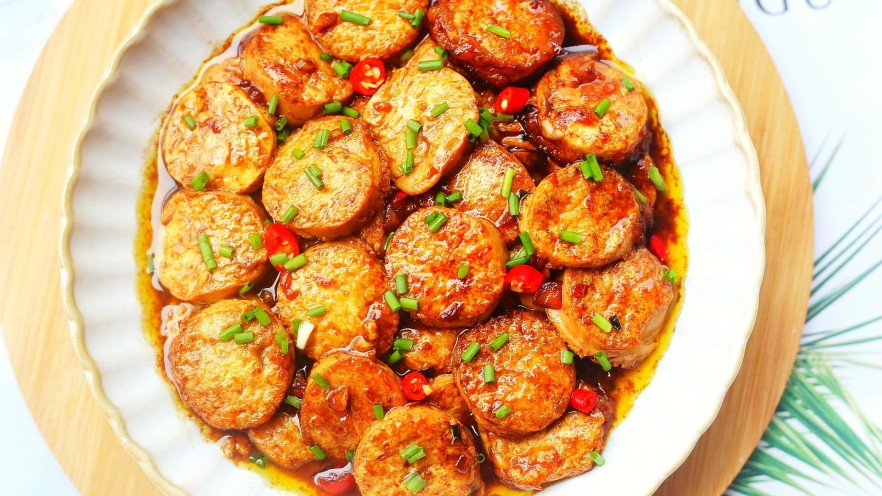


Sichuan Braised Pork (Shao Bai): A Home-Style Recipe for the Heart of Any Feast
Okay, let’s cut to the chase—if you’ve ever been to a Sichuan family gathering or banquet, you know the moment everyone’s been waiting for. It’s not the fancy cold dishes, not the spicy hot pot (though those are amazing), it’s the Shao Bai hitting the table. That glistening, melt-in-your-mouth pork? The savory, umami-packed bottom layer? I still remember my grandma’s version—she’d make it for every Lunar New Year, and the whole house would smell like heaven for hours. And here’s the thing: it’s way easier to make at home than you think. No fancy equipment, no crazy ingredients—just good old-fashioned comfort food that’ll make your guests go “WHOA, you made this?!”

Wait, What Is Shao Bai, Anyway?
First off, let’s get one thing straight: Shao Bai is not your average braised pork. Unlike Cantonese mei cai kow yuk (which uses dried pickled mustard greens), Shao Bai leans into Sichuan’s love for bold, layered flavors—but in a homey, not-over-the-top way. The magic is in the balance: crispy, caramelized pork skin, juicy fat that melts like butter (no greasiness, I promise), and tender lean meat that soaks up every drop of sauce. It’s the kind of dish that makes you close your eyes and sigh with every bite. And the best part? It’s a staple at Sichuan banquets because it’s symbolic—the round pork slices represent unity, and the rich flavor stands for abundance. Talk about a double win!
What You’ll Need (No Fancy Stuff, Promise)
Let’s break down the ingredients—you probably have most of these in your kitchen already. No weird Sichuan-exclusive items (okay, maybe the ya cai, but we’ll talk about that in a sec).
Core Ingredients
- 500g (about 1 lb) pork belly: This is non-negotiable. You need that perfect ratio of fat to lean—too lean and it’s dry, too fatty and it’s… well, too fatty. Look for a block with even layers (like a marble cake—trust me).
- 100g (about 1 cup) ya cai: This is Sichuan pickled mustard greens—salty, a little tangy, and totally addictive. You can find it at Asian grocery stores (look for the jarred kind) or online. If you can’t find it, don’t substitute with regular pickles—ya cai has a unique depth that makes the dish sing.
- 6–8 ginger slices: Ginger cuts through the fat and adds warmth. No peeling? No problem—just smash ’em a little first to release the flavor.
- A handful of Sichuan peppercorns: Wait, but not too many! We’re going for subtle numbing warmth, not a mouth-numbing explosion (this is home-style, remember?).
- Soy sauce (light and dark): Light soy for saltiness, dark soy for that deep, rich color (it’s what makes the pork look like a glossy, delicious prize).
Step-by-Step: How to Make Shao Bai That’ll Impress Everyone
Okay, let’s get cooking. I’ll walk you through every step—no shortcuts, no confusing jargon. Just follow along, and you’ll have restaurant-worthy Shao Bai in no time.

Step 1: Boil the Pork Belly (The “Prep” Step That Matters)
First, grab a pot and fill it with enough water to cover the pork belly. Toss in the ginger slices and Sichuan peppercorns—this is where the pork gets its base flavor. Bring it to a boil, then turn the heat down to a simmer. Let it cook for about 15–20 minutes, until the pork is just tender enough to pierce with a fork (don’t overcook it—we’re not making pulled pork here!).


Once it’s done, fish the pork out and let it cool for a few minutes. Pro tip: Pat it dry with a paper towel—wet skin won’t crisp up later. Trust me, I’ve made that mistake before, and it’s a bummer.

Step 2: Color and Crisp the Pork Skin (The “Wow” Factor)
This is the step that makes Shao Bai look like a million bucks. Grab a brush and coat the pork skin with dark soy sauce—be generous, but don’t drown it. Let it sit for 5 minutes so the soy soaks in (this helps the color stick).

Now, heat a pan with a little oil (about 2 tablespoons—you don’t need a pool of oil). Once the oil is hot (but not smoking), place the pork skin-side down in the pan. Turn the heat to low—we’re going to fry it slowly to get that crispy, caramelized crust. Let it cook for 5 minutes, checking occasionally. When the skin is golden brown and crispy (it’ll smell amazing), flip it over and fry the other sides for 1 minute each—just to seal in the flavor.


Once it’s fried, transfer the pork to a cutting board and let it cool again—this makes slicing easier. Now, slice it into 1cm (about ½ inch) thick pieces. Important: Don’t slice it too thin! If it’s too thin, the fat will melt away during steaming, and you’ll lose that amazing melt-in-your-mouth texture. My grandma always said, “Thick enough to hold its shape, thin enough to soak up flavor”—wise words.

Step 3: Prep the Ya Cai (The Unsung Hero)
While the pork cools, let’s work on the ya cai. Heat a little oil in the same pan (no need to clean it—all that pork flavor is gold!). Add the ya cai and stir-fry for 3–4 minutes. The ya cai will release a little water and become fragrant—this step wakes up the flavors, so don’t skip it. If your ya cai is super salty (some jarred ones are), you can rinse it quickly with cold water first to mellow it out.


Step 4: Assemble and Steam (The “Patience Pays Off” Step)
Now, it’s time to put it all together. Grab a deep bowl (a ceramic one works best—no metal, it might react with the soy). Arrange the pork slices skin-side down in the bowl—pack them tightly, but not too tight. This is the “pretty” part, because when we flip it later, the skin will be on top.

Next, drizzle 2 tablespoons of light soy sauce over the pork. Don’t add too much—ya cai is already salty, so we don’t want it to be a salt bomb. Then, spread the stir-fried ya cai evenly over the pork. Press it down gently so it sticks—this way, the flavors will meld together while steaming.


Now, it’s time to steam. Fill a pot with water and bring it to a boil. Place the bowl on a steamer rack (make sure the water doesn’t touch the bowl) and cover it with a lid. Turn the heat to low and let it steam for 40 minutes. I know, 40 minutes sounds like forever, but trust me—this is where the magic happens. The fat melts into the ya cai, the pork absorbs all the flavors, and the skin gets even softer (but still crispy enough to be satisfying).

Step 5: Flip and Serve (The “Ta-Da!” Moment)
After 40 minutes, turn off the heat and let it cool for 5 minutes (so you don’t burn yourself). Grab a large plate and place it upside down over the bowl. Hold the plate and bowl tightly together, then flip it over quickly. Tap the bottom of the bowl a few times—your Shao Bai should slide out perfectly, with the crispy skin on top. If it doesn’t slide right away, run a knife around the edge of the bowl and try again.


Pro Tips to Make Your Shao Bai Perfect (From My Grandma’s Playbook)
Okay, let’s spill some secret tips that’ll take your Shao Bai from “good” to “holy cow, this is better than my local Sichuan restaurant.”
1. Don’t Skimp on the Pork Belly
Quality matters here. Look for pork belly with even layers of fat and lean—no big chunks of fat, no super lean bits. If you can find organic pork, even better—it has a richer, cleaner flavor.
2. Let It Rest (Yes, Even After Steaming)
After steaming, let the Shao Bai rest for 10 minutes before serving. This allows the juices to redistribute, so every bite is juicy and flavorful. I know it’s hard to wait, but trust me—your taste buds will thank you.
3. Ya Cai Substitute? (Only If You Have To)
If you can’t find ya cai, you can use suan cai (Chinese pickled cabbage) or even regular pickled mustard greens—but they won’t taste exactly the same. Ya cai has a unique umami that’s hard to replicate, so I’d recommend tracking it down if you can. It’s worth it!
4. Spice It Up (If You Want)
My grandma sometimes added a few dried chili peppers to the ya cai when stir-frying for a little extra kick. If you love spicy food, go for it—just don’t add too many, or it’ll overpower the pork.
Why Shao Bai Is More Than Just Food (It’s Memories)
For me, Shao Bai isn’t just a recipe—it’s memories of my grandma’s kitchen, the smell of soy sauce and ginger filling the air, and my family gathering around the table to eat until we couldn’t move. It’s the kind of dish that brings people together, that makes you feel warm and loved. And that’s the best part about home cooking, right? It’s not just about the food—it’s about the stories and the people behind it.
Last month, I made this recipe for my friends who’ve never tried Sichuan food before. They were skeptical at first (“Pork belly? Is that too fatty?”), but after one bite, they were reaching for seconds (and thirds). One friend even said, “This is the best thing I’ve ever eaten—can I take the recipe home?” That’s the magic of Shao Bai—it converts even the most skeptical eaters.
So, what are you waiting for? Grab the ingredients, put on some music, and get cooking. I promise you—your friends, family, or even just your hungry self will thank you. And if you mess up a little? No big deal. My grandma always said, “Cooking is about love, not perfection.” Just add a little extra love, and it’ll taste amazing.


