
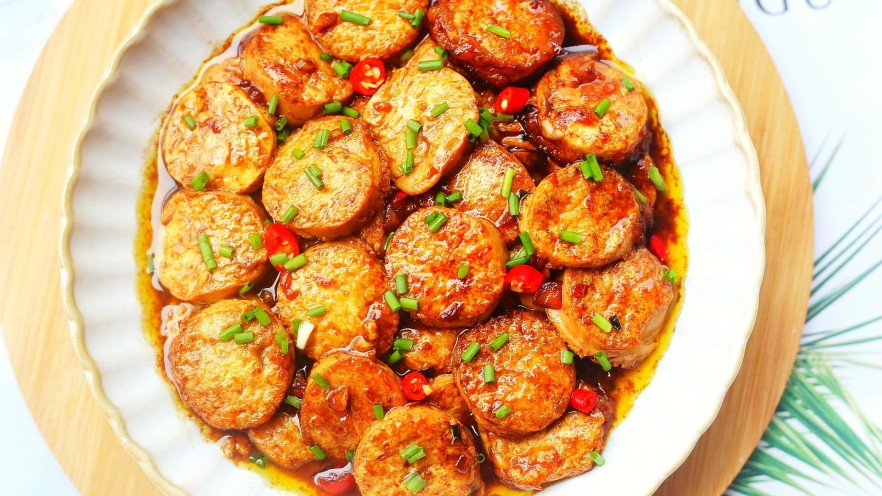


Golden Phoenix Tail Shrimp: My Obsession with This Crispy Nanjing Classic
Okay, let’s get real—when I first heard “Golden Phoenix Tail Shrimp,” I pictured something fancy-pants restaurant dish that’s impossible to make at home. But boy, was I wrong! This traditional Jinling (Nanjing) recipe is not only stunning to look at (hello, red tails, white shrimp, and that golden crust) but surprisingly doable for home cooks. I’ve made it three times this month already, and my roommate still begs for it. Let’s dive in—no fancy tools, no weird ingredients (well, almost), just pure crispy, savory goodness.

What Even Is Golden Phoenix Tail Shrimp? (Spoiler: It’s Not Just Pretty)
First off, let’s clear the air: this isn’t your average fried shrimp. Originating from Nanjing, it’s a staple of Jinling cuisine—think delicate flavors, vibrant colors, and textures that make your taste buds do a happy dance. The name comes from the shrimp’s shape: when you leave the tail shell on, it looks like a phoenix’s tail (hence “Phoenix Tail”). The “golden” part? That’s the crispy breadcrumb crust that fries up to a perfect golden hue. Oh, and the green peas? They’re not just for show—they add a fresh, sweet crunch that balances out the richness. Total game-changer.
Why This Dish Is Worth Your Time (Even If You’re a Beginner)
Let’s be honest: I’m not a pro chef. I burn toast sometimes. But this recipe? It’s foolproof if you follow a few simple steps. Here’s why I’m obsessed:
- It’s visually stunning. Perfect for dinner parties, Instagram, or just making yourself feel fancy on a Tuesday.
- The texture combo is unreal: crispy breadcrumb crust + tender, juicy shrimp + crunchy green peas. Yum.
- It’s customizable! Don’t have vanilla extract? Skip it. Don’t like peas? Use broccoli florets. No judgment.
Let’s Gather the Goods: Ingredients You Actually Need
Okay, let’s talk ingredients. No weird stuff here—most of this is probably in your pantry already. I’ve listed the exact amounts I use (for 9 shrimp, which is perfect for 2 people):
Ingredient List (No Fancy Extras!)
- 9 black tiger shrimp (trust me, the size matters—bigger = juicier)
- Freshly ground black pepper (not the pre-ground stuff—trust me)
- Sea salt (a little goes a long way—black tiger shrimp are salty!)
- Mirin (Japanese sweet rice wine—you can find it at Asian markets or Amazon; if not, substitute with a splash of honey + soy sauce)
- 1 large egg
- A few drops of apple cider vinegar (weird, but it makes the egg wash stick better—promise)
- A few drops of vanilla extract (homemade is best, but store-bought works too—adds a subtle sweetness)
- Cornstarch (for that extra crispy crust)
- Breadcrumbs (homemade is way better—store-bought can be soggy)
- Peanut oil (for frying—has a high smoke point, so no burnt oil taste)
- Green peas (fresh or frozen—for color and crunch)
Pro tip: Don’t skip the cornstarch! It’s the secret to that ultra-crispy crust that stays crunchy even after 10 minutes (unlike some sad breadcrumb-only coatings). And about the black tiger shrimp: I always buy them peeled but with the tail shell on. Peeling them yourself is a pain, and leaving the tail on is non-negotiable for the “phoenix tail” look.
Step-by-Step: Let’s Make This Magic Happen
Okay, let’s get cooking! I’ve broken this down into super simple steps—no confusing jargon, I promise. Let’s start with the breadcrumbs (this is the most tedious part, but worth it).
Step 1: Prep the Breadcrumbs (Homemade = No Soggy Disasters)
Store-bought breadcrumbs are the enemy here. They’re usually too fine or have preservatives that make them soggy when fried. So let’s make our own!
- Take a few slices of stale bread (white or whole wheat—white is more traditional, but whole wheat adds nuttiness). I usually use leftover sandwich bread that’s a day old.
- Toast the bread in the oven at 350°F (175°C) for 5-7 minutes until it’s dry and crumbly. Don’t burn it—we want golden, not charred.
- Let the toasted bread cool for 2 minutes, then put it in a plastic bag. Use a rolling pin to crush it into fine crumbs. No rolling pin? Use a can of beans or a wine bottle—improvise, people!


See? Easy peasy. And way better than store-bought. Trust me on this.
Step 2: Prep the Shrimp (Don’t Skip the Pat-Dry!)
This is the most important step for juicy shrimp. If your shrimp are wet, they’ll steam instead of fry, and the crust will fall off. No one wants that.
- Take your black tiger shrimp (peeled, tail on) and remove the vein. How? Just make a small slit along the back with a knife, then pull out the dark vein. Easy.
- Rinse the shrimp under cold water, then pat them thoroughly dry with paper towels. I mean, really dry—like, squeeze out every drop. This is non-negotiable.

Pro tip: If you’re short on time, you can buy pre-veined shrimp. But they’re usually more expensive, and peeling them yourself is kind of therapeutic (weird, I know).
Step 3: Marinate the Shrimp (Flavor = Everything)
Now, let’s make these shrimp taste like something. The marinade is simple, but it makes a huge difference.
- Put the dry shrimp in a bowl. Add a few grinds of fresh black pepper (I use a pepper grinder—fresh is way better than pre-ground).
- Add a tiny pinch of sea salt. Remember: black tiger shrimp are naturally salty, so don’t overdo it. I usually use about 1/8 teaspoon for 9 shrimp.
- Add 1 tablespoon of mirin. If you don’t have mirin, substitute with 1 teaspoon honey + 1 teaspoon low-sodium soy sauce. Stir everything together.
- Let the shrimp marinate for 20 minutes. Don’t skip this—20 minutes is enough to let the flavors sink in without making the shrimp mushy.


While the shrimp marinate, let’s make the egg wash!
Step 4: Make the Egg Wash (Secret Trick: Apple Cider Vinegar)
The egg wash is what makes the breadcrumbs stick to the shrimp. And here’s my secret: a few drops of apple cider vinegar. It breaks down the egg proteins a little, so the crust sticks better. Genius, right?
- Crack 1 large egg into a bowl. Add 2-3 drops of apple cider vinegar. Stir it up.
- Add 1 drop of vanilla extract (homemade is best, but store-bought works). The vanilla adds a subtle sweetness that balances out the savory shrimp. Don’t worry—it won’t taste like cake, I promise.
- Whisk the egg until it’s smooth. No lumps allowed!


Pro tip: If you don’t have vanilla extract, skip it. It’s a nice touch, but not essential. The vinegar is the real hero here.
Step 5: Coat the Shrimp (Three Layers = Perfect Crust)
Okay, this is the fun part. We’re going to coat the shrimp in three layers: cornstarch, egg wash, breadcrumbs. This is the secret to that ultra-crispy crust that stays crunchy even after 10 minutes.
- First, put the cornstarch in a shallow dish. Take a marinated shrimp and dip it in the cornstarch, coating it evenly. Shake off the excess.
- Next, dip the shrimp in the egg wash. Make sure every part is covered (except the tail—we want that red to show!). Let the excess egg drip off.
- Finally, dip the shrimp in the breadcrumbs. Press the breadcrumbs onto the shrimp to make sure they stick. Don’t be shy—you want a thick, even coating.


Pro tip: Work one shrimp at a time. If you coat all the shrimp at once, the cornstarch will get soggy, and the crust will fall off. Patience, grasshopper.
Step 6: Fry the Shrimp (Don’t Overcrowd the Pan!)
Frying is the final step, and it’s where most people mess up. But if you follow these rules, you’ll get perfect golden shrimp every time.
- Heat 2 inches of peanut oil in a deep skillet or Dutch oven over medium heat. Use a thermometer to check the temperature—you want it to be 350°F (175°C). If it’s too hot, the breadcrumbs will burn before the shrimp is cooked. If it’s too cold, the crust will be soggy.
- Once the oil is hot, carefully add the shrimp to the pan. Don’t overcrowd the pan! Cook 3-4 shrimp at a time. Overcrowding lowers the oil temperature, which makes the shrimp soggy.
- Fry the shrimp for 2-3 minutes per side, until they’re golden brown and crispy. The shrimp will float to the top when they’re done—trust the float test!
- Use a slotted spoon to remove the shrimp from the oil, and place them on a plate lined with paper towels to drain. Repeat with the remaining shrimp.


Pro tip: If you don’t have a thermometer, test the oil with a drop of breadcrumb. If it sizzles and turns golden in 10 seconds, it’s ready.
Step 7: Assemble and Serve (The Pretty Part!)
Now, let’s make this look like a restaurant dish. Here’s how I do it:
- Boil some green peas until they’re tender-crisp (about 2 minutes). Drain them and set aside.
- Arrange the fried shrimp on a plate, with the red tails facing out (like a fan—super pretty!).
- Sprinkle the green peas around the shrimp for color and crunch.
- Optional: Serve with a side of tartar sauce or lemon wedges. I usually just squeeze a little lemon over the shrimp—fresh lemon brightens up the flavor so much.

And that’s it! You’re done. Now, take a bite and prepare to be blown away. The crust is crispy, the shrimp is juicy, and the peas add a fresh crunch. *Chef’s kiss*.
My Mistakes (So You Don’t Have To)
Let’s be real—no one gets it right on the first try. Here are my biggest fails so you can avoid them:
- Not patting the shrimp dry. My first batch was soggy and the crust fell off. Never again.
- Overcrowding the pan. I tried to fry all 9 shrimp at once, and they turned out greasy and sad. Learn from my mistake—cook in batches.
- Using pre-ground pepper. Freshly ground pepper has way more flavor. Trust me.
Another thing: if you don’t have black tiger shrimp, you can use regular shrimp. But black tiger shrimp are bigger and juicier, so they’re worth the extra cost. I usually buy them frozen—they’re just as good as fresh, and cheaper.
Why This Dish Is a Staple in My Kitchen
Okay, let’s wrap this up. I’ve made this dish for my roommate, my mom, and my best friend, and everyone has loved it. It’s easy, it’s impressive, and it’s delicious. Here’s why I’ll keep making it:
- It’s affordable. A pound of black tiger shrimp costs about $10, and the rest of the ingredients are cheap.
- It’s quick. From start to finish, it takes about 45 minutes (most of that is marinating time).
- It’s versatile. You can serve it as an appetizer, a main course, or even a snack. My roommate eats it straight from the plate like it’s popcorn.
So, what are you waiting for? Go grab some shrimp and make this! I promise you won’t regret it. And if you do make it, tag me on Instagram— I’d love to see your creations. Happy cooking!


