
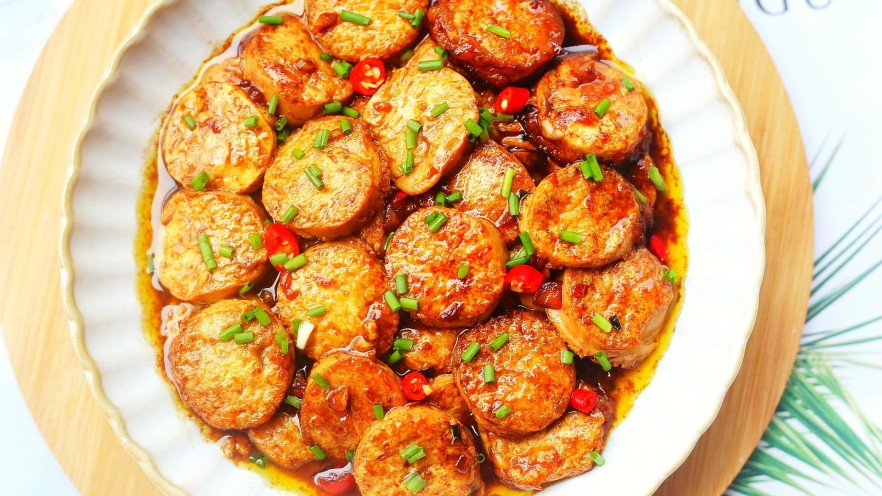


What is Big Pot Dish (Da Guo Cai)?
If you’ve ever been to a Chinese family gathering or festival, chances are you’ve smelled the irresistible aroma of Big Pot Dish (Da Guo Cai). This beloved Hebei province specialty is like a warm hug in a bowl—hearty, flavorful, and packed with comforting ingredients. Also known as “sweet potato noodle stew,” it’s the ultimate crowd-pleaser, perfect for cold winter days or celebratory feasts.
What makes Big Pot Dish so special? It’s all about the harmony of simple ingredients coming together. Imagine tender pork belly, soft sweet potato noodles, crisp cabbage, and savory meatballs simmered in a rich, umami broth. The magic happens as each ingredient absorbs the flavors of the others, creating a dish that’s greater than the sum of its parts. Trust me, one bite and you’ll be reaching for seconds!
Ingredients You’ll Need
Don’t worry—you won’t need any fancy or hard-to-find ingredients for this recipe. Here’s what you’ll need to gather:
- 200g sweet potato noodles
- 6-8 large Napa cabbage leaves
- 300g pork belly (the star of the show!)
- 10-15 meatballs (store-bought or homemade)
- 20 dried shiitake mushrooms
- 2 medium potatoes
- 2 ripe tomatoes
- 3 stalks of cilantro
- 1 star anise
- 5 rock sugar crystals
- 15g salt (adjust to taste)
- 10g dark soy sauce
- 1 tbsp rice vinegar
- 1 tsp sesame oil
- 2 tbsp peanut oil (or vegetable oil)
Step-by-Step Cooking Instructions
Ready to get cooking? Let’s break it down step by step:
Prep the Ingredients

First, let’s prep the pork belly. Cut it into 1.5cm cubes and place them in a pot of cold water. Bring to a boil to blanch, then rinse with warm water to remove any foam. Pat dry, then marinate with 1 tbsp salt and dark soy sauce for 15 minutes. This step is crucial for flavor—don’t skip it!

Next, soak the dried shiitake mushrooms in warm water until soft. Rinse them thoroughly (they can be sandy!) and squeeze out excess water. Cut each mushroom in half.

For the cabbage: Soak it in salted water for 15 minutes to remove any pesticides, then rinse. Tear the leaves into small pieces by hand—this helps them cook evenly and absorb more flavor. Pro tip: Tear the thick white parts into smaller pieces than the leaves.

Peel the potatoes and cut them into irregular chunks (this is called “rolling cut” in Chinese cooking). Rinse under cold water to remove starch, which prevents them from sticking together.

Cut the sweet potato noodles into manageable lengths (about 15cm) and soak them in warm water until they’re soft but not mushy. Drain and set aside.

Chop the tomatoes into chunks and the cilantro into small pieces. Mix the cilantro with rice vinegar and sesame oil—this will be our finishing touch!
Cook the Dish

Heat peanut oil in a large pot or wok over medium heat. Add the star anise and rock sugar, stirring until the sugar melts and turns golden brown. Be careful not to burn it!

Add the marinated pork belly to the pot and stir-fry until it’s browned on all sides. This gives the meat a beautiful caramelized flavor.

Toss in the potatoes and mushrooms, stir-frying for 2 minutes until they start to soften.

Now add the cabbage and a pinch of salt. Stir-fry over high heat until the cabbage wilts—this should take about 3-4 minutes. The salt helps draw out moisture and speed up the cooking process.

Add the tomato chunks and stir everything together. The tomatoes will add a nice tangy sweetness to the broth.

Pour in enough boiling water to cover all the ingredients, then add the soaked sweet potato noodles. Bring to a boil, then reduce the heat to low, cover, and simmer for 10-15 minutes until the noodles are tender.

Add the meatballs to the pot and continue simmering for another 5 minutes until they’re heated through. Now’s the time to taste the broth—if it’s not salty enough, add a little more salt.

Finally, turn off the heat and stir in the vinegar-cilantro mixture. Give it a good stir and serve hot!
Pro Tips for Perfect Big Pot Dish
- Traditional Big Pot Dish uses fried tofu, but I prefer mushrooms for a lighter flavor. Feel free to substitute!
- The key to balancing flavors is salting twice: once when marinating the pork and once when stir-frying the cabbage. This ensures every bite is flavorful.
- Don’t overcook the noodles—they should be soft but still have a slight chew.
- Customize it! Add other ingredients like kelp, fried tofu, or even ribs if you like.
Why We Love Big Pot Dish
Big Pot Dish isn’t just food—it’s a symbol of family and community. In Hebei, it’s served at weddings, festivals, and New Year’s Eve dinners, bringing everyone together around a single pot. It’s comfort food at its finest, warming both body and soul.
What I love most about it is its simplicity. You don’t need expensive ingredients or fancy techniques—just good, fresh produce and a little patience. The slow simmering allows all the flavors to meld together, creating a dish that’s rich, savory, and utterly satisfying.
So next time you’re craving something hearty and comforting, give this Big Pot Dish recipe a try. I promise it’ll become a new family favorite!


