
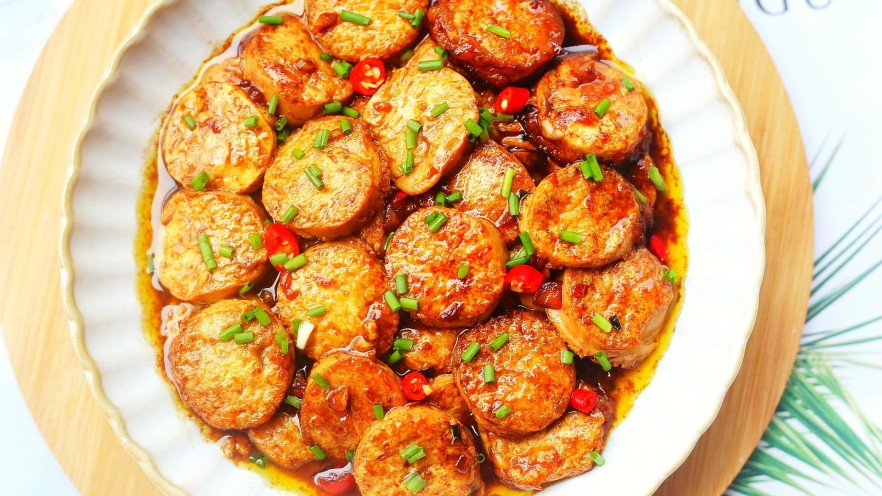


What Is Maoxuewang, Anyway?
Let’s cut to the chase: if you love Sichuan food—think numbing spice, rich umami, and a kick that lingers in the best way—maoxuewang is non-negotiable. Translating roughly to “spicy blood curd,” this classic Sichuan dish is a riot of textures: silky duck blood, chewy tripe, crisp veggies, and savory ham, all swimming in a fiery, aromatic broth. It’s the ultimate comfort food for spice lovers, and while it’s often labeled “heavy,” trust me—one bite and you’ll forget all about that. Plus, making it at home means you control the heat, skip the mystery additives, and pile on your favorite ingredients. Win-win!
Why Make Maoxuewang at Home?
Let’s be real: takeout maoxuewang is great, but sometimes you want to know exactly what’s in your food. Homemade maoxuewang lets you tweak the spice level (no more crying into your rice because the restaurant went overboard), swap veggies to your taste, and use fresh, high-quality ingredients. This easy home recipe skips the fancy restaurant techniques but keeps all the flavor—perfect for weeknights or lazy weekends when you’re craving something indulgent.
Ingredients You’ll Need (Adjustable, of Course!)
First things first: gather your ingredients. The best part? Most of these are easy to find at Asian grocery stores, and you can mix and match veggies based on what’s in your fridge. Here’s the lineup:
- Duck blood curd (this is non-negotiable—it’s the star of the show!)
- Fresh tripe (look for clean, white tripe; avoid anything with a funky smell)
- Cooked ham (I use Chinese-style ham, but regular ham works too)
- Enoki mushrooms (they add a delicate crunch)
- Celery (crisp and fresh—great for balancing the spice)
- Ginger and garlic (aroma powerhouses)
- Dried red chili peppers (for heat and color)
- Doubanjiang (Sichuan broad bean paste—this is the flavor base)
- Hot pot base (a small amount adds depth—use your favorite brand)
- Peanut oil (high smoke point, perfect for stir-frying)
- Salt, chicken bouillon, and black pepper (for seasoning)
- Toasted white sesame seeds (for nuttiness)
- Garlic sprouts or green onions (for a fresh finish)
Pro tip: If you can’t find duck blood, some people use pork blood, but duck blood has a smoother texture that’s worth seeking out. And if tripe isn’t your thing? Swap it for tofu puffs or fish balls—no judgment here!
Step-by-Step: Easy Homemade Maoxuewang
Okay, let’s get cooking! This recipe is straightforward, but timing is key—especially for ingredients like tripe and duck blood, which get rubbery if overcooked. Follow these steps, and you’ll have a restaurant-worthy dish in no time.
Step 1: Prep All Ingredients First

I know, prep work is boring, but trust me—maoxuewang moves fast once the broth is simmering. Chop your ginger and garlic, slice the ham, tear the tripe into big pieces, and wash the veggies. Having everything ready to go will save you from scrambling later.
Step 2: Blanch the Veggies

Fill a pot with water, bring it to a boil, then toss in the celery and enoki mushrooms. Blanch them for about 2 minutes—just enough to soften them slightly but keep their crunch. Why blanch? It removes any bitter flavors and pre-cooks the veggies so they don’t get mushy in the final broth.
Step 3: Drain and Set Veggies Aside

Use a slotted spoon to fish out the blanched veggies, then drain them well. No one wants watery maoxuewang! Transfer them to a large bowl—this bowl will hold all your ingredients at the end, so make sure it’s big enough (think: salad bowl size).
Step 4: Prep the Duck Blood

Duck blood curd is usually sold in blocks, so rinse it gently under cold water, then cut it into 1-inch cubes. Be careful—it’s delicate! Blanch the cubes in boiling water for 1 minute to set the texture and remove any impurities. Drain and set aside.
Step 5: Clean the Tripe (Super Important!)

Tripe can be a bit tricky to clean, but it’s worth it for that chewy texture. Tear it into large, bite-sized pieces, then soak it in cold water for 15-20 minutes, changing the water a few times. This removes any excess stomach acid and grit. Drain well—you don’t want extra water diluting your broth.
Step 6: Cook the Aromatics (The Smell Will Make You Hungry)

Heat a wok or large pot over medium heat, then add a splash of peanut oil. Once the oil is shimmering, toss in the ginger, garlic, and dried red chili peppers. Stir-fry for 30 seconds until fragrant—don’t burn the garlic, or it’ll turn bitter!
Step 7: Build the Flavor Base

Add 2-3 tablespoons of doubanjiang to the pot. Stir-fry it with the aromatics for 1 minute to release its rich, savory flavor. Then, toss in a small chunk of hot pot base (about 2-3 ounces) and stir until it melts into the oil. This combo is what gives maoxuewang its iconic depth—you can adjust the amount based on how spicy you want it.
Step 8: Simmer the Broth

Pour 4-5 cups of water into the pot (or chicken broth, for extra umami) and bring it to a boil. Let it simmer for 5 minutes to let all the flavors meld together. This short simmer makes a huge difference—your broth will taste like it’s been cooking all day.
Step 9: Cook the Main Ingredients (Timing Is Key!)

Now it’s time to add the star ingredients. Remember: cook them in order of how long they take to cook. First, add the duck blood cubes—they need about 2 minutes to heat through. Next, toss in the ham slices (they’re already cooked, so just 1 minute to warm up). Finally, add the tripe—this only needs 30 seconds to 1 minute! Overcooking tripe makes it tough, so don’t leave it in too long.
Step 10: Season the Broth

Add a pinch of salt, a teaspoon of chicken bouillon, and a dash of black pepper to the pot. Stir well to combine. Taste the broth—if it’s not spicy enough, add a few more chili peppers; if it’s too salty, add a splash of water. This is your chance to customize!
Step 11: Assemble the Dish

Use a slotted spoon to transfer all the cooked ingredients (duck blood, ham, tripe) from the pot to the large bowl with the blanched veggies. Arrange them neatly on top—presentation counts! Then, pour the hot broth over everything, making sure all the ingredients are covered.
Step 12: The Magic Final Step (Don’t Skip This!)

Here’s the secret to restaurant-style maoxuewang: the hot oil pour. Heat 2-3 tablespoons of peanut oil in a small pan until it’s smoking hot (you’ll see tiny bubbles). While the oil is hot, sprinkle toasted sesame seeds and extra dried chili peppers over the top of your maoxuewang. Then, carefully pour the hot oil over the seeds and peppers—you’ll hear a satisfying “sizzle!” This step unlocks the aroma of the sesame seeds and chili peppers, taking the flavor to the next level. Trust me—don’t skip it!
Step 13: Garnish and Serve

Finish with a sprinkle of fresh garlic sprouts or green onions for a pop of color and freshness. Grab a bowl of steamed rice, dig in, and enjoy! The combination of silky duck blood, chewy tripe, and crisp veggies in the spicy broth is unbeatable.
Pro Tips for Perfect Maoxuewang Every Time
- **Hot oil is non-negotiable**: That final sizzle isn’t just for show—it amplifies the flavor and aroma. Don’t skip it!
- **Cook ingredients in order**: Duck blood first, then ham, then tripe. Overcooking any of these ruins the texture.
- **Adjust spice to your taste**: If you’re new to Sichuan spice, start with less doubanjiang and hot pot base. You can always add more later.
- **Use fresh ingredients**: Fresh duck blood and tripe make a world of difference. Avoid frozen if you can.
- **Customize veggies**: Swap celery for bok choy, enoki mushrooms for shiitake, or add bean sprouts—whatever you like!
Final Thoughts
Maoxuewang might seem intimidating at first, but this easy home recipe proves it’s totally doable. With a few simple steps and fresh ingredients, you can make a spicy, flavorful dish that’s better than takeout. Whether you’re cooking for yourself, your family, or friends, this maoxuewang will be a hit. So grab your wok, turn up the heat, and get ready to fall in love with Sichuan’s iconic spicy blood curd hot pot. Happy cooking!


