
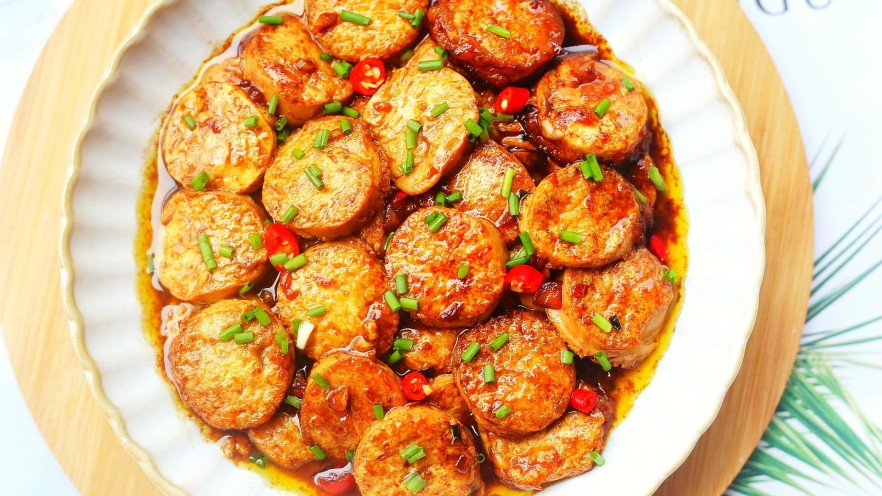


Why Spicy River Snails (Mala Tian Luo) Are a Must-Try Dish
Let’s talk about spicy river snails—aka mala tian luo. If you’ve ever walked through a busy night market in China, you’ve probably smelled these bad boys before. That rich, numbing-spicy aroma hits you from a mile away, and suddenly you’re craving a plate (or three) with a cold beer. But here’s the thing: you don’t have to fly to China to enjoy them. I’m breaking down how to make restaurant-worthy mala tian luo right in your kitchen. Trust me, once you nail this recipe, your friends will be begging you to cook it again.
What Makes River Snails So Great?
First off, river snails aren’t just tasty—they’re surprisingly good for you too. They’re packed with protein (way more than some meats!), low in fat, and loaded with calcium and vitamins. But let’s be real: we’re here for the flavor. That tender, slightly chewy meat soaking up all that spicy, savory sauce? *Chef’s kiss*. The key is getting fresh snails and prepping them right—no gritty bites allowed.
Ingredients You’ll Need for Spicy River Snails
Before we dive in, let’s gather your ingredients. Most of these are easy to find at Asian grocery stores (or even regular supermarkets if you look hard enough). Here’s what you’ll need:
- 1 plate of fresh river snails (about 500g—get them from a trusted fishmonger!)
- 5 small red chili peppers (the ones that pack a punch)
- 1 chunk of fresh ginger (peeled and sliced thin—ginger is non-negotiable for removing fishy smells)
- 8 garlic cloves (crushed or minced—more garlic = more flavor, right?)
- 3 scallions (green parts chopped, white parts sliced for frying)
- 2 tablespoons of doubanjiang (spicy broad bean paste—this is the secret to that deep, umami flavor)
- 1 green line pepper (sliced for extra crunch and color)
- 2 bay leaves (for a hint of earthiness)
- 2 star anise (don’t skip these—they add that classic Chinese spice blend vibe)
- 1 tablespoon of cooking wine (Shaoxing wine is best, but dry white wine works in a pinch)
- 2 tablespoons of light soy sauce (for saltiness and depth)
- 1 tablespoon of oyster sauce (extra umami boost)
- ½ tablespoon of dark soy sauce (for that nice caramel color)
- 1 teaspoon of sugar (to balance out the spiciness and salt)
- 1 teaspoon of salt (taste first—doubanjiang is salty, so adjust as needed)
- Neutral cooking oil (like canola or peanut oil—you need enough to fry the aromatics)
Step-by-Step Guide to Making Spicy River Snails
Okay, let’s get cooking! Follow these steps exactly, and you’ll have perfect mala tian luo in no time. Pro tip: prep all your ingredients first—this recipe moves fast once you start frying.
Step 1: Prep the River Snails (The Most Important Step!)

First things first: river snails have grit and dirt inside them, so you need to get rid of that. Here’s my trick: put the snails in a bowl of clean water, add a few drops of sesame oil, and let them sit for at least 12 hours (I do it overnight). The oil makes them think they’re suffocating, so they’ll spit out all the gunk. Change the water 2-3 times during this time to keep it clean. After soaking, scrub each snail with a brush (a toothbrush works!) to get rid of any dirt on the shell. Rinse them one last time—you’re ready to go.
Step 2: Blanch the Snails to Remove Fishiness

Fill a pot with cold water, add the snails and 1 tablespoon of cooking wine, and bring to a boil. Let them boil for 2-3 minutes—you’ll see foam rise to the top (that’s the yucky fishy stuff). Use a slotted spoon to scoop the snails out and drain them well. Don’t skip this step! It makes a huge difference in how your snails taste.
Step 3: Fry the Aromatics (The Smell Will Make You Hungry)

Now for the fun part: building the flavor base. Heat 3-4 tablespoons of oil in a wok or large skillet over medium heat. Add the sliced ginger, white parts of the scallions, crushed garlic, red chili peppers, bay leaves, and star anise. Fry them for 1-2 minutes until they’re fragrant—you’ll know it when that amazing smell fills your kitchen. Then add the 2 tablespoons of doubanjiang. Stir it constantly for about 30 seconds until the oil turns bright red and the paste starts to bubble. This is where the magic happens!
Step 4: Cook the Snails Until They’re Bursting With Flavor

Add the blanched river snails to the wok. Stir-fry them vigorously for 3 minutes—you want every snail to coat in that spicy sauce. Then pour in the light soy sauce, oyster sauce, and dark soy sauce. Keep stirring for another minute until everything is mixed well. Add the sliced green line pepper, a teaspoon of sugar, and a pinch of salt (taste first—remember, doubanjiang is salty!). Stir-fry for 1 more minute to let the peppers soften a little.
Step 5: Serve and Enjoy!

Transfer your spicy river snails to a big plate, sprinkle with the chopped green scallions, and serve immediately. The best way to eat them? Use a toothpick to pull the meat out of the shell, or just suck it directly (that’s the traditional way!). Pair it with a cold beer or iced tea—you’ll thank me later.
Pro Tips for Perfect Spicy River Snails Every Time
- Don’t rush the soaking step! 12 hours is minimum—24 hours is better if you have time. Gritty snails ruin the whole dish.
- Use fresh doubanjiang. Old doubanjiang can taste bitter, so check the expiration date.
- If you don’t like super spicy food, reduce the number of red chili peppers. But don’t skip them entirely—they add that classic mala kick.
- Don’t overcook the snails! They get rubbery if you cook them too long. 3-4 minutes in the sauce is enough.
Final Thoughts
Making spicy river snails at home is easier than you think. Once you get the hang of the prep, the cooking part is quick and fun. Whether you’re hosting a party or just craving a tasty snack, this recipe is a winner. So grab some snails, fire up your wok, and get cooking—your taste buds will love you.


