
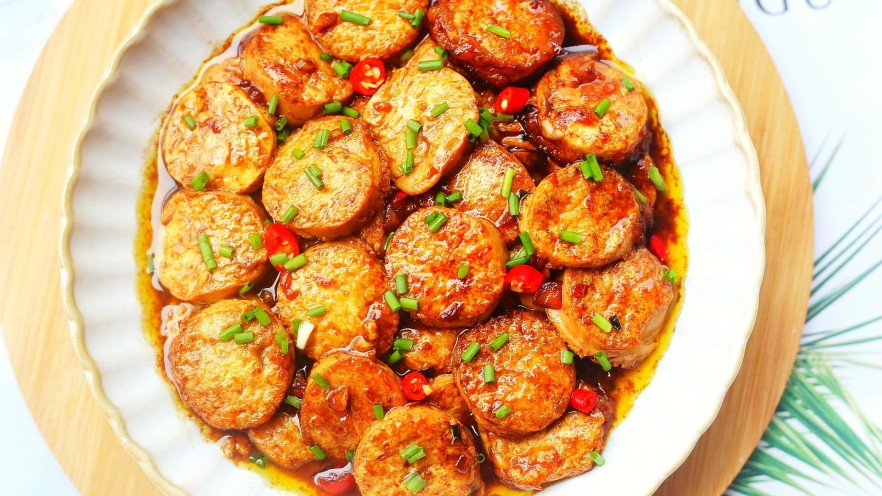


Why This Homemade Spicy Dry Pot Shrimp Beats Restaurant Dishes
Let’s be real—spicy dry pot shrimp is that one dish I always order when eating out. The numbing spice, crispy shrimp, and flavorful veggies? Total comfort food perfection. But lately, I’ve been craving it so much that I decided to nail the recipe at home. And guess what? It’s actually easier than I thought, and the taste? Way better than my go-to restaurant’s version! No more waiting for a table or overpaying—you can whip this up on a weeknight, and trust me, you’ll want extra rice (seriously, don’t skip that part).
What You’ll Need (Ingredients & Tools)
First, let’s talk ingredients. The shrimp is non-negotiable, but the veggies? Customize them to your heart’s content! I love bell peppers, broccoli, and potatoes, but you can use cauliflower, carrots, or even snap peas. Here’s the full list:
- 500g fresh shrimp (peeled and deveined is easier, but you can do it yourself too)
- Your favorite veggies (I used bell peppers, broccoli, and potatoes this time)
- 1 small onion (about 30g, diced)
- 2g Sichuan peppercorns (for that numbing kick)
- 10g doubanjiang (broad bean paste—key for umami)
- 1 small piece of hot pot base (adds depth; use less if you don’t like super spicy)
- 2g cumin powder (for smokiness)
- 10g light soy sauce
- 15g cooking wine (to deodorize the shrimp)
- 8g oyster sauce (extra savory goodness)
- 2g salt (taste first—doubanjiang is salty!) and 2g chicken bouillon
- 2g sesame seeds (for garnish)
- 2g fresh celery (chopped, for crunch)
- Starch (for coating the shrimp)
Tools-wise, you just need a wok or a large skillet (woks are better for high-heat cooking, but a skillet works too) and a slotted spoon for frying.
Step-by-Step Instructions (With Pro Tips!)

Prep First: Get Your Ingredients Ready
Before you start cooking, prep all your ingredients. This is a quick-cooking dish, so you don’t want to be scrambling mid-step. Dice the onion, chop the veggies, mince the garlic and ginger, and measure out all the sauces and spices. Trust me, this saves so much time!

Step 1: Prep the Shrimp (No More Fishy Taste!)
First, devein the shrimp. If you’re using whole shrimp, use a toothpick to pick out the dark vein along the back. Then rinse them well and pat them completely dry with paper towels—dry shrimp = crispy shrimp! Toss the shrimp with a tablespoon of starch until each piece is coated. This helps the shrimp get super crispy when fried.

Step 2: Fry the Shrimp (The Crispy Secret)
Heat oil in a wok to 350°F (about 175°C)—that’s medium-high heat. You’ll know it’s ready when a small piece of bread turns golden in 10 seconds. Carefully add the shrimp (don’t overcrowd the pan—fry in batches if needed) and cook for 3-4 minutes. Stir occasionally so they cook evenly.

Step 3: Remove the Shrimp & Let Them Drain
Fry until the shrimp are golden brown and crispy on the outside. Use a slotted spoon to transfer them to a plate lined with paper towels to drain excess oil. Set them aside—we’ll add them back later!

Step 4: Fry the Veggies (Don’t Overcook Them!)
Use the same oil you fried the shrimp in (it’s flavorful now!). Add your prepped veggies (make sure they’re dry!) and fry for 2-3 minutes until they’re tender but still have a crunch. No one likes mushy veggies, right? Drain them and set aside with the shrimp.

Step 5: Sauté the Aromatics (The Flavor Base)
Leave about 2 tablespoons of oil in the wok. Add the ginger, garlic, Sichuan peppercorns, and dried chili peppers. Sauté over low heat for 30 seconds until fragrant—don’t burn the garlic! Then add the diced onion and chopped celery and stir-fry for another minute until the onion is soft.

Step 6: Add the Sauces & Spices (Umami Boost)
Turn the heat up to medium. Add the doubanjiang and hot pot base. Stir constantly until the hot pot base melts and the oil turns red—this is where the flavor comes from! Cook for 1 minute to release the aroma.

Step 7: Combine Everything (The Fun Part!)
Add the fried shrimp back to the wok and stir-fry for 1 minute to coat them in the sauce. Then add the fried veggies and mix everything together.

Step 8: Season to Perfection
Pour in the light soy sauce, cooking wine, and oyster sauce. Stir well. Then add the cumin powder, salt, and chicken bouillon. Taste and adjust if needed—remember, doubanjiang is salty, so go easy on the salt!

Step 9: Garnish & Serve
Turn off the heat. Sprinkle with sesame seeds and give it one last stir. Transfer to a serving bowl and serve immediately with hot rice. Enjoy the crispy shrimp, spicy sauce, and crunchy veggies—you won’t regret it!
Final Thoughts: Why This Recipe Works
The key to this dish is the crispy shrimp (thanks to the starch coating and high-heat frying) and the layered flavors from the aromatics and sauces. It’s customizable, quick, and way cheaper than eating out. I’ve made this three times in the past month, and each time my family asks for seconds. So grab your ingredients, fire up the wok, and let’s make some spicy dry pot shrimp that beats any restaurant!


