
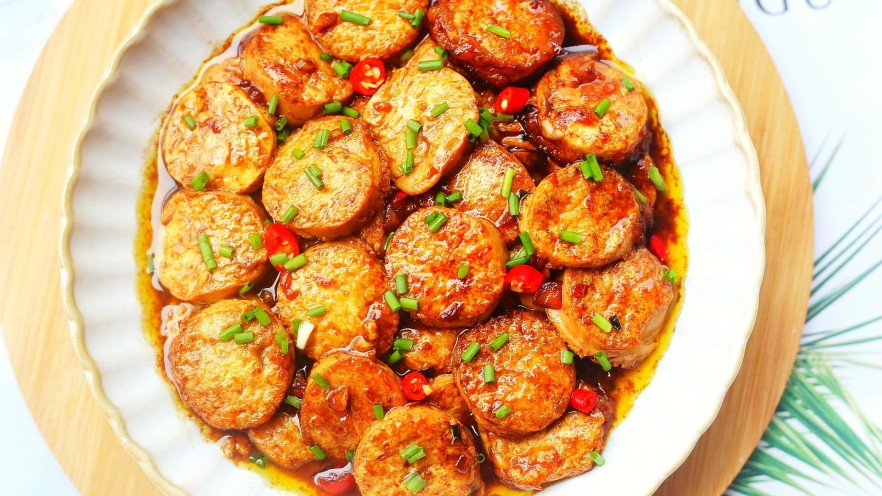


Let’s be real—sometimes the best meals aren’t the fancy, overcomplicated ones that take 3 hours to prep and require 20 specialty ingredients. No, my favorite go-to meals are the ones that use basic pantry staples, taste like a warm hug, and are so easy even I can make them on a weekday morning when I’m still half-asleep. These pan-fried shredded potato pancakes? They check every single box.
If you’ve never had one before, let me introduce you to your new favorite comfort food. Crispy on the outside, soft and savory on the inside, packed with veggies, and versatile enough to eat for breakfast, lunch, dinner, or even a midday snack. Plus, potatoes are total nutritional powerhouses—they’re great for digestion, packed with vitamin C, potassium, and calcium, and work for literally every age group, from picky toddlers to grandparents with sensitive stomachs. What’s not to love?
I’ve been making this recipe for years, tweaking it here and there until I got the perfect balance of crispiness and flavor. No weird additives, no fancy equipment needed—just a good old frying pan and a handful of ingredients you probably already have in your fridge. Let’s dive in!
Ingredients You’ll Need for Shredded Potato Pancakes
First off, let’s talk about what you need to grab from your pantry and fridge. The best part about this recipe is how flexible it is—if you’re missing something, you can almost always swap it out for something else. But for the classic version, here’s what you’ll need:
- 3 medium potatoes (starchy potatoes like Russet work best for crispiness, but any kind will do!)
- 1 small carrot (adds a subtle sweetness and a pop of color, trust me)
- 3 scallions (spring onions, for that fresh, herby kick)
- 3 duck eggs (wait, don’t panic if you don’t have duck eggs! Regular chicken eggs work exactly the same—duck eggs just make the batter a little richer, that’s all)
- 30g all-purpose flour (about 1/4 cup, just enough to hold everything together without making it bready)
- Salt to taste (start with 1/4 tsp and add more if you like it saltier)
- Corn oil for frying (or any neutral oil like canola, avocado, or even sunflower oil works)
See? I told you it was simple. No weird stuff, no trips to the specialty grocery store. I usually have all of these ingredients lying around, which is why this is my go-to when I don’t feel like planning a meal.
Step-by-Step Instructions to Make Perfect Pan-Fried Potato Pancakes
Okay, now we get to the fun part: making the pancakes! I’ve broken this down into super simple steps, so even if you’re a total beginner in the kitchen, you can nail this. I’ve also included photos for each step so you can follow along exactly. Let’s go!
Step 1: Prep all your ingredients first

Let’s start with the easiest step: gather everything you need in one place. There’s nothing worse than being halfway through a recipe and realizing you can’t find your peeler, or you forgot to take the eggs out of the fridge. Lay out all your ingredients, grab your cutting board, peeler, and a big mixing bowl, and you’re ready to go. Pro tip: If you’re making this for a crowd, prep all your veggies ahead of time so you can just whip up the batter when everyone arrives.
Step 2: Shred the carrot super fine

First, peel your carrot, then shred it into the thinnest possible strips. The thinner your shreds, the faster they’ll cook, and the crispier your pancake will be. If you have a box grater, use the smallest holes for this. If you’re feeling fancy, you can use a mandoline, but be careful with those things—I’ve definitely nicked my finger on one before, no fun. If your shreds are too thick, the carrot will be crunchy and undercooked when the rest of the pancake is done, so take an extra minute here to get them as thin as possible.
Step 3: Chop your scallions into small pieces

Next, rinse your scallions well to get rid of any dirt, then chop them into small pieces. I like to use both the white and green parts— the white parts add a mild oniony flavor, and the green parts add that fresh, bright taste. If you don’t like scallions, you can skip them, or swap them for chives, or even a little chopped onion if that’s what you have. No rules here!
Step 4: Shred the potatoes into thin strips

Now for the star of the show: the potatoes! Peel them first, then shred them just like you did the carrot, again making the shreds as thin as you can. Important note: If you’re not using the potatoes right away, soak them in a bowl of cold water to stop them from browning. If you’re making the batter immediately, you can skip that step, but if you’re prepping ahead, definitely do the water soak—nobody wants gray potato pancakes. Also, if you want extra crispy pancakes, squeeze out as much excess water from the potatoes as you can before adding them to the batter. I usually wrap them in a clean kitchen towel and wring it out hard—you’ll be shocked how much water comes out!
Step 5: Crack the eggs into a bowl and add salt

Take a large mixing bowl (trust me, you want a big one so you don’t make a mess when you stir later), crack your eggs into it, then add your salt. Remember, you can always add more salt later, so start small! As I mentioned earlier, if you don’t have duck eggs, regular chicken eggs work exactly the same here—don’t stress about it. I use duck eggs because my neighbor keeps ducks and gives me a dozen every week, but I’ve made this recipe with chicken eggs a hundred times and it’s just as good.
Step 6: Whisk the eggs until fully combined

Grab a whisk (or a fork, if you don’t have a whisk—no judgment) and beat the eggs until the yolks and whites are completely mixed together, and you have a smooth, pale yellow mixture. You don’t need to whip air into them or anything, just make sure there are no streaks of egg white left.
Step 7: Add the flour to the egg mixture

Next, add your 30g of flour to the egg mixture. Don’t add too much flour! That’s a common mistake people make—if you add too much, your pancake will be dense and bready instead of light and crispy. 30g is the perfect amount to hold all the veggies together without overpowering the potato flavor. If you’re gluten-free, you can use gluten-free all-purpose flour here, it works just as well!
Step 8: Stir the flour and eggs until smooth

Stir the flour into the eggs until you have a smooth, lump-free batter. If you have a few small lumps, that’s totally fine, but try to get most of them out so the batter is even. No need to overmix, though—just stir until everything is combined.
Step 9: Add the chopped scallions to the batter

Now throw in your chopped scallions! Give the batter a little stir to distribute them evenly. If you want to add other herbs here, go for it—dill, parsley, even a little cilantro would be delicious. I’ve added garlic powder to this before too, when I was feeling extra garlicky, and it was chef’s kiss.
Step 10: Add the shredded carrot to the batter

Next, add your shredded carrot to the bowl. Stir it around so it’s coated in the batter. If you want to add other veggies here, you totally can! Shredded zucchini, chopped bell pepper, even a little shredded cabbage would be great. This recipe is super customizable, so play around with it.
Step 11: Add the shredded potatoes to the bowl

Now add your shredded potatoes! If you soaked them in water earlier, make sure you drain them really well and squeeze out all the excess water before adding them—extra water will make your pancake soggy, and we don’t want that. Nobody likes a soggy potato pancake.
Step 12: Mix everything together to make the filling

Now it’s time to mix everything together! Use a spoon or a spatula to stir until all the veggies are evenly coated in the batter, and you have a thick, cohesive filling. At this point, you can taste a little bit of the batter (just a tiny bit, since it has raw egg) to see if you need more salt. Add a little more if you want, then stir again.
Step 13: Heat the pan and add the filling

Okay, time to cook! Grab a non-stick frying pan (a cast iron pan works great too, if you have one) and put it on the stove over low heat. Add a little bit of corn oil, just enough to coat the bottom of the pan. Once the oil is warm, pour all your filling into the pan, then use a spatula to spread it out into a thin, even round pancake. Don’t make it too thick! If it’s too thick, the inside will be undercooked when the outside is done. Aim for about 1/2 inch thick, tops. And remember: low heat only! I know it’s tempting to turn the heat up to make it cook faster, but that will burn the outside before the inside is cooked. Trust me, I’ve made that mistake so many times.
Step 14: Add more oil around the edges as it cooks

As the pancake cooks, drizzle a little more oil around the edges of the pan. This helps the edges get crispy and stops it from sticking. I like to gently shake the pan every minute or so to make sure the pancake isn’t sticking. If it’s sticking, add a little more oil, no big deal. This is the part where you can tell it’s starting to get crispy—you’ll see the edges turn golden brown after a few minutes.
Step 15: Flip the pancake and cook the other side

Once the bottom is golden brown and crispy (this usually takes 5-7 minutes, depending on your pan and heat), it’s time to flip! If you’re nervous about flipping a big pancake, you can cut it into quarters first and flip each piece individually, which is way easier. I’ve definitely dropped a whole pancake on the stove before trying to flip it in one go, so no shame in cutting it first. Cook the other side for another 5-7 minutes, until it’s also golden brown and crispy, and the inside is fully cooked. If you’re not sure if it’s done, stick a toothpick in the center—if it comes out clean, it’s ready!
Step 16: Cut into pieces and serve!

Once both sides are golden, take the pancake out of the pan, cut it into small pieces, and dig in! I like to eat mine plain, but you can serve it with sour cream, ketchup, hot sauce, or even a little yogurt dip if you want. It’s delicious no matter what you pair it with. My kids love dipping theirs in ketchup, and my husband likes to put a fried egg on top for breakfast. The options are endless!
Pro Tips for the Best Shredded Potato Pancakes Ever
After making this recipe dozens (okay, hundreds) of times, I’ve picked up a few tricks to make sure it turns out perfect every single time. Here are my top tips:
- Shred your veggies as thin as possible. I know I said this earlier, but it’s worth repeating! Thin shreds cook faster, make the pancake crispier, and ensure you don’t have any crunchy undercooked bits in the middle.
- Always cook on low heat. I can’t stress this enough. High heat will burn the outside before the inside is cooked, leaving you with a burnt, raw pancake. Low and slow is the way to go for that perfect crispy outside and fluffy inside.
- Squeeze excess water out of your potatoes. Potatoes have a lot of moisture in them, and if you don’t squeeze it out, your pancake will be soggy instead of crispy. A clean kitchen towel works best for this—wrap the shredded potatoes up and wring as hard as you can until no more water comes out.
- Customize it to your taste! Don’t like carrots? Leave them out. Want to add some bacon bits or shredded cheese? Go for it. Want to make it spicy? Add a little chili powder or a chopped jalapeno. This recipe is totally flexible, so make it your own.
- If you’re making these for a crowd, you can keep the cooked pancakes warm in the oven at 200°F while you make the rest. That way everyone gets to eat hot, crispy pancakes at the same time.
Frequently Asked Questions About Shredded Potato Pancakes
Can I make these ahead of time?
Absolutely! You can prep the batter the night before, keep it in the fridge, and cook it in the morning. Just give it a good stir before you pour it into the pan, since the veggies might settle at the bottom. You can also freeze cooked pancakes for up to 3 months—just reheat them in the toaster or oven when you want to eat them, and they’ll be almost as good as fresh.
Are these potato pancakes gluten-free?
If you use gluten-free all-purpose flour instead of regular flour, yes! The rest of the ingredients are naturally gluten-free, so it’s a great option for anyone with gluten sensitivities.
Can I make these without eggs?
I haven’t tried it myself, but you can use a flax egg (1 tbsp ground flax mixed with 3 tbsp water) as an egg substitute. It should hold the batter together just fine, though the texture might be a little different. Let me know if you try it!
What can I serve with these pancakes?
They go with literally everything! For breakfast, serve them with eggs, bacon, or avocado. For lunch or dinner, pair them with a salad, soup, or grilled chicken. They’re also great as a snack on their own, or as a side dish for a BBQ or potluck. I’ve even brought them to a picnic before, and they were a huge hit.
At the end of the day, this recipe is all about simplicity and comfort. It’s the kind of meal that makes your house smell amazing while it’s cooking, and it’s so satisfying to make something delicious with just a few basic ingredients. I make these at least once a week, and my family never gets tired of them. Give it a try, I promise you won’t be disappointed!


