
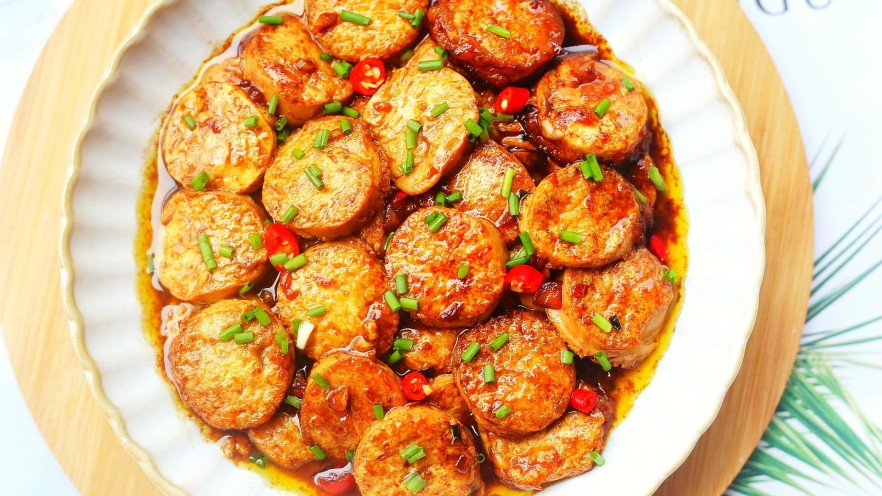


Introduction: Why This Homemade Scallop Paste is a Flavor Revolution
Okay, let’s cut to the chase: I’ve been obsessed with this homemade dry scallop paste recipe ever since I first tasted it. Let me tell you, it’s like finding a secret door to a flavor paradise that’s been hiding in your kitchen this whole time. No joke—my friend once said it’s “10,000 times better than that famous Beijing street snack,” and honestly? I can’t argue. This isn’t just a sauce; it’s a flavor revolution that’ll make your taste buds do a happy dance.
Picture this: you’re staring at a bowl of plain noodles, and then you stir in this thick, glossy, umami-rich paste. Suddenly, your noodles go from “meh” to “holy cow, this is the best thing I’ve ever eaten.” That’s the magic of this scallop paste. And guess what? It’s way easier to make than you think. Plus, you can double the recipe, store it in the fridge for up to a week, and use it for noodles, fried rice, even spread on toast. Trust me, once you’ve got this in your pantry, store-bought sauces will start feeling like a crime against your taste buds.
Ingredients: Let’s Gather What We Need (No Fancy Stuff Required!)
First, let’s list out the star players. Don’t worry, most of these are probably already in your kitchen. Let’s check:
- Dry scallops: 20g (about 10-15 pieces—these are the umami heroes here! The more you use, the richer the flavor, but 20g is perfect for a batch)
- Dried small shrimp: 20g (adds a briny kick that takes the sauce to the next level)
- Rice wine or cooking wine: half a small bowl (soaks the scallops and shrimp to unlock their natural sweetness)
- Garlic: 7-8 cloves (crushed or chopped into tiny pieces—don’t skip this, garlic is the soul of flavor!)
- Onion: half a large onion (diced into similar size as the scallops—even cooking is key)
- Doubanjiang (Sichuan broad bean paste) or douchi (fermented black beans) or Sichuan tofu milk: 20g (this is where the spicy-salty depth comes from! I used a piece of Haishisi tofu, and it was chef’s kiss—you can even use whatever you have in your fridge)
- Oil: 4 tablespoons (neutral oil like canola or peanut works best)
- Sugar: 1 tablespoon (balances the saltiness and makes the flavors sing)
- Soy sauce or fish sauce: 1 tablespoon (fish sauce is a game-changer here for extra umami—if you’re vegetarian, soy sauce is your best bet)
- Red pepper flakes: 10g (optional, but adds a nice heat if you’re into spicy food—adjust to taste!)
- Cooked black sesame seeds: 10g (for a nutty, crispy finish—adds texture too)
Pro tip: This recipe is for about 3 people’s worth of noodles. If you’re feeding a bigger crew, double the ingredients—you’ll thank me later! And remember, the more you make, the more you can use it later (hello, fried rice next week!).
Step-by-Step: How to Make the Magic Happen
Okay, let’s get cooking! This part is where the flavor party starts. Follow these steps carefully, and you’ll have a sauce that’ll make your neighbors knock on your door for the recipe. No, seriously—my roommate once begged me to make a second batch because she “needed it for her instant noodles.”
Step 1: Prep Your Scallops & Shrimp

First, grab those dry scallops and small shrimp. Rinse them under running water to get rid of any dust or grit. It’s quick, but important—you don’t want any yucky stuff in your sauce! Pat them dry with a paper towel once rinsed (optional, but helps them soak better later).
Step 2: Soak for Umami Perfection

Pour the wine (or rice wine) into a bowl and submerge the scallops and shrimp. Let them soak for at least half a day—overnight is even better! This soaking step draws out all the natural flavors, so don’t rush it. I once forgot to soak them for 24 hours and ended up with a bland sauce—total rookie mistake. Soaking is non-negotiable!
Step 3: Drain & Prep the Scallops

After soaking, drain the scallops and shrimp, making sure to squeeze out any excess liquid. Now, take the scallops and crush them with your hands (it’s okay to get messy!). If they’re too big, you can chop them a bit, but crushing is fun and releases more flavor. I once had a friend try to blend them, and it turned into a paste disaster—stick to hand-crushing!
Step 4: Chop the Onion

Peel and dice the onion into small pieces—aim for about the same size as the crushed scallops. This ensures even cooking and a consistent texture. If you’re short on time, you can use a food processor, but chopping by hand gives a better texture.
Step 5: Mince the Garlic

Peel the garlic cloves and mince them (or chop roughly). Again, similar size to the onion pieces—this way, they’ll cook evenly and release their aroma. Pro move: smash the garlic first with the flat side of a knife to make peeling easier!
Step 6: Prep the Spicy/Savory Paste

Now, take your doubanjiang, douchi, or tofu milk—whatever you’re using. I went with a piece of Haishisi tofu (it’s a classic Sichuan-style one), and I chopped it up until it was smooth. The key is to get it into a paste so it mixes well with everything else. If using doubanjiang, you might need to mash it a bit with a spoon—just make sure it’s not too chunky!
Step 7: Heat the Oil (The “Hot Pan, Cool Oil” Trick)

Heat a pan over medium heat, then add the oil. Wait for the oil to get hot (but not smoking!), then turn down the heat to low. This is the “hot pan, cool oil” method to prevent burning. Now, add the onion pieces—this is where the slow-cooking magic starts! Let them cook for 5-7 minutes.
Step 8: Sauté the Onion Until Shrunken & Sweet

Turn the heat down to low and let the onion cook slowly. Stir occasionally until it’s reduced in size and starts to smell sweet—this might take 5-7 minutes. Patience is key here! The onion will caramelize a bit, adding a depth of flavor you can’t get from raw onion. Once it’s golden and soft, move on!
Step 9: Add Garlic for Aromatic Punch

Once the onion is done, add the minced garlic. Stir it in and let it cook for another 2-3 minutes, or until the garlic starts to brown slightly. Oh man, the smell! It’s like garlic perfume in your kitchen—heavenly. Don’t overcook it, though, or it’ll get bitter!
Step 10: Toast the Scallops & Shrimp

Now, add the crushed scallops and dried shrimp. Stir them in and keep the heat low. Let them cook until all the moisture is gone—this might take 5-8 minutes. You want them to be dry and slightly toasted, so the flavors concentrate. If they’re still wet, the sauce will be watery—so don’t rush this step!
Step 11: Stir in the Spicy/Savory Paste

Add your prepared doubanjiang, douchi, or tofu paste. Stir everything together until the paste is well mixed and coats the scallops and shrimp. This is when the color starts to get rich and red—so satisfying to watch! If you’re using a thick paste, add a splash of water to loosen it up a bit.
Step 12: Add Red Pepper Flakes (If You Like Heat)

Next, sprinkle in the red pepper flakes. Stir them in quickly—they’ll add a nice heat, but you can adjust the amount based on your spice tolerance. If you don’t like spicy, skip this step or use less. I once used 15g by accident and had to drink 3 liters of water… lesson learned!
Step 13: Sweeten & Season with Sugar & Sauce

Now, add the sugar and soy sauce (or fish sauce). Stir well—this balances the saltiness and adds a subtle sweetness. The sugar will help the flavors meld together, and the sauce will start to thicken a bit. If using fish sauce, you’ll get an extra boost of umami—total game-changer! Taste as you go—adjust sugar or salt to your liking.
Step 14: Cook Until Everything is Done

Let everything cook for another 2-3 minutes until the sauce is thickened and all the ingredients are fully cooked. You’ll know it’s ready when it has a glossy sheen and smells incredible. Now, add the black sesame seeds—they’ll add a nutty crunch and a pop of color. Stir them in quickly to prevent burning!
Step 15: Final Stir & Serve!

Stir everything together one last time, then turn off the heat. Your homemade scallop paste is ready! Look at that beautiful, glossy sauce—you’re gonna want to taste it right now, I know. Let it cool for 10 minutes before using, and it’ll thicken nicely.
Step 16: Get Creative with Your Sauce!

Now, the fun part: using this sauce! Toss it with noodles (I recommend udon or ramen), spread it on fried rice, or even slather it on toast or grilled meat. The possibilities are endless—let your inner foodie run wild! I once made scallop paste eggs—yes, really. It was life-changing.
Pro Tips & Why This Beats Store-Bought Sauces
Let’s be real: store-bought scallop pastes are okay, but they’re missing that homemade touch. Here’s why this recipe is the best:
- No preservatives: You know exactly what goes into it—no weird additives or artificial flavors. It’s just pure, honest ingredients!
- Extra umami: Dry scallops and shrimp already have tons of natural umami, so you don’t need extra seafood sauce or oyster sauce. Trust me, the flavors are already there!
- Customizable: Add more chili if you’re spicy, less sugar if you’re not into sweet, or swap tofu for doubanjiang. It’s your sauce, make it your way!
- Long-lasting: Store in an airtight container in the fridge for up to a week. No waste, just deliciousness!
- Freeze-friendly: If you want to save more, double the recipe and freeze in small containers. Thaw before using, and it’ll still taste amazing!
Pro warning: Make sure to store it in the fridge, and let it sit for 10 minutes before using—this helps the flavors blend even more. And if you’re a cooking enthusiast, you’ll want to make a big batch—your friends will beg for the recipe. I’ve given jars as gifts, and they always come back for more!
Final Thoughts: Let’s Make This Magic Together
Okay, let’s wrap this up. This homemade dry scallop paste isn’t just a recipe—it’s a flavor adventure. Whether you’re a noodle lover, a fried rice fanatic, or just someone who wants to level up their home cooking, this sauce is your ticket to flavor town. So grab your ingredients, follow the steps, and don’t forget to share the love (and the sauce) with others. Trust me, once you taste it, you’ll wonder how you ever lived without it.
I first tried this recipe after my friend (shoutout to you, Lin!) made it for me, and I’ve been obsessed ever since. It’s not just about the taste—it’s about the memories and the joy of creating something special. So go ahead, make a batch, and let your taste buds thank you later. Happy cooking, and enjoy every spoonful!


