
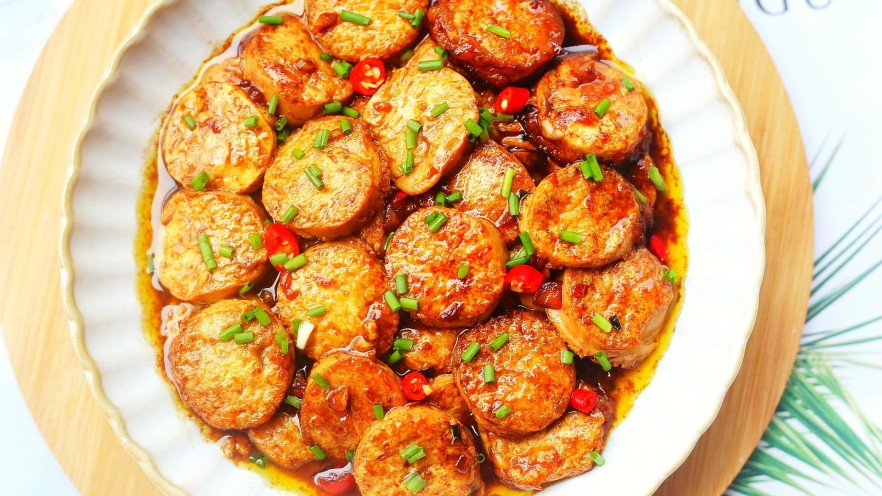


# Radish Shreds with Small Mixed Fish: A Taste of Jiangnan’s Winter Comfort
Let me tell you something—there’s nothing like a steaming bowl of radish shreds with small mixed fish on a freezing winter day. It’s not just a dish; it’s a tradition, a hug in a pot, and a reminder of my grandma’s kitchen in the Jiangnan region. If you’ve never tasted Jiangnan cuisine, let me paint you a picture: fertile rice fields, slow-flowing rivers, and in winter, the sound of villagers gathering to drain fish ponds. That’s where this simple yet magical dish comes to life.
## Origin Story: How This Dish Became a Winter Staple
Every year, when the first cold winds hit Jiangnan, the fish ponds start to empty. You’d see whole families wading in muddy water, pulling nets heavy with silver and gold—grass carp, silver carp, crucian carp, and those tiny, lively ones called white bait. It’s like a festival, right? Everyone gets a share, and suddenly every home has a mountain of fresh fish.
That’s when my grandma would start this radish shreds fish dish. She’d say, “Why buy fancy dishes when you can turn fresh fish and a garden radish into a warm feast?” Back then, we didn’t have fancy restaurants—just the basics: oil, salt, and a cast-iron pan. And oh man, that pan would sizzle with fish and radish, filling the house with that unbeatable smell that makes you run to the kitchen even when you’re full.
What I love most about this dish is how versatile it is. You don’t need a fancy kitchen—just a fresh catch, a knife, and a desire to cozy up. Plus, the leftover broth? It turns into this amazing gelatinous fish jelly overnight. I still remember waking up to find a layer of wobbly, salty-sweet goodness at the bottom of the pot. Cold, it’s like eating a jiggly dessert, but hot? It’s pure comfort.
## What You’ll Need: Ingredients for This Cozy Dish
Let’s break down the essentials. You don’t need to go to a gourmet market—just fresh ingredients from your local market or a fishmonger.
- Small mixed fish: 1 bowl (about 500g). Think fresh crucian carp, white bait, and maybe some small catfish. If you can’t find “small mixed,” just grab whatever small river fish are available—they all work!
- White radish: 300g (about 1 medium-sized radish). Pick one that’s firm, not woody. The fresher the radish, the sweeter the shreds.
- Aromatics: Ginger, garlic, and scallions (green and white parts). Don’t skimp on the scallions—they’re the final touch!
- Seasonings: 1 tbsp cooking oil, 2g salt (adjust to taste), 2g sugar (to balance the salt), 1 tbsp light soy sauce, 1 tbsp dark soy sauce, 1 tbsp cooking wine, and optional chili for spice.
Pro tip: If you’re using frozen fish, let them thaw completely before cooking. Fresh is best, but frozen works too—just pat them dry extra well to avoid splattering.
## Step-by-Step Cooking Guide: From Fish Prep to Pot to Plate
Okay, let’s get into the nitty-gritty. This is where the magic happens. I’ll walk you through each step like we’re cooking together in my grandma’s kitchen.
### Cleaning the Fish: The Tricky First Step

First up: killing and cleaning the fish. Now, I know this might sound intimidating, especially if you’re not used to handling small fish. Let me warn you—it’s a bit of a hassle, especially in winter when your hands are freezing! But trust me, once you get the hang of it, it’s easy.
Here’s how: Use a sharp knife to cut off the heads (no need to keep them unless you’re making stock). Then, gently gut the fish by making a small slit along the belly and pulling out the innards. Rinse them thoroughly under cold water and pat dry with paper towels. The drier they are, the less they’ll stick to the pan later.
### Prep the Radish and Scallions

Next, prep the star of the veggies: the radish. Peel the radish with a vegetable peeler—no need to be too careful, just get rid of the outer skin. Then rinse it, and slice it into thin strips about 1 inch long. I know, “about 1 inch” sounds vague, but trust me—thicker strips are better! Thin radish shreds can turn too salty when cooked, so aim for around 0.5 cm thick.
Then, wash the scallions (green and white parts) and chop them into small pieces. Save a few green bits for garnish at the end—they make the dish look prettier!
### Cooking the Fish: The Secret to Crispy Skin

Now, heat your pan over medium heat and add 1 tbsp of cooking oil. The trick here is to use “cold oil first, then heat.” That way, the fish won’t stick. Just swirl the oil around to coat the pan evenly.

Once the oil is shimmering, carefully place the small fish into the pan. Try not to overcrowd the pan—if there are too many fish, cook them in batches. Let them sit undisturbed for 1-2 minutes. You’ll know they’re ready to flip (if you’re using a non-stick pan) or they’ll start to crisp up on the bottom.

Here’s a pro tip: If you don’t have a non-stick pan, don’t even try to flip the fish! They’re small and delicate, and flipping might break their skin or shape. Just cook them on one side until golden brown—about 3 minutes on low heat. It’ll still be crispy and delicious, promise.
### Adding the Radish and Seasonings

After the fish is crispy on one side, it’s time to add the radish shreds. Gently toss them into the pan with the fish. The radish will start to release moisture immediately—this is good because it will create a creamy, flavorful base for the broth.

If you like a bit of heat, this is the time to add chili! I usually add a spoonful of chili paste or a few fresh chili slices. The heat complements the fish’s natural sweetness perfectly.
### Simmering to Perfection: The Flavor-Building Step

Now, add all the seasonings: salt, sugar, light soy sauce, dark soy sauce, and cooking wine. Stir them gently to coat everything. Then pour in water until it’s about halfway up the fish. Cover the pan with a lid and turn the heat to high to bring it to a boil.

Once it’s boiling, reduce the heat to medium-low and let it simmer for 15-20 minutes. The goal is to let the fish cook through and the radish to soften, creating a rich, thick broth. You’ll know it’s done when the broth has reduced and looks glossy.
### Finishing Touches: The Scallion Sprinkle

Before serving, chop the remaining scallions into tiny bits (both green and white parts work). Save a little of the green for garnish—you’ll need it!

Once the broth is thick and the fish is tender, turn off the heat and sprinkle the chopped scallions over the top. The heat from the dish will make the scallions fragrant and brighten up the color.
### Pro Tip: The Fish Jelly Leftover Surprise

This is the best part! Let the dish cool for 1-2 hours, and the leftover broth will set into a jiggly, savory jelly. When you reheat it the next day, the jelly will melt back into the broth, giving it a creamy texture. So don’t rush to clean the pot—your future self will thank you!
## Why This Dish Works: Tips to Avoid Common Mistakes
Cooking small fish can be tricky, but here are a few tricks to make sure yours turns out perfect:
– **Fresh fish = better flavor:** If possible, buy fish the same day you cook them. Stale fish will taste “fishy” and ruin the dish.
– **Don’t over-salt the radish:** Thin shreds absorb salt quickly, so add just enough salt and let the radish’s natural sweetness balance it.
– **Pat fish dry:** Moisture on the fish will make it stick to the pan. Always dry with paper towels before cooking!
– **Adjust heat carefully:** If you use too high heat, the fish will burn on the outside before cooking through. Medium-low is your friend.
## Final Thoughts: A Dish That Warms Both Body and Soul
Radish shreds with small mixed fish isn’t just a recipe—it’s a piece of Jiangnan’s winter soul. It’s simple, affordable, and made with love. Whether you’re cooking for your family on a cold day or just want to treat yourself to something cozy, this dish hits the spot.
So grab some fresh fish, a radish from the market, and that cast-iron pan your grandma gave you. Let the aroma fill your kitchen, and enjoy every bite. And when you’re done, don’t forget to save some broth for the next day—your fish jelly surprise is waiting!


