
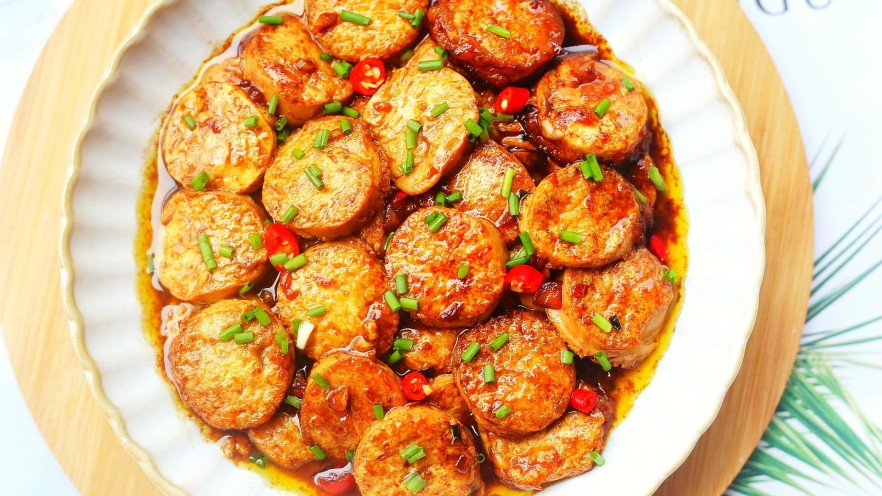


Pork and Chive Potstickers: Crispy, Juicy, and Way Better Than Takeout!
Okay, let’s be real—who hasn’t stared at a takeout menu at 7 PM, craving something crispy, savory, and just a little indulgent? For me, it’s always potstickers. But here’s the thing: takeout potstickers can be hit or miss. Sometimes they’re soggy, sometimes the filling is bland, and let’s not even talk about the price per piece (hello, wallet drain!). So I decided to stop settling and figure out how to make restaurant-worthy pork and chive potstickers at home. Spoiler: They’re easier than you think, and way more delicious than any store-bought or takeout version. Let’s dive in!

Why Pork and Chive Potstickers? Let’s Break It Down
First off, let’s gush about the star combo: pork and chives. It’s a classic for a reason! The fatty pork (trust me, half-fatty is non-negotiable here) stays juicy, while the chives add a bright, fresh kick that cuts through the richness. Plus, potstickers are the perfect middle ground between dumplings and fried snacks—crispy on the bottom, soft and chewy on top, and bursting with flavor in every bite. They’re also way simpler to make than you might assume. No fancy tools, no complicated folding techniques (okay, maybe a little folding, but I’ll walk you through it!).
What You’ll Need: Ingredients That Actually Make Sense
Let’s get to the good stuff—no weird, hard-to-find ingredients here. I’ve listed everything you need, with measurements that work for a big batch (because who wants to make just 10 potstickers?)
- 500g dumpling wrappers (store-bought is totally fine—no need to make your own unless you’re feeling fancy!)
- 500g half-fatty pork (ground or chopped—we’ll turn it into mince later)
- 200g chives (trimmed and washed—no old, wilted stuff!)
- 1 egg (binds the filling and adds moisture)
- 10g green onions (chopped—for flavor and garnish)
- 10g garlic (crushed—don’t skimp on the garlic!)
- 10g ginger (sliced—fresh ginger is way better than powdered)
- 1 tbsp oyster sauce (adds umami depth)
- 2 tbsp soy sauce (use a good one—light soy works best here)
- ½ tsp Sichuan peppercorn powder (adds a subtle, warm kick)
- ½ tsp chicken bouillon powder (optional, but boosts flavor)
- 1 tsp salt (adjust to taste—start with less, you can always add more)
- Enough cooking oil (for frying—neutral oil like canola or peanut works)
- Chopped green onions (for garnish)
- Black sesame seeds (for that pretty, nutty finish)
Pro Tip: Don’t Skip the Half-Fatty Pork!
Seriously, I’ve made the mistake of using lean pork before, and it’s a disaster. Lean pork = dry, tough filling. Half-fatty pork = juicy, melt-in-your-mouth goodness. Trust me on this—your taste buds will thank you.
Step-by-Step: How to Make Pork and Chive Potstickers Like a Pro
Okay, let’s get cooking! I’ve broken this down into easy-to-follow steps, with no jargon. Even if you’re a beginner, you’ve got this.

Step 1: Prep Your Ingredients (The Most Important Part!)
First things first—chop, wash, and measure everything. I like to call this “mise en place” (fancy chef talk for getting all your ingredients ready before you start cooking). It makes the whole process way less stressful. Here’s what to do:
- Wash the pork (if it’s not pre-ground) and cut it into small chunks. If it’s pre-ground, skip this step—lucky you!
- Trim the tough ends off the chives and chop them into fine pieces. Don’t chop them too small, though—you want a little texture.
- Chop the green onions into small bits, crush the garlic, and slice the ginger. Easy peasy.

Step 2: Make the Filling (The Flavor Heartbeat)
This is where the magic happens—well, almost. Let’s turn our ingredients into a delicious filling that’ll make your potstickers sing.

First, put the pork chunks, green onions, garlic, and ginger into a food processor. If you don’t have a food processor, you can chop everything by hand—just be patient! Process until it’s a smooth (but not too smooth) mince. You want a little texture, not a paste.

Transfer the mince to a big bowl. Now it’s time to add the flavor boosters! Crack in the egg, then add the oyster sauce, soy sauce, Sichuan peppercorn powder, chicken bouillon powder, and salt. Now here’s a key step: stir the mixture in one direction (clockwise or counterclockwise—just pick one and stick with it) until it’s sticky and “whips” a little. This is called “beating the filling,” and it makes the pork juicy and tender. If you skip this, your filling will be dense and dry—no thank you!


Once the filling is sticky, add the chopped chives. Stir gently to combine—don’t overmix, or the chives will get mushy. Your filling is now ready! See? That wasn’t so hard.


Step 3: Wrap Those Potstickers (No Fancy Folding Required!)
Okay, wrapping time! I know some people get intimidated by dumpling folding, but potstickers are forgiving. Here’s the simple way to do it:
- Take a dumpling wrapper (keep the rest covered with a damp cloth so they don’t dry out—trust me, dry wrappers are the enemy).
- Put a spoonful of filling in the center of the wrapper. Don’t overstuff it—you want enough filling to taste, but not so much that it bursts when you cook it. I usually use about 1 tbsp of filling per wrapper.
- Wet the edges of the wrapper with a little water (use your finger or a brush—whatever works). Fold the wrapper in half to make a semicircle.
- Pinch the middle of the semicircle to seal it. Then, fold a few pleats on one side and press to seal. Wait, pleats? Don’t worry—they don’t have to be perfect! I’m terrible at pleats, and my potstickers still turn out amazing. The key is to seal them tight so the filling doesn’t leak out.


Keep wrapping until you run out of filling or wrappers. I usually make a big batch and freeze the extras—they’re perfect for a quick snack later!

Step 4: Cook the Potstickers (Crispy Bottom = Happy Tummy)
Now for the fun part—cooking! This is where we get that crispy, golden bottom that makes potstickers so addictive. Here’s how:

- Heat a non-stick pan (or a cast-iron skillet—cast iron is great for crispy bottoms) over medium heat. Add enough oil to coat the bottom of the pan (about 1 tbsp).
- Arrange the potstickers in the pan, flat side down. Don’t overcrowd them—leave a little space between each one. If you have too many, cook them in batches.
- Fry for 2-3 minutes, or until the bottom is golden brown and crispy. You’ll smell it when it’s ready—trust your nose!
- Add a small bowl of water (about ¼ cup) to the pan. The water will steam the potstickers, cooking the top and making the filling hot and juicy. Immediately cover the pan with a lid.
- Let the potstickers steam for 5-7 minutes, or until the water is gone. You’ll hear the pan start to sizzle again when the water is dry— that’s your cue!
- Turn off the heat. Sprinkle with chopped green onions and black sesame seeds. Boom—done!


My Honest Thoughts: Are These Better Than Takeout?
Let’s cut to the chase: YES. These potstickers are way better than any takeout I’ve ever had. The filling is juicy, the bottom is crispy, and the chives add a fresh, bright flavor that takeout potstickers usually lack. Plus, I know exactly what’s in them—no weird preservatives or mystery ingredients. And let’s not forget the cost: a batch of these costs about $10, while takeout potstickers can be $15 for half the amount. Win-win!
Pro Tips for Perfect Potstickers Every Time
Before you go, let me share a few tips that I’ve learned the hard way:
- Don’t overstuff the wrappers! I’ve had potstickers burst open while cooking, and it’s a mess. Stick to 1 tbsp of filling per wrapper.
- Keep the wrappers covered with a damp cloth. Dry wrappers will crack when you fold them, and no one wants a cracked potsticker.
- Use half-fatty pork. I know I said this already, but it’s so important. Lean pork = dry filling.
- Freeze the extras! Uncooked potstickers freeze really well. Just put them on a baking sheet, freeze for 1 hour, then transfer to a freezer bag. They’ll keep for up to 3 months. When you want to cook them, just fry them from frozen (add a little extra water for steaming).
Okay, I think that’s it! Go make some potstickers—your taste buds (and your wallet) will thank you. Let me know how it goes in the comments (if you’re reading this on my blog, that is!). I’d love to see your crispy creations!


