
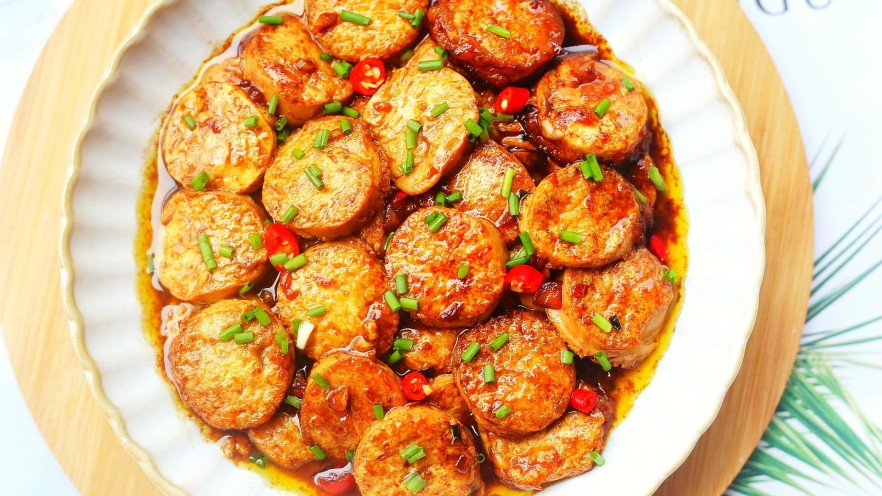


Authentic Chinese Braised Chicken Recipe (Huang Men Ji) – My Go-To Comfort Food
Okay, let’s be real: I’ve tried *so* many “authentic” Chinese braised chicken recipes online, and most of them left me underwhelmed. Either the sauce was too bland, the chicken was tough, or they skipped the *secret* steps that make this dish sing. But today? I’m sharing the recipe that changed my life—my take on Huang Men Ji (which translates to “braised chicken” in Mandarin, but let’s be honest, the English name doesn’t do it justice). This is the kind of meal that makes you go, “Wait, did I just make a restaurant-quality dish at home?!” Spoiler: Yes. Yes, you did.

What Is Huang Men Ji, Anyway?
First off, let’s clear the air: Huang Men Ji (or “braised chicken” as it’s often called in English) is *not* just “chicken with sauce.” It’s a classic Northern Chinese comfort food that’s all about layers of flavor—sweet, savory, umami, with a hint of heat. It’s usually made with chicken thighs (for that juicy, tender meat), mushrooms (for earthiness), and green peppers (for a fresh crunch). And let’s not forget the *star* of the show: the thick, glossy sauce that clings to every piece of chicken and veggie. Yum.
Why This Recipe Works (And Why Others Don’t)
I’ve messed up this recipe *so* many times before I got it right. Here’s the tea: most recipes skip the caramelization step (hello, depth of flavor!) or use chicken breasts (which get dry as a bone). This one? We’re using thighs, caramelizing the sugar properly, and simmering low and slow. Trust me—your taste buds will thank you.
Ingredients You’ll Need (No Fancy Stuff, Promise)
Let’s break down what you need. No weird “exotic” ingredients here—you can find all of this at your local grocery store (or Asian market, if you want to go extra authentic).
For the Braised Chicken:
- 2 chicken thighs (bone-in, skin-on—*trust me* on the skin; it adds so much flavor)
- 10 dried shiitake mushrooms (soaked in warm water for 30 mins until soft)
- 1 green bell pepper (seeded and cut into strips)
- 3 slices ginger (peeled)
- 2 dried red chilies (adjust for heat—1 if you hate spice, 3 if you love it)
- 30g rock sugar (or brown sugar, but rock sugar gives a better caramel)
- 1 tbsp Chinese cooking wine (or dry sherry if you can’t find it)
- 1 tbsp light soy sauce (for saltiness and umami)
- ½ tbsp dark soy sauce (for color—*don’t skip this!*)
- Salt (to taste)
- 1 tsp white pepper (not black pepper—trust me)
- Water (enough to cover the chicken)
- Cooking oil (neutral oil like canola or peanut)
Pro tip: Soak the mushrooms first! If you skip this, they’ll be tough and chewy. I usually soak mine while I prep the chicken—perfect timing.
Step-by-Step: How to Make Huang Men Ji Like a Pro
Okay, let’s get cooking! I’m going to walk you through every step—no shortcuts, no confusion. Let’s go.

Step 1: Prep *Everything* First (Mise en Place, Baby)
This is non-negotiable. Chinese cooking is all about “stir-fry rhythm”—if you’re fumbling for ingredients mid-cook, you’ll mess up the caramelization or overcook the chicken. So:
- Chop the chicken thighs into bite-sized pieces (leave the skin on—seriously, it’s crispy when seared)
- Boil the chicken pieces in a pot of water for 5 mins to remove blood (this is called “blanching”—it keeps the sauce clear and not murky)
- Rinse the blanched chicken with cold water and pat dry with paper towels (dry chicken = crispy skin when searing)
- Chop the green pepper into strips (seeded—unless you love heat)
- Slice the soaked mushrooms (discard the stems—they’re tough)
- Slice the ginger into thin pieces
- Chop the dried red chilies into small pieces (remove seeds if you don’t want too much heat)
See? All prepped. Now you can focus on cooking without panicking.

Step 2: Caramelize the Sugar (This Is the *Secret*)
Okay, this step is *make or break*. If you burn the sugar, the whole dish will taste bitter. If you don’t caramelize it enough, it’ll be bland. Here’s how to do it right:
- Heat a pot (preferably a clay pot or Dutch oven—they retain heat better) with 2 tbsp cooking oil
- Add the rock sugar and turn the heat to low
- Stir constantly with a wooden spoon until the sugar melts and turns a *deep amber color* (like honey, not burnt)
Pro tip: Don’t walk away! Sugar burns fast. I usually set a timer for 2 mins—just enough time to melt and caramelize.

Step 3: Sear the Chicken (Crispy Skin = Happy Taste Buds)
Once the sugar is caramelized, add the chicken pieces (skin-side down first!) and stir-fry for 3-4 mins until the skin is crispy and golden brown. You want every piece coated in that caramel sauce—this is what gives the chicken that deep, sweet flavor.

Step 4: Add Aromatics (Ginger, Chilies, and Flavor Boost)
Add the ginger slices and chopped red chilies to the pot. Stir-fry for 1 min until fragrant (you’ll smell that warm, spicy aroma—*chef’s kiss*). Don’t burn the ginger—if it turns black, it’ll taste bitter.

Step 5: Deglaze with Wine (Remove Stuck-On Bits)
Pour in the Chinese cooking wine and scrape the bottom of the pot with a wooden spoon. This “deglazes” the pot—lifting all those browned bits (called fond) that are packed with flavor. Stir for 1 min until the wine reduces a little.

Step 6: Add Soy Sauces (Salt + Color)
Now add the light soy sauce (for saltiness and umami) and dark soy sauce (for that deep, rich color). Stir well to coat everything. *Don’t skip the dark soy sauce*—it’s what makes the chicken look like it came from a restaurant, not a microwave.


Step 7: Toss and Coat (Every Piece Gets Love)
Stir the chicken for 2-3 mins until every piece is coated in that glossy sauce. You’ll start to see the sauce thicken a little—this is a good sign.

Step 8: Add Mushrooms (Earthiness = Balance)
Toss in the sliced shiitake mushrooms and stir-fry for 1 min. Mushrooms absorb flavor like sponges, so they’ll soak up all that delicious sauce. Yum.

Step 9: Simmer (Low and Slow = Tender Chicken)
Pour in enough water to cover the chicken (about 2 cups). Bring to a boil, then turn the heat to low, cover the pot, and simmer for 15-20 mins. This is when the magic happens—the chicken gets tender, the mushrooms get juicy, and the sauce gets thicker.

Step 10: Add White Pepper (Secret Umami Boost)
After 15 mins, add the white pepper and stir. White pepper has a milder, earthier flavor than black pepper—perfect for this dish. Don’t overdo it (1 tsp is enough) or it’ll taste like a pepper mill exploded.

Step 11: Cook Until Tender (Check the Chicken!)
Keep simmering for another 5 mins (total 20 mins) until the chicken is *fall-off-the-bone tender*. If you can easily pierce it with a fork, it’s done. Pro tip: Don’t overcook it—chicken thighs are forgiving, but they’ll get mushy if you simmer too long.

Step 12: Add Green Peppers (Fresh Crunch = Balance)
Add the green pepper strips and stir-fry for 2-3 mins until they’re *just* tender (but still have a little crunch). You don’t want mushy peppers—they should add a fresh contrast to the soft chicken and mushrooms.

Step 13: Season with Salt (Taste, Taste, Taste!)
Taste the sauce and add salt if needed. Remember: the soy sauces already add salt, so go easy. I usually add ¼ tsp at a time until it’s perfect—salty, sweet, and umami.

Step 14: Thicken the Sauce (Glossy = Restaurant-Worthy)
Turn the heat to high and stir constantly for 2-3 mins until the sauce thickens and coats the back of a spoon (if you run a spoon through the sauce, it should leave a trail). This is what makes the dish look *so* good—glossy, sticky, and full of flavor.

My Pro Tips for Perfect Huang Men Ji Every Time
Let’s be real—no recipe is perfect on the first try. Here are my hacks to make sure you nail it every time:
1. Use Bone-In, Skin-On Chicken Thighs
Chicken breasts get dry. Chicken thighs? Juicy, tender, and full of flavor. The skin adds crunch and fat, which makes the sauce taste better. Trust me—don’t skip the skin.
2. Don’t Burn the Sugar
This is the #1 mistake people make. If the sugar turns black, throw it out and start over. It’ll make the whole dish taste bitter. Aim for a deep amber color—like honey.
3. Simmer Low and Slow
Fast cooking = tough chicken. Slow simmering = tender, juicy chicken. I use a clay pot because it retains heat better, but a Dutch oven works too. Just don’t rush it.
4. Taste as You Go
Everyone’s taste buds are different! I like my sauce a little sweeter, so I add an extra 5g of sugar. My friend likes it saltier, so she adds more soy sauce. Taste and adjust—no rules here.
How I Serve This Dish (And Why It’s My Go-To)
I usually serve this with steamed white rice (duh—you need something to soak up that sauce!). Sometimes I add a side of stir-fried bok choy for extra veggies. But honestly? I’ve eaten this for lunch *and* dinner in the same day (no judgment). It’s that good.
Last week, I made this for my roommate, and she said, “Wait, did you order takeout? This tastes better than the Chinese restaurant down the street!” I was like, “Nope—homemade, baby.” That’s the win we all need.
Final Thoughts (No Boring Summary, Promise)
Look, I’m not a professional chef. I’m just a girl who loves food and hates bad recipes. This Huang Men Ji recipe is the result of *years* of trial and error (and a lot of burnt sugar). But now? It’s my go-to comfort food—warm, flavorful, and easy enough to make on a weeknight.
Try it this weekend! Let me know how it turns out (tag me on Instagram if you post a pic—@foodie_jess). And if you mess up the sugar? No big deal—just try again. I’ve been there. Trust me, the end result is worth it.


