
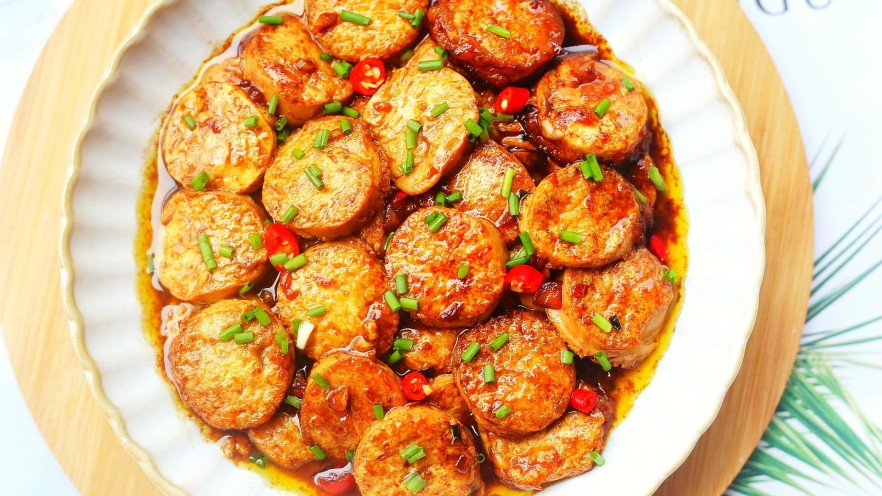


Easy Vegetarian Steamed Dumplings (Shao Mai) Recipe: Fluffy Wrappers & Crisp Veggie Filling
Okay, let’s be real—who doesn’t love a good steamed dumpling? But when I say good, I mean really good. The kind where the wrapper is so thin it’s almost translucent, yet still chewy (not rubbery!), and the filling is so fresh it tastes like you just picked the veggies from a garden. That’s exactly what these vegetarian shao mai (or “steamed dumplings,” if you’re not into the fancy name) are. I’ve been obsessed with making these lately—they’re perfect for weekend brunches, lazy weeknight dinners, or even meal prep (hello, grab-and-go lunches!). Let’s dive in, shall we?

Why This Vegetarian Shao Mai Recipe Works (And Why You’ll Love It)
First off, let’s get one thing straight: I’m not a fancy chef. I’m the kind of person who burns toast if I look away for 2 seconds. But this recipe? It’s foolproof. No weird ingredients, no complicated techniques—just simple steps that result in something that tastes like it came from a high-end dim sum spot. Here’s why it’s my new go-to:
- Fluffy, chewy wrappers: We’re using high-gluten flour and hot water (yes, hot water—trust me on this!) to get that perfect texture. No more tough, dry wrappers!
- Crisp, flavorful filling: Zucchini, carrot, and green bell pepper give it that fresh crunch, while scrambled eggs add a little protein and creaminess. No boring veggie fillings here!
- Super easy to make: The steps are straightforward, and even the “fancy” folding part is simpler than it looks. I promise you won’t end up with a pile of messy dumplings (okay, maybe one or two, but who’s counting?)
What You’ll Need for This Vegetarian Shao Mai Recipe
Let’s gather our ingredients! You don’t need anything fancy—most of this stuff is probably already in your kitchen. Here’s the breakdown:
For the Wrappers
- 200g high-gluten flour (this is key for that chewy texture—all-purpose works too, but high-gluten is better)
- Hot water (not boiling! Just hot enough to melt the flour a little—think “steaming” hot)
For the Filling
- ½ zucchini (shredded or diced small—shredded is easier to mix, but diced adds crunch)
- 20g carrot (grated or diced—grated is better for even distribution)
- ½ green bell pepper (diced small—remove the seeds and ribs first, unless you like extra heat)
- 2 eggs (beaten)
- 2 tbsp vegetable oil (neutral oil like canola or sunflower works best)
- 2 tsp salt (adjust to taste—start with 1.5 tsp if you’re not sure)
- A splash of light soy sauce (adds depth—don’t skip this!)
Step-by-Step: How to Make Vegetarian Shao Mai
Alright, let’s get cooking! I’ll walk you through each step with tips to make sure everything turns out perfect. Spoiler: The hardest part is waiting for the dough to rest (but trust me, it’s worth it).
Step 1: Prep Your Ingredients (No Cutting Corners Here!)
First things first—measure out your flour and get all your veggies prepped. I like to dice the zucchini, carrot, and bell pepper into small, uniform pieces (about ¼-inch). If they’re too big, they’ll be hard to fold into the wrapper, and if they’re too small, they’ll get mushy when steamed. Pro tip: Shred the zucchini if you want a softer texture, but diced is my favorite for crunch.

Step 2: Make the Dough (Hot Water = Fluffy Wrappers)
Okay, let’s make the dough! This is where the hot water comes in. Here’s what to do:
- Put the high-gluten flour in a large bowl (or on a clean countertop, if you’re feeling fancy).
- Make a small well in the center of the flour (like a little volcano).
- Slowly pour the hot water into the well—start with a little, then add more as needed. Use a pair of chopsticks (or a wooden spoon) to mix the flour and water until it forms a “snowflake” texture (basically, no dry flour left).
- Once it’s a shaggy dough, use your hands to knead it into a smooth ball. It might be a little sticky at first, but don’t add more flour—just keep kneading for 1-2 minutes until it’s smooth and elastic.
Pro tip: The dough should be warm and slightly sticky, but not so sticky that it sticks to your hands. If it’s too sticky, add a tiny bit more flour. If it’s too dry, add a splash more hot water.

Step 3: Let the Dough Rest (Patience Is a Virtue—And It Pays Off)
Cover the dough with a damp cloth or plastic wrap and let it rest for 20 minutes. This is crucial! Resting the dough makes it easier to roll out (no more cracking!) and gives it that chewy texture. While it’s resting, you can make the filling—perfect timing, right?

Step 4: Make the Filling (Fresh = Flavorful)
Now for the fun part—the filling! Let’s make it step by step:
- Crack the eggs into a bowl, add a pinch of salt, and beat them until they’re smooth.
- Heat 1 tbsp of vegetable oil in a non-stick pan over medium-low heat. Pour in the eggs and use a spatula to scramble them into small, crumbly pieces. Don’t overcook them—you want them soft and fluffy, not rubbery.
- Transfer the scrambled eggs to a large bowl. Add the diced zucchini, carrot, and bell pepper to the bowl.
- Add the remaining 1 tbsp of vegetable oil, salt, and a splash of soy sauce. Mix everything together until it’s well combined.
Pro tip: Don’t add the salt until right before you’re ready to fill the dumplings! Salt draws out moisture from the veggies, and you don’t want a soggy filling. If you’re making the filling ahead of time, skip the salt until you’re ready to use it.


Step 5: Roll Out the Wrappers (Thin = Chewy, Not Tough)
Okay, the dough has rested—time to roll it out! Here’s how:
- Take the rested dough and knead it for 1 minute to make it smooth again.
- Roll the dough into a long, thin log (about 1.5 inches thick). Cut the log into 12-15 equal pieces (these are your “dough balls”).
- Flatten each dough ball into a small circle (about 2 inches wide) with the palm of your hand.
- Use a rolling pin to roll each circle into a thin wrapper—about 4-5 inches wide, with a slightly thicker center (this is important! The thicker center will hold the filling without breaking).
Pro tip: If the dough is sticking to your rolling pin or countertop, dust a little flour on it. But don’t use too much—too much flour will make the wrappers tough. Also, rotate the dough as you roll it to get a round shape (no lopsided wrappers here!)


Step 6: Fill and Fold the Shao Mai (This Is Easier Than It Looks!)
Alright, let’s fill and fold! This is the part that looks fancy, but it’s actually super simple. Here’s how:
- Take a wrapper and place it in the palm of your left hand (if you’re right-handed—swap if you’re left-handed).
- Scoop about 1 tbsp of filling into the center of the wrapper (don’t overfill it—you want to leave enough room to fold the edges).
- Use your right hand to fold the edges of the wrapper up around the filling, pinching them together to make small pleats. As you fold, use your left thumb to push the filling down into the wrapper (this will help you fit more filling without breaking the wrapper).
- Keep folding and pleating until the wrapper is mostly closed (but not all the way—shao mai are supposed to be open at the top!).
- Give the dumpling a little twist at the top to seal it (optional, but it looks nicer).
Pro tip: Don’t worry if your pleats aren’t perfect! Mine are always a little messy, but they still taste amazing. The key is to make sure the wrapper is sealed tightly around the filling so it doesn’t fall apart when steaming.


Step 7: Steam the Shao Mai (Fresh = Fluffy)
Almost done! Now we just need to steam them. Here’s how:
- Line a steamer basket with a damp cheesecloth or cabbage leaves (this will prevent the dumplings from sticking).
- Arrange the dumplings in the steamer basket, leaving a little space between each one (they’ll expand a little when steaming).
- Bring a pot of water to a boil (make sure the steamer basket is above the water—don’t let it touch the water!).
- Place the steamer basket over the boiling water, cover it with a lid, and steam for 10 minutes.
Pro tip: Don’t open the lid while steaming! Opening the lid lets the steam out, and your dumplings will be tough and chewy. Wait until the 10 minutes are up before peeking.


Step 8: Enjoy Your Homemade Vegetarian Shao Mai!
After 10 minutes, your dumplings are done! Carefully remove the steamer basket from the pot (it’s hot—use oven mitts!). Serve them immediately—they’re best when they’re hot and fresh. I like to dip mine in a little soy sauce or chili oil, but they’re delicious on their own too.


Pro Tips for Perfect Vegetarian Shao Mai Every Time
Let me share a few more tips to make sure your dumplings turn out amazing every single time:
- Use high-gluten flour: This is the secret to chewy, fluffy wrappers. All-purpose flour works, but high-gluten is better (it has more protein, which gives the dough elasticity).
- Don’t overfill the dumplings: I know it’s tempting to stuff them with as much filling as possible, but overfilling will make them break apart when steaming. Stick to 1 tbsp of filling per wrapper.
- Steam immediately after folding: If you let the dumplings sit for too long before steaming, the wrappers will dry out and become tough. Fold them, then steam them right away.
- Freeze leftovers: If you have extra dumplings, freeze them on a baking sheet (so they don’t stick together) then transfer them to a freezer bag. They’ll keep for up to 3 months. To reheat, steam them for 12-15 minutes (no need to thaw).
Why This Recipe Is My New Obsession
Okay, let’s be honest—making dumplings can be a little time-consuming, but this recipe is worth every minute. The wrappers are so thin and chewy, and the filling is so fresh and flavorful. I’ve made these for my friends, my family, and even my picky little cousin (who hates veggies), and everyone loves them. They’re perfect for brunch, dinner, or even a snack. And the best part? They’re healthy! No deep-frying, no added sugar—just fresh veggies and a little protein from the eggs.
I’ve tried a lot of dumpling recipes over the years, but this one is by far my favorite. It’s simple, it’s delicious, and it’s foolproof. Even if you’re a beginner, you can make these. Trust me—if I can do it, anyone can.
So what are you waiting for? Grab your flour, your veggies, and let’s make some dumplings! I promise you won’t regret it. And if you do make them, tag me on Instagram—I’d love to see your creations! (Okay, fine, I don’t actually have an Instagram, but just imagine I do. 😉)


