
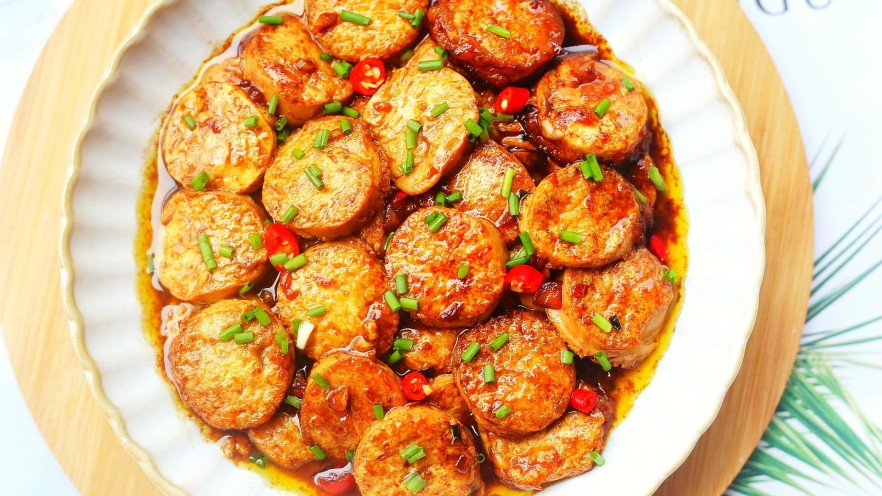


Authentic Sichuan Mapo Tofu Recipe: Spicy, Numbing, and Irresistibly Delicious
Okay, let’s be real—if you’ve ever walked past a Sichuan restaurant or scrolled through food TikTok, you’ve definitely seen Mapo Tofu. That glistening, spicy-sweet tofu swimming in a rich sauce, dotted with Sichuan peppercorns that make your tongue tingle? Yeah, that’s the one. I’ve been obsessed with this dish for years, but I always thought it was too “restaurant-only” to make at home. Spoiler: It’s not! Today, I’m breaking down my go-to recipe that’s so easy, even my roommate (who burns toast) can pull it off. Let’s dive in!

What’s the Big Deal with Mapo Tofu?
First off, let’s get the backstory straight (because who doesn’t love a good food legend?). Mapo Tofu was invented in the late 1800s by a woman named Liu, who ran a tiny restaurant in Chengdu, China. Locals called her “Chen Ma Po” (meaning “pockmarked Chen wife”) because of her facial scars, and her tofu dish stuck with that name. Now, it’s one of the most famous Sichuan dishes worldwide—famous for its four key flavors: ma (numbing from Sichuan peppercorns), la (spicy from chili), xiang (aromatic), and nen (tender tofu). If you haven’t experienced that tingly “ma” sensation, you’re in for a wild ride—it’s not just spicy, it’s a full sensory experience.
Why This Recipe Works for Home Cooks
I’ve tried so many Mapo Tofu recipes that call for 10+ obscure ingredients, but this one uses stuff you can find at your local grocery store (or Amazon, if you’re like me and forget to shop). No fancy Sichuan fermented beans or hard-to-find pastes—just the basics, but done right. Plus, the step-by-step is so clear, even a beginner can nail the texture (that’s the tricky part, trust me).
Ingredients You’ll Need (No Fancy Stuff, Promise)
Let’s list out everything you need. I’ve split it into “must-haves” and “nice-to-haves” so you don’t stress if you’re missing something. But honestly, all of these are pretty easy to find:
- 2 blocks of tofu (more on which type later—don’t skip this!)
- 1 green onion (split into white and green parts—important for layering flavor)
- 80g ground pork (or ground turkey if you’re feeling healthy—no judgment)
- 1 tablespoon doubanjiang (Sichuan chili bean paste—this is the flavor base! Don’t substitute with regular chili paste)
- A pinch of MSG (yes, MSG! It’s not the devil—restaurants use it for that umami pop. If you’re anti-MSG, skip it, but the flavor won’t be as deep)
- 1 tablespoon light soy sauce (not dark soy—we want color, not overpowering salt)
- 4g Sichuan peppercorns (toast these first! Game-changer for that numbing flavor)
- 3 garlic cloves (minced—fresh is better than pre-minced, trust me)
- 3 tablespoons cornstarch mixed with 3 tablespoons water (this is our starch slurry for thickening)
Tofu: The Most Important Decision You’ll Make Today
Okay, let’s talk tofu. There are so many types—silken, soft, firm, extra-firm. Which one is right for Mapo Tofu? Here’s the tea:
- Silken tofu: Super soft, melts in your mouth. Great if you love that jiggly texture, but it’s easy to break when cooking.
- Soft tofu: My personal favorite! It holds its shape a little better than silken but still has that tender bite. Perfect for beginners.
- Firm/extra-firm: More sturdy, but can be chewy if overcooked. Skip these unless you’re a pro.
So go for silken or soft—your taste buds will thank you.
Step-by-Step: How to Make Mapo Tofu Like a Pro
Alright, let’s get cooking! I’ve broken this into 11 easy steps (yes, 11—don’t panic, most are super quick). Let’s go:

Step 1: Prep the Tofu (The Most Important Prep Step)
First, rinse your tofu under cold water. Then, cut it into small cubes—about 1-inch (2.5cm) squares. Here’s a pro tip: If you’re using silken tofu, be extra gentle! I like to use a sharp knife and cut it while it’s still in the package to avoid breaking. Once cut, set it aside on a paper towel to drain a little—excess water will make the sauce watery later.

Step 2: Prep All Your Ingredients (Mise en Place = No Stress)
Okay, let’s get everything ready before we turn on the stove. This is called “mise en place” (fancy chef talk for “prep everything first”), and it’s non-negotiable for Mapo Tofu. Here’s what to do:
- Separate the green onion into white parts (for frying) and green parts (for garnish).
- Mince the garlic.
- Toast the Sichuan peppercorns in a dry pan for 30 seconds (until fragrant). Then, crush them with a mortar and pestle or a rolling pin—don’t grind them into powder, we want a little texture.
- Mix the cornstarch and water to make your starch slurry (stir it before using—cornstarch settles at the bottom).
Trust me, once the stove is on, you don’t want to be chopping garlic or toasting peppercorns—this dish cooks fast!

Step 3: Fry the Aromatics (This Is Where the Flavor Starts)
Heat a tablespoon of oil in a pan over medium heat. Add the crushed Sichuan peppercorns and green onion whites. Fry for 30 seconds—don’t burn the onion whites! They’ll turn golden and fragrant, and that’s when you know it’s time to move on. This step is crucial for that “ma” (numbing) flavor—don’t skip toasting the peppercorns!

Step 4: Cook the Ground Pork
Add the ground pork to the pan. Use a spatula to break it up into small crumbles. Cook until it’s no longer pink—this should take about 2-3 minutes. If there’s excess fat, you can drain it (but I usually leave it in for extra flavor—sorry, not sorry).

Step 5: Add the Star Ingredient—Doubanjiang
Now, add the doubanjiang (Sichuan chili bean paste) to the pan. Stir it well with the pork and aromatics—this is what gives Mapo Tofu its signature red color and deep, spicy flavor. Fry it for 1 minute to release the oils—you’ll smell the chili and fermented beans, and it’ll look glossy. Yum.

Step 6: Simmer the Sauce (Let the Flavors Meld)
Add a cup (240ml) of water to the pan. Then, stir in the light soy sauce and a pinch of MSG (if using). Bring the mixture to a simmer—don’t boil it too hard, just a gentle bubble. Let it simmer for 2 minutes so all the flavors mix together. Taste it here—if it’s too salty, add a splash more water. If it’s not spicy enough, add a pinch of red pepper flakes (but doubanjiang is usually spicy enough).

Step 7: Add the Tofu (Be Gentle!
Now, it’s time to add the tofu. Gently slide the tofu cubes into the sauce—don’t stir it yet! Let it simmer for 2 minutes so the tofu absorbs some of the flavor. I know it’s tempting to stir, but if you do, the tofu will break into mush. Trust me, I’ve made that mistake before—my first Mapo Tofu looked like a spicy tofu soup, not a dish. Oops.

Step 8: Thicken the Sauce (The Secret to That Glistening Texture)
Now, it’s time to thicken the sauce. Remember that starch slurry we made? Stir it again (cornstarch settles!) and then add it to the pan in three small batches. This is the key to a smooth, glossy sauce—don’t add all of it at once! Stir gently after each batch, using a spatula to fold the sauce around the tofu (still be gentle!). The sauce should thicken into a coating that clings to the tofu—if it’s too thick, add a splash more water. If it’s too thin, add a little more starch slurry.

Step 9: Finish It Off
Turn off the heat. Sprinkle the green onion tops over the top for a pop of color and fresh flavor. That’s it! Your Mapo Tofu is done. See? That wasn’t so hard, right?

Step 10: Admire Your Creation (It Looks So Good!)
Okay, this is a mandatory step. Take a minute to look at your Mapo Tofu—glistening sauce, tender tofu cubes, green onions on top. It looks like it came from a fancy restaurant, but you made it in your kitchen. Be proud! I always take a few photos for my food Instagram (yes, I’m that person) before digging in.

Step 11: Serve and Enjoy (Finally!)
Serve your Mapo Tofu hot over steamed rice—this dish is made for rice. The spicy, numbing sauce soaks into the rice, and the tender tofu is the perfect bite. I usually eat it with a side of pickled vegetables to cut the spice, but that’s optional. Take your first bite—wait for that tingly “ma” sensation to hit your tongue. Mmm, that’s the good stuff.

Pro Tips to Make Your Mapo Tofu Even Better
Now that you know the basics, here are a few extra tips to take your Mapo Tofu from “good” to “restaurant-worthy”:
- Toast the Sichuan peppercorns: This brings out their numbing flavor—don’t skip this! I once forgot to toast them, and the dish was just spicy, not tingly. Big mistake.
- Don’t overcook the tofu: Tofu gets mushy if you cook it too long. Simmer it for 2 minutes max before thickening the sauce.
- Use fresh garlic: Pre-minced garlic has a weaker flavor—fresh garlic makes the aromatics pop.
- Adjust the spice level: If you’re not a fan of super spicy food, use less doubanjiang (or add a little sugar to balance the spice). If you love heat, add a pinch of Sichuan chili oil.
My Honest Thoughts: Is Mapo Tofu Worth Making at Home?
Okay, let’s be real—restaurant Mapo Tofu is amazing, but making it at home has its perks. First, it’s way cheaper—restaurant portions are usually $15+, but you can make this for $5-6. Second, you can adjust the flavor to your taste—if you hate Sichuan peppercorns, you can use less (but why would you?). Third, it’s so satisfying to make something that looks and tastes like a restaurant dish. I’ve made this for friends multiple times, and they always ask for the recipe. Last week, my friend who’s a vegetarian even substituted the pork with crumbled tofu, and it was still delicious!
The only downside? The kitchen might get a little messy (doubanjiang stains, so be careful). But that’s a small price to pay for spicy, numbing tofu heaven.
Final Thoughts: Let’s Chat About Mapo Tofu
So, have you ever tried making Mapo Tofu at home? Did you have a disaster (like my first attempt)? Or do you have a secret ingredient that makes your version better? I’d love to hear about it in the comments (wait, but this is a blog post—pretend you’re leaving a comment below!).
If you try this recipe, tag me on Instagram— I’d love to see your creations! And if you’re new to Sichuan food, this is the perfect dish to start with. It’s spicy, it’s fun, and it’s way easier than you think.
Now, if you’ll excuse me, I’m going to go make another batch of Mapo Tofu. My rice is already steaming, and I’m craving that tingly “ma” sensation. Happy cooking!


