
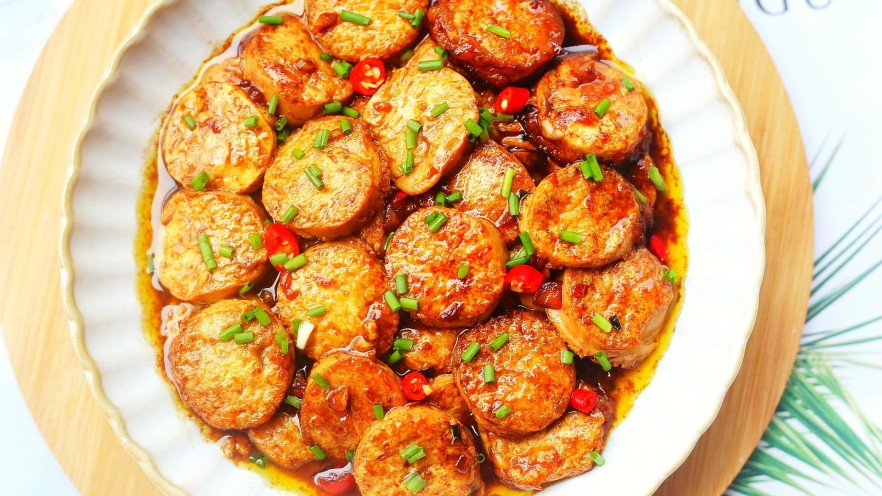


How to Make Authentic Taro Dumplings (Yu Jiao): A Step-by-Step Recipe with Tips
If you’ve never tried taro dumplings (also called yu jiao in Chinese), you’re missing out on a chewy, savory bite of heaven! These dumplings have a unique, pillowy wrapper made from steamed taro and starch, filled with juicy pork and fragrant mushrooms. I’ve spent years perfecting this recipe—no more dry wrappers or bland filling! Today, I’m sharing my exact steps so you can make restaurant-worthy taro dumplings at home.

What You’ll Need (Ingredients Breakdown)
First, let’s talk ingredients. The key to great taro dumplings is balancing the taro-to-starch ratio for the wrapper and seasoning the filling just right. Here’s everything you need:
For the Taro Wrapper
- 500g small taro roots (choose ones that are firm and have no soft spots—fresh taro makes all the difference!)
- 160g sweet potato starch (this adds chewiness)
- 200g tapioca starch (this makes the wrapper tender and slightly translucent)
For the Juicy Pork Filling
- 300g pork shoulder (must be a mix of 70% lean and 30% fat—lean meat alone will make the filling dry!)
- 5-8 dried shiitake mushrooms (soak them in warm water for 30 minutes beforehand)
- 1 tbsp light soy sauce (for umami)
- 2 tbsp oyster sauce (adds depth—don’t skip this!)
- 1 small bunch of scallions (green parts for garnish, white parts for ginger-scallion water)
- 1 small piece of ginger (about 10g)
- 1 tsp chicken powder (optional, but boosts flavor)
- 1/2 tsp white pepper (cuts through the richness)
- Pinch of salt (adjust to taste)
Step-by-Step Instructions to Make Taro Dumplings
Let’s dive into the process! I’ll walk you through each step with photos—no confusion, promise.
Step 1: Prep and Steam the Taro

Start by washing the small taro roots thoroughly. Don’t peel them yet—peeling raw taro can irritate your skin, and steaming with the skin on locks in moisture.

Place the taro in a steamer basket over boiling water. Steam on high heat for 30 minutes. To check if it’s done, poke a taro with a chopstick—if it goes in easily, it’s ready! Turn off the heat and let it cool slightly (but not too much—we need warm taro for the wrapper).
Step 2: Make the Ginger-Scallion Water (Secret to Juicy Filling)

Juicy filling doesn’t happen by accident—it needs ginger-scallion water! Take the white parts of the scallions and the ginger, chop them roughly, then put them in a blender with 4 tbsp of water. Blend until smooth.

Strain the mixture through a fine sieve to get rid of the pulp. You’ll have about 4 tbsp of fragrant ginger-scallion water—this is the magic ingredient that keeps the filling moist!
Step 3: Make the Perfect Pork Filling
Now for the filling. Let’s be real: store-bought ground pork is never as good as homemade. Here’s how to do it right:

Cut the pork shoulder into small chunks, separating the fat from the lean meat. Trust me—don’t grind them together! If you do, the lean meat will turn to mush before the fat is evenly ground.


First, grind the fat chunks in a meat grinder. Pulse a few times until they’re finely ground (but not paste).


Next, add the lean meat to the grinder. Grind it until it’s the same texture as the fat.

Transfer the ground pork to a large bowl. Add 1 tbsp light soy sauce, 2 tbsp oyster sauce, a pinch of salt, 1 tsp chicken powder, and 1/2 tsp white pepper.


Now, slowly pour in the ginger-scallion water, 1 tbsp at a time. After each addition, mix the filling in one direction (clockwise or counterclockwise—pick one and stick with it!) for 1 minute. This helps the meat absorb the water and become juicy.

Remember the soaked shiitake mushrooms? Squeeze out all the water (don’t waste the mushroom water—save it for soup!) and chop them into small pieces.


Add the chopped mushrooms to the pork filling and mix well. Set the filling aside—let the flavors meld while we make the wrapper.
Step 4: Make the Taro Wrapper (The Trickiest Part—But I’ve Got You!)
The wrapper is where most people go wrong. Too much starch = dry, crumbly wrappers. Too little = sticky mess. Follow these steps:

Take the steamed taro (it should still be warm!) and peel off the skin. Be careful—it’s hot! I use a paper towel to hold it so I don’t burn my fingers.


Mash the peeled taro with a fork or potato masher until it’s smooth (no lumps allowed!).

Mix the sweet potato starch and tapioca starch in a bowl. Add the starch mixture to the mashed taro gradually—don’t pour it all in at once! Taro moisture varies, so you might need a little more or less starch.
At first, use a spatula to mix (it’s hot!). Once it cools down enough to touch, knead it with your hands into a smooth dough. The dough should be soft, not sticky, and hold its shape. If it’s too dry, add a tiny bit of hot water. If it’s too sticky, add a pinch more starch.

Cover the dough with a damp cloth or plastic wrap immediately—starch dough dries out fast! If it gets dry, the wrappers will crack when you fold them.
Step 5: Assemble the Taro Dumplings
Now for the fun part—folding! Let’s make cute, bite-sized dumplings:
Take about 15g of dough (the size of a ping-pong ball) and roll it into a smooth ball.

Use your two thumbs to press and rotate the ball into a thin wrapper (about 8cm in diameter). The center should be a little thicker than the edges to prevent breaking when filling.

Put 1 tbsp of filling in the center of the wrapper. Add a tiny bit of chopped scallion (green part) for extra freshness, if you like.

Fold the wrapper in half to make a semicircle. Pinch the edges tightly to seal—no gaps! If the edges don’t stick, dab a little water on them.
For extra cuteness, pinch the edges to make small pleats. This isn’t necessary, but it makes the dumplings look professional!

Place the folded dumplings on a plate dusted with starch to prevent sticking. Keep them covered with a damp cloth until you’re ready to cook.
Step 6: Cook and Serve the Taro Dumplings
There are two ways to cook taro dumplings: steaming or boiling. I prefer boiling because it’s faster, but steaming gives a softer wrapper. Let’s do boiling today:

Bring a large pot of water to a rolling boil. Gently drop the dumplings into the water (don’t overcrowd the pot—cook in batches if needed).

Stir the water gently with a slotted spoon to prevent the dumplings from sticking to the bottom.

When the dumplings float to the surface, let them boil for another 2-3 minutes. This ensures the filling is fully cooked.

Optional: Add a handful of shredded carrots to the pot for color and sweetness. Sprinkle a pinch of salt to season the water.

Use a slotted spoon to transfer the dumplings to a plate. Sprinkle with chopped scallions for garnish. Serve hot—they’re best eaten right away!
My Pro Tips for Perfect Taro Dumplings Every Time
Before you go, here are my top tips to avoid common mistakes:
- Don’t skip the ginger-scallion water: It’s the secret to juicy filling—no dry meat here!
- Keep the dough covered: Starch dough dries out in minutes. If it cracks, your dumplings will fall apart.
- Grind fat and lean meat separately: This ensures the filling is evenly textured, not lumpy.
- Adjust starch to taro moisture: If your taro is very wet, add a little more starch. If it’s dry, add a splash of hot water.
I hope you love this taro dumpling recipe as much as my family does! It’s a labor of love, but the first bite—chewy wrapper, juicy filling, fragrant mushrooms—makes it all worth it. Tag me if you make it (I’d love to see your dumplings!). Happy cooking!


