
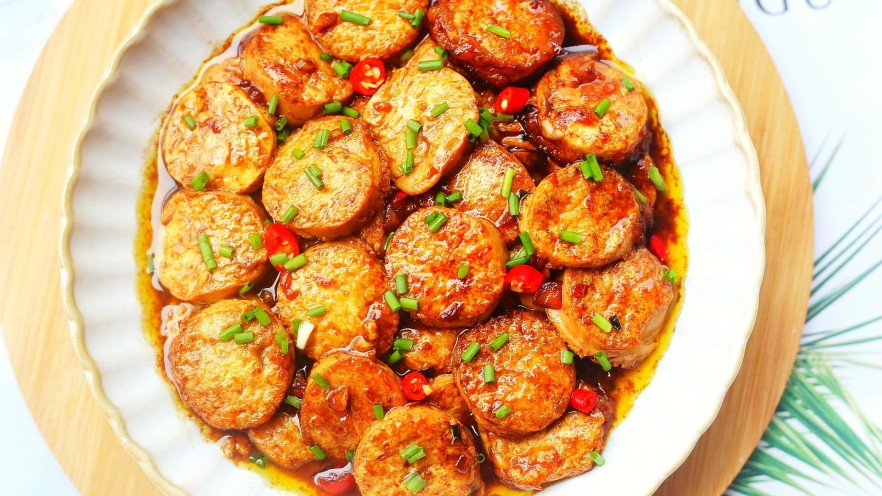


Salt and Pepper Shrimp (Salt and Pepper Prawns) – Crispy, Juicy, and Kid-Approved Recipe
Let’s be real: I’m not a fancy chef. I’m the mom who burns toast more often than I’d like to admit, but when it comes to salt and pepper shrimp? I’ve got it down pat. This recipe isn’t just “good”—it’s the kind of dish that makes my kid beg for seconds (and thirds) before I even finish plating. If you’ve ever struggled to make shrimp that’s crispy on the outside, juicy on the inside, and packed with flavor, you’re in the right place. Let’s dive in!

Why Salt and Pepper Shrimp Is My Go-To Weeknight Win
First off, let’s talk about the star: grass shrimp (or prawns, depending on where you’re from). These little guys are shallow-water sea shrimp, originally from the coasts of Guangdong and Fujian (but don’t worry—you can find them frozen or fresh almost anywhere now). They’re thin-shelled, super tender, and have that perfect “pop” when you bite into them. No fishy aftertaste, no weird bones—just pure, sweet shrimp goodness.
And let’s not forget the nutrition! Shrimp is loaded with protein, easy to digest, and great for anyone recovering from illness or just needing a light but satisfying meal. Plus, it’s kid-friendly—no picking out bones, no weird textures. My son goes crazy for this stuff, and I love that it’s not just junk food.
How to Pick the Freshest Grass Shrimp (Pro Tips!)
Before we even get to cooking, let’s make sure you’re starting with the best shrimp possible. Bad shrimp = bad salt and pepper shrimp. Trust me, I’ve learned this the hard way.
Here’s what to look for when shopping:
- Whole, intact bodies: No missing legs or broken shells. If it looks like it’s been through a fight, pass.
- Tight, shiny shells: Dull, faded shells mean old shrimp. Fresh ones should glisten a little.
- Firm, elastic meat: Press the shrimp—if it bounces back, it’s fresh. If it’s mushy? Run.
- Dry, clean surface: No slimy residue. Slimy = yucky (and potentially unsafe).
- Head attached tightly: If the head falls off easily, it’s been sitting around too long.
Pro tip: Avoid shrimp that smells “fishy” at all. Fresh shrimp should have a mild, ocean-y scent—nothing strong or off-putting. If it makes you wrinkle your nose, put it back.
What You’ll Need for This Salt and Pepper Shrimp Recipe
You don’t need a fancy pantry for this one—just the basics. Here’s the breakdown:
Ingredients (Serves 3-4)
- 400g grass shrimp (prawns)
- 5g ginger (about a thumb-sized piece)
- 15ml cooking wine (or dry sherry if you have it)
- 6g salt and pepper powder (store-bought or homemade—we’ll talk about that later!)
- 4g salt (plus more for seasoning if needed)
- 4 green onions (scallions)
- 5 garlic cloves
- 200ml cooking oil (for frying—we’ll reuse it later!)
Tools You’ll Need
- Sharp kitchen scissors (for trimming shrimp)
- Colander (for rinsing)
- Wok or large skillet (woks work best for that crispy fry!)
- Slotted spoon (for removing shrimp from oil)
- Paper towels (for draining excess oil)
Step-by-Step: How to Make Perfect Salt and Pepper Shrimp
Okay, let’s get cooking! I’m going to walk you through every step—no shortcuts, no confusing jargon. Just good old-fashioned, kid-tested, mom-approved cooking.

Step 1: Prep the Shrimp (Safety First!)
First things first: those shrimp heads have a sharp little spike that can totally stab you (ask me how I know). Grab your kitchen scissors and snip off that pointy tip. Easy peasy—no more ouchies.

Step 2: Devein and Remove the Brain
Next, let’s get rid of the yucky parts. The “brain” is a little black spot near the head—just squeeze it out with your fingers. Then, the vein (that black line down the back) is shrimp poop (gross, I know). To remove it, make a tiny cut along the back with your scissors and pull it out with your fingers. Rinse the shrimp under cold running water to get rid of any debris, then pat them dry with paper towels. Important: Dry shrimp = crispy shrimp. If they’re wet, they’ll steam instead of fry—no bueno.

Step 3: Slit the Back for Maximum Flavor
Here’s a trick to make your shrimp taste way better: use your scissors to make a shallow slit down the back (but not all the way through). This lets the marinade and seasonings soak in, so every bite is flavorful. Rinse them again quickly, then pat dry once more. I can’t stress this enough—dry shrimp are non-negotiable for crispiness.

Step 4: Marinate to Boost Flavor
Now, let’s make that marinade. In a bowl, toss the shrimp with the salt, ginger (sliced into thin strips), green onions (chopped roughly), and cooking wine. Let it sit for 30 minutes—this is key for getting that deep, savory flavor. I usually flip the shrimp halfway through to make sure both sides get marinated. Pro tip: Don’t skip the marinating time! It makes a huge difference.

Step 5: Fry the Shrimp (High Heat = Crispy Shells!)
Heat your wok (or skillet) over high heat, then add the cooking oil. Wait until the oil is hot—like, if you drop a piece of ginger in, it should sizzle immediately. Now, add the shrimp one at a time (don’t overcrowd the pan!). Important: Don’t pour the marinade liquid into the oil—wet liquid will make the oil splatter and the shrimp steam. Just add the shrimp, then stand back (oil splatters hurt!).

Step 6: Fry Until Crispy
Stir the shrimp constantly with a slotted spoon to make sure they cook evenly. You’ll see the shells turn bright red and start to crisp up. This usually takes about 3 minutes—don’t overcook them! If you leave them in too long, the meat will get tough. Once they’re crispy and red, use the slotted spoon to transfer them to a plate lined with paper towels to drain excess oil.

Step 7: Prep the Aromatics (No Need to Chop Fine!)
While the shrimp are draining, prep your aromatics. Chop the garlic, ginger, and green onions into big chunks—you don’t need them to be tiny. The idea is to fry them until fragrant, then remove them (or leave them in—your call!). I like to leave mine in for extra flavor, but if you’re not a fan of big garlic pieces, you can fish them out later.

Step 8: Fry the Aromatics
Wipe out the wok (or use the same oil—no need to waste it!) and add a little bit of the leftover oil (about 1 tablespoon). Turn the heat to medium-low and add the garlic, ginger, and green onions. Fry them for 30 seconds to 1 minute, until they’re fragrant and just starting to turn golden. Don’t burn them! Burnt garlic tastes like regret.

Step 9: Toss the Shrimp Back In
Turn the heat up to medium-high, then add the fried shrimp back to the wok. Stir them constantly for 1-2 minutes to make sure they’re heated through and coated with the aromatic oil.

Step 10: Add the Salt and Pepper
Now, sprinkle the salt and pepper powder over the shrimp. Stir like crazy for 30 seconds—you want every shrimp to be coated evenly. Remember: The shrimp were already marinated with salt, so don’t overdo it on the salt and pepper! If you’re using homemade salt and pepper (which I highly recommend), adjust the amount to taste.

Step 11: Serve and Enjoy!
That’s it! Transfer the shrimp to a plate—no need to garnish (unless you want to, but it’s totally optional). My son always grabs a handful before I can even take a photo, and I don’t blame him. The shell is crispy enough to eat (yes, really!), and the meat is juicy and tender. It’s perfect with rice, noodles, or just on its own as a snack.

Pro Tips to Make This Recipe Even Better
I’ve made this recipe a million times, so I’ve picked up a few tricks along the way. Here are my top tips:
Tip 1: Homemade Salt and Pepper Powder Is Way Better
Store-bought salt and pepper powder is fine, but homemade is chef’s kiss. Just mix 2 parts salt to 1 part white pepper (or black pepper, if you prefer). You can also add a little Sichuan peppercorn for a numbing kick, or paprika for color. Trust me—your shrimp will taste like it came from a fancy restaurant.
Tip 2: Reuse the Frying Oil (But Be Smart About It)
Don’t throw away that frying oil! Strain it through a coffee filter to remove any shrimp bits, then store it in a sealed container in the fridge. You can use it for stir-fries, fried rice, or even more shrimp—just make sure to use it within a week. It’s a great way to save money and reduce waste.
Tip 3: Adjust the Seasonings to Your Taste
Not a fan of too much salt? Cut back on the salt and pepper powder. Love spicy food? Add a pinch of cayenne pepper or chili flakes. Want a smoky flavor? Add a little smoked paprika. This recipe is totally customizable—make it your own!
Tip 4: Don’t Overcrowd the Pan
I know it’s tempting to fry all the shrimp at once to save time, but don’t do it. Overcrowding the pan lowers the oil temperature, which means the shrimp will steam instead of fry. Fry them in batches if you need to—your crispiness depends on it.
Why This Salt and Pepper Shrimp Recipe Is a Family Favorite
Let’s be honest: most weeknight meals are boring. But this one? It’s exciting. The crispy shell, the juicy meat, the savory salt and pepper—my son goes crazy for it. He’ll say, “Mom, can we have shrimp tonight?” every single day, and I don’t mind because it’s quick, easy, and I know he’s eating something good.
Plus, it’s a great way to introduce kids to cooking. My son loves helping me trim the shrimp (with supervision, of course) and stir the aromatics. It’s a fun activity that teaches him about food and safety.

And let’s not forget about the leftovers (if there are any!). The shrimp stay crispy in the fridge for up to 2 days, and you can reheat them in the oven at 350°F (175°C) for 5 minutes to crisp them back up. No soggy shrimp here!

Last week, I made this for a potluck, and everyone asked for the recipe. One friend even said, “This tastes better than the shrimp at my favorite Chinese restaurant!” I’m not gonna lie—I felt pretty proud. But honestly, it’s not rocket science. It’s just good ingredients, a little patience, and following the steps.
So if you’re looking for a quick, easy, and delicious recipe that will impress your family and friends, give this salt and pepper shrimp a try. I promise you won’t regret it. And if your kid loves it as much as mine does, you’ll be making it every week (just like me!).


