
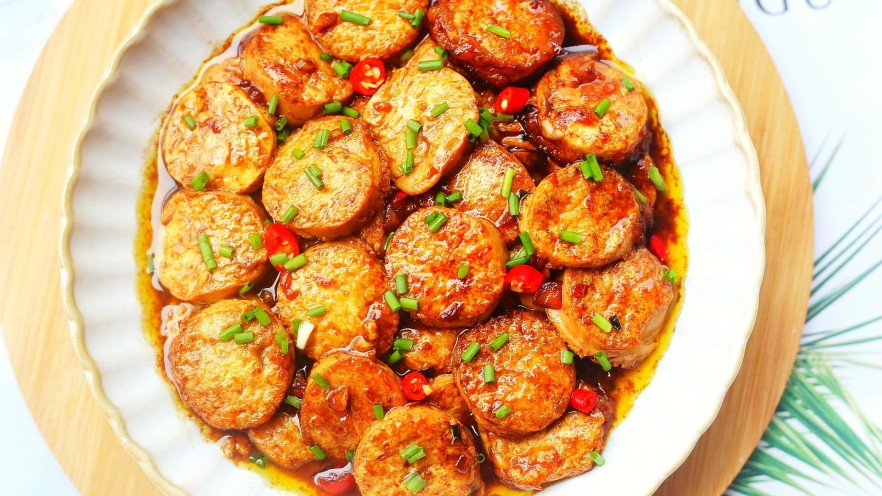


Zigong Spicy Rabbit: My All-Time Favorite Comfort Food (and Why It’s a Chinese New Year Must-Have)
Let me tell you—if there’s one dish that’s been glued to my taste buds since childhood, it’s Zigong spicy rabbit. This isn’t just any rabbit dish; it’s a Sichuan staple that’s equal parts fiery, fragrant, and full of nostalgia. Growing up in Zigong, I swear every family had their own secret recipe. Walk into any household during Spring Festival, and you’d spot a plate of glistening, red-spiced rabbit chunks on the cold platter table. I was such a picky eater as a kid—turn up my nose at most relatives’ dishes—but this? I’d hover by the plate like a hungry cat until someone finally let me dig in. No shame, either. It’s that good.

Why Zigong Spicy Rabbit Holds a Special Place in My Heart
Let’s get personal for a sec. When I went off to college, my mom knew I’d struggle with the cafeteria food (let’s be real—most college food is sad). So what did she do? Spent an entire day making batches of this spicy rabbit, vacuum-sealing them into little bags like they were precious jewels. I’d sneak one into my backpack for late-night study sessions or when I needed a taste of home. That’s the thing about this dish—it’s not just food. It’s my mom’s love, wrapped in spicy, savory goodness. Even now, whenever I make it, I’m right back in my childhood kitchen, watching her stir a giant pot of bubbling rabbit and chili peppers.
What You’ll Need to Make Zigong Spicy Rabbit (Trust Me, It’s Worth It)
Before we dive into the steps, let’s gather the goods. This isn’t a “throw whatever you have in a pot” kind of dish—you need the right stuff to get that authentic Zigong kick. Here’s my go-to list:
- 2 rabbits (about 2 lbs each; after deboning, you’ll have ~1200g of meat—yes, that’s a lot, but trust me, it disappears fast)
- 1 tbsp red soy sauce (this is non-negotiable for that deep, rich color)
- 1 tsp chicken bouillon powder (adds a subtle umami boost)
- 1 bowl dried chili peppers (the more, the spicier—pro tip: if you’re a heat fiend, add another bowl)
- A few slices of ginger (cuts through the gamey rabbit flavor)
- Some Sichuan peppercorns (hello, numbing spice—this is what makes it Sichuan)
- A splash of vinegar (secret weapon for balancing the heat)
- 2 tsp salt (start with this; you can adjust later)
- A few star anise (adds warm, aromatic depth)
- Some Sichuan radix (trust me, it’s a game-changer for flavor)
- 3 pieces rock sugar (for that subtle, caramelized sweetness)
- Enough cooking oil (you’ll need to fry the spices first)
- ½ tbsp cooking wine (takes away the rabbit’s gamey smell)
Step-by-Step: How to Make Zigong Spicy Rabbit Like a Pro
Okay, let’s get cooking. I’ll walk you through each step—no fancy skills required, just a little patience (and maybe a fire extinguisher for the chili fumes, but that’s optional).
Step 1: Prep the Rabbit (No More Gamey Taste!)
First things first: you need to get rid of that rabbit’s gamey flavor. Grab your whole rabbit (or deboned pieces—your call) and toss it into a pot of boiling water. Let it simmer for 3 minutes. That’s it! Just long enough to cook off the blood and weird smells. Then fish it out, drain all the water, and set it aside. Easy peasy.

Step 2: Fry the Spices (This Is Where the Magic Happens)
Heat up a big pot (wok works best) with oil. Once the oil is hot (but not smoking—you don’t want burnt spices), toss in the ginger slices, star anise, Sichuan radix, and Sichuan peppercorns. Stir them around for a minute or two until you smell that amazing, aromatic fragrance. If your eyes start watering? Good—that means the spices are doing their job.

Step 3: Add the Rabbit (Time to Brown That Meat)
Now throw in the drained rabbit pieces. Stir them around constantly so they don’t stick to the pot. You want to brown the edges a little—this adds so much flavor. Keep stirring for 3-4 minutes until the rabbit looks slightly golden. Don’t rush this step; it’s worth it.

Step 4: Deglaze with Wine (Goodbye, Gamey Smell)
Pour in the cooking wine and keep stirring. The wine will bubble up and take away any remaining gamey smell. Let it cook for another minute or so until most of the wine has evaporated. Smell that? Fresh, spicy, and no rabbit funk—perfect.

Step 5: Season with Salt (Start Light, Adjust Later)
Add 2 tsp of salt and stir well. Remember, you can always add more salt later, but you can’t take it away. So start with this amount and taste as you go. Stir for another minute to make sure the salt is evenly distributed.

Step 6: Add Red Soy Sauce (For That Iconic Color)
Now pour in 1 tbsp of red soy sauce. This is what gives the dish that deep, rich red color—you can’t skip this! Stir everything together so the rabbit is coated in the sauce. If you want a darker color later, you can add more soy sauce at the end. Pro tip: don’t add too much now, or it might taste too salty.

Step 7: Sweeten It Up with Rock Sugar
Toss in the 3 pieces of rock sugar. Stir until the sugar melts completely. The sugar will balance out the heat and salt, giving the dish a subtle, caramelized sweetness. Don’t worry—this won’t make it taste like candy; it’s just enough to make the flavors pop.

Step 8: Simmer with Water (Let the Flavors Marry)
Pour in enough cold water to cover the rabbit. Bring it to a boil, then turn the heat down to low. Let it simmer for about 20 minutes. This is when all the spices, soy sauce, and sugar start to infuse into the rabbit. The house will smell amazing—trust me, your neighbors might start knocking on your door.

Step 9: Boost the Umami with Chicken Bouillon
Add 1 tsp of chicken bouillon powder and stir. This adds a little extra depth to the flavor—nothing too overpowering, just a nice umami kick. Stir it in well so it dissolves completely.

Step 10: Load Up on Chili Peppers (Spice Lovers, Rejoice!)
Now for the fun part: add 1 bowl of dried chili peppers. If you’re a heat fiend (like me), throw in another bowl. Stir them in well so they’re coated in the sauce. The chili peppers will start to soften and release their heat as the dish simmers. Pro tip: if you want extra crunch, you can fry the chili peppers separately first, but this way is easier.

Step 11: Balance with Vinegar (Secret Hack Alert!)
Add a splash of vinegar. This might sound weird, but trust me—it’s the secret to balancing the heat and making the flavors pop. Stir everything together, then taste it. If it needs more salt, add a little more. If it’s not spicy enough, add more chili peppers. If the color is too light, add a little more red soy sauce. This is your dish—tweak it to your taste!

Step 12: Reduce the Sauce (Let It Get Thick and Glistening)
Turn the heat up to medium and let the sauce reduce. Stir occasionally to make sure nothing sticks. You want the sauce to thicken up and coat the rabbit and chili peppers. This will take about 10-15 minutes. The longer you reduce it, the more intense the flavor will be. I like to let it reduce until there’s just a little sauce left—so the rabbit is glistening and the chili peppers are crispy.

Why This Dish Is a Chinese New Year Must-Have
Let’s talk about the best part: eating it. Whenever we make this for Chinese New Year, the plate is gone in 10 minutes flat. Everyone fights over the last piece—even the picky eaters! It’s the perfect cold platter dish because it tastes just as good cold as it does warm. The chili peppers get extra crispy, and the rabbit absorbs all the flavors. Plus, it’s a great conversation starter—everyone always asks, “Where did you get this recipe? It’s amazing!”

Final Thoughts: This Dish Will Steal Your Heart (and Your Taste Buds)
Look, I’m not exaggerating when I say this is my favorite dish in the whole world. It’s not just about the spicy, savory flavor—it’s about the memories. It’s my mom staying up late to make it for me before college. It’s fighting with my cousins over the last piece at New Year’s. It’s the smell of chili peppers filling my childhood home. Even now, when I make it for my friends, they’re obsessed. Last week, I made a big batch, and my roommate ate half of it in one sitting. No judgment—she knows good food when she tastes it.
If you’re looking for a new Sichuan dish to try, this is it. It’s not too complicated, and the payoff is huge. Just make sure you have enough chili peppers (trust me, you can never have too many). And if you make it, let me know how it turns out! I’d love to hear your thoughts. Oh, and one last thing—don’t forget to save some for later. It tastes even better the next day, after the flavors have had time to meld together. You’re welcome.


![Kid-Friendly Tomato Bacon Bread Recipe – No More Picky Eaters! [Easy & Delicious]](https://hearthsiderecipes.com/images/5815/4hyuwfjsarj.jpg "Kid-Friendly Tomato Bacon Bread Recipe – No More Picky Eaters! [Easy & Delicious]")
