
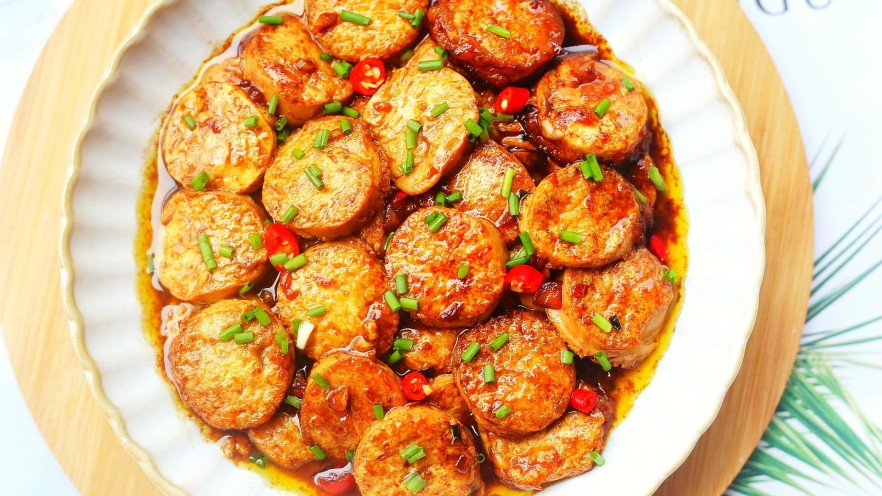


Spicy Chili Oil Tofu: A Homemade Recipe That Makes You Cry (In the Best Way)
Okay, let’s be real—how many times have you made a “simple” tofu dish only to end up with something bland, mushy, or just… meh? I’ve been there. Tofu can be a total diva if you don’t treat it right. But this spicy chili oil tofu? Oh my gosh, it’s a game-changer. I made it last week, and my roommate literally ate three bowls of rice with it before I could even snap a decent photo. And let’s not even talk about the leftover container she snuck into her bag the next day. Rude? Maybe. Worth it? 100%.

Why This Spicy Chili Oil Tofu Hits Different
First off, let’s get one thing straight: this isn’t your average tofu stir-fry. The star here is the spicy chili oil base—specifically, the Sichuan doubanjiang (Pixian chili bean paste) that gives it that deep, umami kick. If you’ve never used this stuff, trust me, it’s like a flavor bomb in a jar. Plus, we’re not skimping on the garlic or the chili flakes (wait, hold on—wait, the original recipe mentions dried chilies? Let me check… oh right, step 3 says “dried chilies cut into small pieces.” So we’re adding those too for extra heat and crunch. Yesss.
Another win? The tofu stays firm even after cooking. No sad, soggy blocks here. I’ll share my secret trick later (spoiler: it’s all about how you cut and cook it). And let’s not forget the green pepper—It adds a fresh, crisp contrast to the soft tofu and spicy sauce. Perfect for balancing out all that heat.
What You’ll Need (No Fancy Gadgets, Promise)
Let’s break down the ingredients. You don’t need a fancy kitchen setup—just the basics, plus a trip to your local Asian market (or Amazon, if that’s easier) for the doubanjiang. Here’s the list:
- 1 block of firm tofu (not silken—we need it to hold its shape!)
- 1 green chili pepper (adjust for heat—use a jalapeño if you’re a wimp like me, or a serrano if you want to sweat a little)
- 30ml cooking oil (neutral oil like canola or peanut works best—no olive oil, it’ll burn)
- 20g Pixian chili bean paste (doubanjiang—this is NON-NEGOTIABLE. Don’t substitute with regular chili paste)
- 5g cornstarch (for thickening the sauce—basic pantry staple)
- 2 cloves garlic (minced, not chopped—we want tiny bits that fry up crispy)
- 1g salt (only a pinch! The doubanjiang is already salty)
- Dried chilies (the original recipe mentions these—add as many as you want for extra heat)
Wait, let’s confirm: the original content has “dried chilies” in step 1, even though they’re not in the initial ingredients list. So I’m adding them here—you can’t skip the extra heat if you want that authentic spicy vibe. Trust me, your taste buds will thank you (or curse you, but in a good way).
Step-by-Step: How to Make Spicy Chili Oil Tofu (Without Screwing It Up)
Okay, let’s get cooking. I’m going to walk you through each step, with my own little hacks to make sure it turns out perfect. No stress, just good food.

Step 1: Prep Your Ingredients (The Most Important Step, Fight Me)
First, let’s get everything ready. This is called “mise en place,” and it’s not just for fancy chefs—it’s for people who don’t want to burn their garlic while they’re fumbling with a tofu block. Here’s what to do:
- Take your tofu block. Drain it (press it if you have time—wrap it in paper towels and put a heavy pan on top for 10 minutes. It’ll absorb the sauce better).
- Cut the tofu into small cubes—about 1-inch pieces. Don’t make them too big, or they’ll fall apart. Too small, and they’ll disappear into the sauce. 1-inch is perfect.
- Chop your garlic into tiny pieces (mince it). If you leave big chunks, they’ll burn and taste bitter. No one wants bitter garlic.
- Cut the green chili into small cubes too—same size as the tofu, so everything cooks evenly.
- Take the dried chilies and cut them into small pieces. Pro tip: remove the seeds if you don’t want extra heat (I always do—my mouth can’t handle that).

Step 2: Cook the Aromatics (This Is Where the Magic Starts)
Now, let’s heat up the pan. Use a wok or a large skillet—woks are better for stir-frying, but a skillet works too. Here’s what to do:
- Heat 30ml of oil over medium heat. Don’t make it too hot—if it’s smoking, you’ve gone too far. You want it just warm enough that a drop of water sizzles when you put it in.
- Add the minced garlic. Stir it around for 30 seconds—just until it’s fragrant. Don’t let it turn brown! Burnt garlic is the enemy of good tofu.
- Now, add the dried chili pieces. Stir them for another 30 seconds. They’ll start to release their oil and smell amazing. This is the “spicy kick” step—don’t skip it.

Step 3: Add the Chili Bean Paste (The Flavor Bomb)
This is the most important part. The Pixian doubanjiang is what makes this dish taste like restaurant-style Sichuan tofu. Here’s how to use it:
- Add 20g of the chili bean paste to the pan. Stir it around for 1-2 minutes, until it’s fragrant and the oil turns red. This is called “blooming” the paste—It releases all the umami flavors.
- Pro tip: If the paste is too thick, add a splash of water to help it spread. But don’t add too much—we want it to coat the garlic and chilies, not drown them.

Step 4: Cook the Tofu and Green Pepper
Now, it’s time to add the stars of the show: tofu and green pepper. Here’s how to do it without making the tofu mushy:
- Add the tofu cubes to the pan. Gently stir them around so they’re coated in the chili paste. Don’t mash them—be gentle! Tofu is fragile.
- Add the green pepper cubes. Stir them in too. Now, let everything cook for 2-3 minutes. The tofu will start to absorb the sauce, and the green pepper will get a little tender but still crisp.
- Add a splash of water (about 1/4 cup). This will help the tofu cook through and the sauce to thicken. Don’t add too much—we don’t want a soup.

Step 5: Thicken the Sauce (The Final Touch)
Now, we’re going to make the sauce nice and thick so it sticks to every piece of tofu. Here’s how:
- Mix 5g of cornstarch with a little water (about 2 tablespoons) to make a slurry. Stir it well so there are no lumps. Lumps = sad sauce.
- Pour the slurry into the pan. Stir it around for 1-2 minutes, until the sauce thickens. It should be glossy and coat the back of a spoon.
- Add a pinch of salt (1g). Wait, why only a pinch? Because the chili bean paste is already salty! If you add too much salt, you’ll ruin the dish. Trust me— I’ve made that mistake before. My roommate refused to eat it, and I had to start over.

Step 6: Serve and Enjoy (Finally!)
Turn off the heat, and transfer the tofu to a plate. Look at that glossy, red sauce! Smell that amazing aroma? Your neighbors are probably already knocking on your door (or at least sniffing through the walls). Serve it with a big bowl of white rice—trust me, you’ll need it to soak up all that sauce.
Pro tip: Sprinkle some sesame seeds on top for extra crunch. Or add a little green onion for color. But even without it, this dish is perfect.

My Personal Experience: Why This Recipe Is a Staple Now
Let me tell you a little story. Last month, I was feeling really stressed about work. I didn’t want to order takeout (too expensive), and I didn’t want to make something complicated. So I dug up this recipe (it was saved in my “lazy weeknight meals” folder) and gave it a try. And wow—It was like a hug for my taste buds. The spicy, umami sauce mixed with the soft tofu and crisp green pepper was exactly what I needed. I ate two bowls of rice with it, and then I saved the leftover for lunch the next day. It was even better cold!
Since then, I’ve made this recipe at least 5 times. My roommate now asks for it every time she’s craving something spicy. My friend came over last week, and she said it tasted better than the tofu dish she gets at her favorite Chinese restaurant. High praise, right?
One thing I’ve learned: don’t skimp on the chili bean paste. I tried substituting it with regular chili paste once, and it was a disaster. The flavor was flat, and it didn’t have that deep, umami taste. So make sure you get the Pixian brand—It’s worth the extra trip to the Asian market.

Common Mistakes to Avoid (Save Yourself the Headache)
Let’s talk about the mistakes I’ve made so you don’t have to. Here are the top three:
Mistake 1: Using Silken Tofu
Silken tofu is great for soups and desserts, but it’s terrible for this recipe. It falls apart when you cook it, and it doesn’t absorb the sauce. Stick with firm or extra-firm tofu. Trust me.
Mistake 2: Burning the Garlic
Garlic burns in 2 seconds flat. If you’re not paying attention, you’ll end up with bitter garlic that ruins the whole dish. Stir it constantly, and take it off the heat as soon as it’s fragrant.
Mistake 3: Adding Too Much Salt
The chili bean paste is already salty. I once added a full teaspoon of salt, and the dish was so salty I had to throw it out. Just a pinch is enough. Promise.

Variations to Try (Mix It Up!)
Once you’ve mastered the basic recipe, try these variations to keep things interesting:
- Add ground pork: Cook some ground pork with the garlic and chilies for extra protein. It’s delicious!
- Use different peppers: Try a red bell pepper for sweetness, or a habanero if you want to go crazy with heat.
- Add mushrooms: Sliced shiitake mushrooms add a meaty texture and umami flavor. Yum!
- Make it vegan: Skip the pork (obviously) and use vegetable oil. It’s still just as delicious.
My favorite variation is adding ground pork. I made it last weekend, and my roommate said it was “the best thing she’s ever eaten.” High praise, indeed.

Final Thoughts: Why This Recipe Is a Must-Try
Let’s be real—cooking can be intimidating. Especially when you’re dealing with ingredients you’ve never used before (like Pixian doubanjiang). But this recipe is so simple, even a beginner can make it. All you need is a little patience and the right ingredients. And the payoff? A dish that’s spicy, umami, and so delicious it’ll make you cry (in the best way).
I’ve shared this recipe with all my friends, and every single one of them has loved it. Some have even made it for their families, and their parents have asked for the recipe too. That’s the sign of a good dish—when it’s loved by everyone, from beginners to seasoned cooks.
So what are you waiting for? Grab your tofu, your chili bean paste, and get cooking. I promise you won’t regret it. And if you do make it, tag me in your photos! I’d love to see your creations.

Oh, and one last thing: don’t forget the rice. You’ll need it. Trust me.

Happy cooking! 🍽️

Wait, let me just double-check the steps to make sure I didn’t miss anything. Oh right, step 12 says “tofu cooked through”—so make sure the tofu is heated all the way through. You don’t want cold tofu in the middle. Gross.

And step 14 says “salt to taste”—but remember, only a pinch! The doubanjiang is already salty. I can’t stress that enough.

Okay, that’s it! Go make this dish. Your taste buds will thank you. And if you have any questions, just leave a comment below. I’ll answer them as soon as I can. Happy cooking!


