
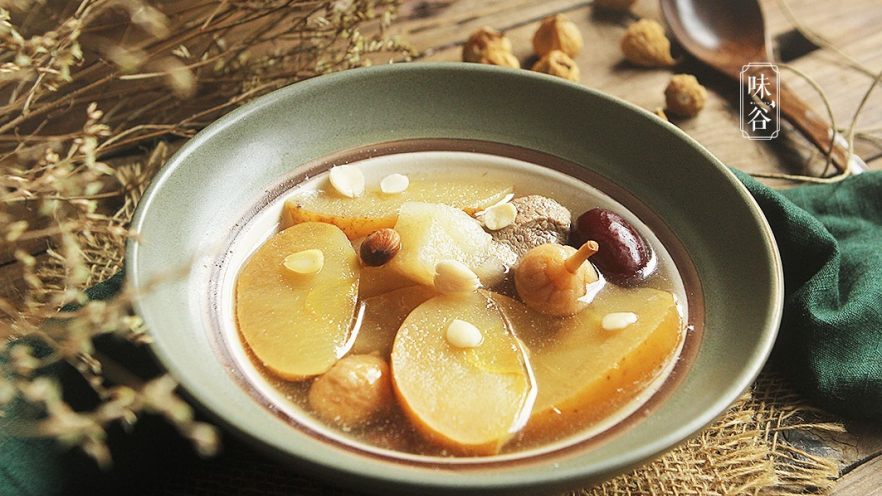


Wow, let’s talk about a soup that’s basically the hug your taste buds need! This Apple Pear Soup isn’t just any ordinary soup—it’s a sweet, nourishing, and totally comforting bowl that hits all the right notes: it’s good for your stomach, helps with digestion, and even gives you that gentle energy boost. Perfect for autumn when your body needs a little extra care, or honestly, anytime you want something that feels like a warm hug in a bowl. Let’s dive in!
What Makes This Apple Pear Soup So Special?
First off, let’s break down why you need this recipe in your life. Apples and pears are both natural wonders—they’re packed with fiber, vitamins, and antioxidants that keep your body happy. The pork adds protein to keep you full, while the almonds bring a nice nutty crunch and a boost of healthy fats. And don’t even get me started on the dried figs and red dates—they’re like nature’s sweeteners, adding just the right amount of sweetness without any added sugar. Plus, this soup is super versatile: it’s easy to make, can be batch-cooked, and tastes even better the next day. Let’s not forget the “clear soup” magic—no heavy cream, no weird additives, just pure, fresh ingredients simmered to perfection. Yum!
Ingredients: Let’s Gather What You Need
Before you start cooking, make sure you have all these ingredients on hand. I’ll list them with a little extra detail to help you prep like a pro!
Ingredients (Serves 4-5 People)
- 1 medium apple: I usually leave the skin on for extra fiber, but if you prefer peeled, go for it! Apples add a crisp sweetness that balances everything out.
- 1 medium pear: Definitely peel and core it! Those seeds can be a bit bitter, so no need to keep them. Pears add a juicy, sweet flavor that’s so refreshing.
- 350g pork tendon meat: Also called “pork shank” in some places. It’s lean but tender, and adds a rich depth to the soup. If you can’t find tendon, pork shoulder works too—just make sure it’s not too fatty!
- 8 dried figs: These are like little flavor bombs! They’re naturally sweet and add a unique chewiness that makes the soup feel special. Pro tip: Soak them in warm water for 10 minutes first to plump them up if you want!
- 6 red dates (jujubes): These are a staple in Cantonese cooking. They add a subtle sweetness and a hint of earthiness. They’re also great for your energy levels!
- 8g southern almonds (nan xing): Sweet almonds, also called “sweet almonds.” They’re mild and nutty, and safe to eat in moderation. These are the “good” almonds that don’t have the bitter edge.
- 6g northern almonds (bei xing): Bitter almonds! These have a stronger flavor and a tiny bit of natural bitterness, which balances the sweetness of the fruit. But be careful—they’re slightly toxic if eaten raw in large quantities, so stick to 6g max!
- 2 slices fresh ginger: Ginger is a must here! It adds a gentle warmth, cuts through the sweetness, and helps with digestion. Slice it thin so it infuses the soup well.
- Salt to taste: Only add this at the end! As a Cantonese person, we always say “salt at the end, flavor at the end” to keep the soup’s natural sweetness intact.
How to Make This Soup: Step-by-Step
Cooking this soup is like a cozy afternoon project—easy, satisfying, and the result is pure magic. Let’s go through each step, and don’t forget to check the images to see what each stage should look like!
Step 1: Prep All Your Ingredients 

First things first: lay out all your ingredients on the counter. Wash the apples, pears, figs, and dates. Slice the ginger, cut the pork into chunks, and measure out the almonds. Having everything prepped will make the next steps stress-free—no scrambling halfway through!
Step 2: Understand the Almonds (North vs. South) 
Wait a sec—let’s clarify the almonds! Northern almonds (bei xing) are the bitter ones, and southern almonds (nan xing) are sweet. Some people skip the northern ones if they’re worried about bitterness, but I think the tiny amount (6g!) adds a nice depth. If you’re new to this, just remember: sweet (south) = safe, bitter (north) = flavor with caution. No need to worry too much—just follow the recipe!
Step 3: Rinse the Almonds, Dates, and Figs 
Quick rinse for the almonds, dried figs, and red dates! A quick wash removes any dust, so they’re clean and ready to go. The pork will be blanched later, so no need to rinse that yet.
Step 4: Prep the Pork Tendon 
Take the pork tendon meat and rinse it under cold water. Pat it dry with a paper towel (or just leave it for a sec). Cut it into 2-3cm chunks—size doesn’t matter, but bigger chunks hold up better during boiling. If you’re using a sharp knife, be careful not to slice your fingers! Safety first, soup later!
Step 5: Blanch the Pork to Remove Blood & Odors 
Here’s the secret to a clear, flavorful soup: blanching the pork! Bring a pot of water to a boil, add the pork chunks, and let it boil for 1-2 minutes. You’ll see gross foam and blood rise to the top—that’s the impurities leaving! After boiling, scoop the pork out with a slotted spoon and rinse under cold water to stop cooking. Pat dry again—this step removes the raw smell and keeps the soup clear. Trust me, your soup will taste 10x better!
Step 6: Slice the Ginger 
Time to slice the ginger! Wash the ginger, then cut into 2 thin slices. These will infuse the soup with a gentle warmth. No need to mince—slicing is easier, and the ginger will soften nicely in the soup.
Step 7: Prep the Apple 
Wash the apple, then decide: peel or not? I leave the skin on for more fiber, but if you’re not into that, peel it. Core the apple (remove the seeds) and cut into chunks. Size-wise, aim for 2-3cm pieces so they cook evenly. If you’re prepping ahead, toss the apple chunks in a little water with lemon juice to prevent browning—just a tip!
Step 8: Prep the Pear 
Peel the pear (I find it easier to eat if peeled!), core it, and cut into chunks. Same size as the apple—consistency is key! If you’re not using the pear right away, soak it in cold water to stop browning. But if you’re cooking immediately, just pat it dry and set aside.
Step 9: Combine All Ingredients in the Pot 
Now, grab your big soup pot (a clay pot is ideal for slow simmering!). Add the blanched pork, ginger slices, apples, pears, almonds, dried figs, and red dates. Arrange them gently—no need to stir yet; we’ll let them cook together.
Step 10: Add Water and Simmer 
Pour in about 2 liters of water (that’s 8 cups, enough for 4-5 people). Bring the water to a rolling boil over high heat, then immediately reduce the heat to low. Let it simmer uncovered for 1 hour. Why low heat? Because slow simmering allows all the flavors to blend without making the soup cloudy. If you’re using a regular pot, you might need to cover it once it’s boiling to keep the heat in.
Step 11: Season with Salt (Just Before Serving!) 
After 1 hour, the soup should be rich and fragrant! Taste it—if it needs a little salt, add 1/4 to 1/2 teaspoon. Remember: adding salt too early makes the meat tough. So just a light sprinkle at the end to enhance the flavors without overpowering them. Perfect timing!
Step 12: Enjoy Your Warm, Nourishing Soup 
Now, your Apple Pear Soup is ready to serve! Ladle it into bowls and enjoy. It’s especially perfect for cool autumn or winter days, but I drink it year-round because it’s so soothing. The apples and pears make it sweet and light, while the pork and almonds add substance. It’s the kind of soup that makes you go, “Ahhh, this is why I love cooking!”
Pro Tips for Perfect Apple Pear Soup
Even if you follow the steps, these tips will take your soup from “good” to “wow.” Let’s make sure you don’t mess up the details!
1. Soak the Figs for Extra Sweetness 
Soak the dried figs in warm water for 10 minutes before adding them to the pot. They’ll plump up, release more sweetness, and become softer. Trust me, it’s a tiny step that makes a big difference!
2. Avoid Over-Salting (We’re Cantonese!)
Cantonese soup lovers always add salt at the end. Adding it earlier can make the meat tough and the soup taste flat. Wait until the last minute to season, and you’ll thank yourself later!
3. Store Leftovers Properly
Got leftovers? Store them in an airtight container in the fridge for up to 3 days. Reheat gently on the stove with a splash of water—this soup actually tastes better the next day as the flavors meld more. Meal prep win!
4. Swap Ingredients for Seasonality
Not a fan of figs? Replace them with lotus seeds in summer for a cooling twist, or goji berries in winter for extra antioxidants. Apples and pears are seasonal, but you can use canned fruit if fresh isn’t available—just adjust cooking time!
5. Why This Soup is Great for Your Stomach
Apples and pears are high in fiber, which aids digestion. Ginger soothes the stomach, and pork is easy to digest. Together, they make a soup that’s gentle on your gut—perfect for anyone with a sensitive stomach or post-illness recovery!
Final Thoughts
Apple Pear Soup isn’t just a recipe—it’s a tradition, a comfort, and a way to take care of yourself. Whether you’re a soup enthusiast or just want something simple and healthy, this recipe delivers. It’s sweet, nourishing, and totally customizable. So put on your apron, gather the ingredients, and make a pot today. Your taste buds (and your stomach) will thank you!


