
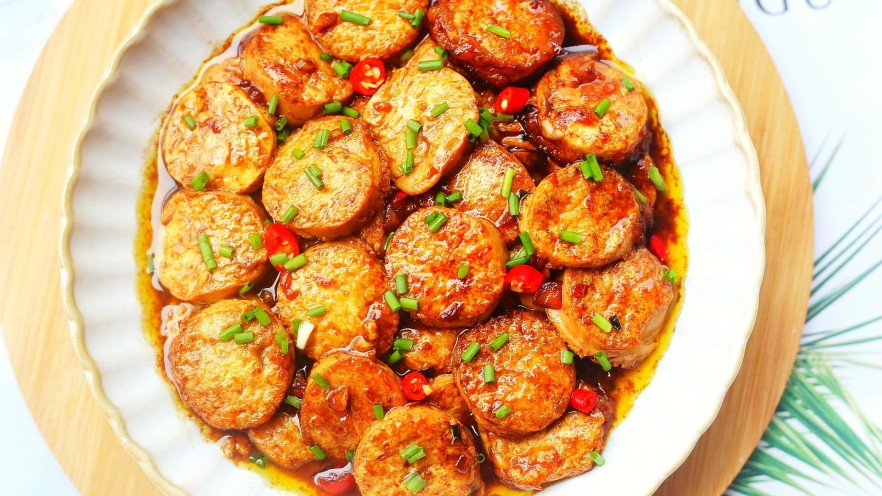


Introduction: Why These Thai Shrimp Cakes Are a Must-Try
Let me start by saying this: if you’ve ever craved Thai street food but haven’t been to Thailand, or even if you have been and miss the crispy, tangy flavors, you’re in luck! Today, I’m sharing my go-to recipe for Thai fried shrimp cakes—also known as “tod man pla” in Thai. These little bites are crispy on the outside, juicy on the inside, and packed with that perfect balance of sweet, salty, and zesty Thai flavors. I first fell in love with them at a bustling Bangkok night market, where they were served piping hot with a side of sweet chili sauce. Now, I make them at home whenever I need a taste of Thailand, and trust me—they’re way easier to replicate than you might think!
Whether you’re a Thai food newbie or a seasoned home cook, these shrimp cakes are beginner-friendly, budget-friendly, and guaranteed to impress. No fancy equipment needed—just a good knife, a pan, and some patience. Let’s dive in!
Ingredients: What You’ll Need for That Authentic Thai Taste
First, let’s gather the ingredients. I’ll list them with measurements, but remember: cooking is all about personal preference, so adjust to taste!
- 350g fresh shrimp (peeled, deveined, tails removed—look for large shrimp for the juiciest bites!)
- 10g fresh cilantro (chopped—this adds a fresh, herbaceous kick, but if you’re not a cilantro fan, you can skip it, though I’d argue it’s non-negotiable for Thai flavor!)
- 2 garlic cloves (crushed or minced—garlic is the backbone of Thai seasoning, so don’t skimp here!)
- 1 tablespoon fish sauce (this is the umami star—look for high-quality fish sauce, like Red Boat, if you can find it!)
- ½ lime (juice squeezed—fresh lime is key for that bright, acidic tang; save the rind for garnish if you want extra lime flavor!)
- 1 teaspoon salt (adjust based on your taste and the saltiness of the fish sauce—start with ¾ tsp if you’re unsure)
- Black pepper (freshly ground, to taste—about ½ teaspoon, but add more if you like a peppery kick!)
- 1 egg (beaten—this helps the breadcrumbs stick for that golden, crispy coating)
- Potato starch (enough to coat a plate—this is for the first coating to keep the filling from falling apart)
- Breadcrumbs (panko works best for extra crunch, but regular breadcrumbs are fine—make sure they’re plain, not seasoned)
Step-by-Step Guide: How to Make Perfect Thai Shrimp Cakes
Okay, let’s get cooking! This part is where the magic happens. Follow along with your ingredients and tools (a food processor/blender, a small bowl for egg wash, a pan for frying, and some paper towels for draining). Let’s break it down into easy parts.
Preparing the Shrimp Filling: The Heart of the Dish
First, prep those shrimp! Peel them (use a small knife or your fingers—no need to be too gentle, just get the shells off), and pat them dry with a paper towel. If there are any veins, remove them too—they’re not fun to bite into. Once peeled, you’ll have a big bowl of pink shrimp meat—so satisfying to look at! 
Next, transfer the shrimp to a food processor or blender. Add the chopped cilantro, crushed garlic, fish sauce, salt, black pepper, and lime juice. Pulse a few times—don’t overblend! You want the shrimp to be mostly chopped but still a bit chunky. If you don’t have a food processor, you can finely mince the shrimp by hand with a sharp knife. Either way, the goal is a texture that’s not too smooth (you want the shrimp to stay tender) and not too chunky (it should stick together when formed into a ball). 
Once everything is combined, the filling should look like a vibrant, slightly wet mixture. Taste it! Add a pinch more lime juice if it’s too salty, or a sprinkle of salt if it’s bland. Then, cover the bowl and let the filling chill in the fridge for 10 minutes. This step is crucial—it helps the filling hold together better when you shape it into cakes. Trust me, I’ve tried skipping this, and my cakes fell apart! 
Shaping & Coating: From Filling to Golden Cakes
Now, it’s time to shape those cakes! Grab a small handful of the chilled filling—about 2-3 tablespoons per cake (this is perfect for a single small bite or a couple of servings). Roll it gently in your palms to form a smooth ball. Keep your hands wet with a little water if the filling sticks—this helps prevent it from sticking to your palms. 
Next, roll the ball in potato starch. Pour some starch onto a plate, then roll the ball around until every side is coated. This first coating is like a “bandage” to keep the filling intact when we add the egg and breadcrumbs. Think of it as armor for your cake! 
After the starch, gently press the ball between your palms to form a flat cake—about ½-inch thick. Don’t press too hard, or you’ll break the starch layer. Aim for a slightly irregular shape; perfect circles are nice, but the slightly lopsided ones are more “homemade” and crispy on the edges! 
Now, the egg wash! Crack the egg into a shallow bowl and beat it with a fork until smooth. Dip the starch-coated cake into the egg wash, making sure to coat all sides. This egg layer is the glue that holds the breadcrumbs on—so don’t rush this step! 
Finally, roll the egg-coated cake in breadcrumbs. Pour breadcrumbs onto another plate, and roll the cake around until it’s completely covered. I love using panko here because they’re coarser and create a crunchier crust, but regular breadcrumbs work too—just make sure they’re not seasoned. 
Frying to Crispy Perfection: The Final Step
Okay, your cakes are prepped and ready to fry! Let’s get the oil heated. Pour enough oil into a pan to reach about 1-inch depth—you can use vegetable or canola oil for neutral flavor. Heat it over medium heat until it reaches 350°F (175°C). To test if it’s ready, drop a tiny piece of bread into the oil—if it sizzles and turns golden in 30 seconds, you’re good! 
Gently place the coated shrimp cakes into the hot oil. Fry them for 3-4 minutes on one side until golden brown, then flip and fry another 3-4 minutes on the other side. The key is to keep the heat at medium-low—if it’s too hot, the outside will burn before the inside is cooked. Use a slotted spoon to flip them carefully, and don’t overcrowd the pan—fry 2-3 at a time to ensure even cooking. 
Once both sides are golden and crispy, remove the cakes with a slotted spoon and drain them on a paper towel. Let them cool for 1-2 minutes—they’ll still be hot, but resist the urge to bite into one immediately (trust me, you’ll burn your tongue!). 
Serving Tips: Make It Extra Thai
Now, the best part: serving! I’m obsessed with pairing these with Thai sweet chili sauce. During my trip to Thailand, I brought back a bottle of the Thai Golden Rooster brand sweet chili sauce—it’s sweet, tangy, and slightly spicy, and it’s the perfect dip for these cakes. If you can’t find it, you can make your own: mix 2 tbsp of sugar, 1 tbsp lime juice, 1 tbsp water, 1 tsp fish sauce, and a pinch of chili flakes. Simmer for 5 minutes until thickened, then let it cool. 
Pro tip: Add a fresh lime leaf for extra Thai flair! Just gently rub the lime leaf between your palms to release its citrusy aroma, then place it on top of the cake. It’s not just for decoration—it adds a bright, fresh layer of flavor that ties everything together. If you’re feeling fancy, garnish with a lime wedge on the side for extra squeezing! 
Final Thoughts: Why This Recipe Works
Thai fried shrimp cakes are more than just a recipe—they’re a taste of Thailand’s vibrant street food scene, right in your kitchen. The key to their success? Using fresh ingredients, not overworking the shrimp (so it stays tender), and layering the coatings (starch, egg, breadcrumbs) for that crispy, golden exterior. Whether you’re serving them as an appetizer, a main dish, or even as a snack, these cakes are guaranteed to impress. 
I hope this recipe brings you as much joy as it does me—I’ve made it for friends, family, and even my cat (she didn’t get to try, but she sure watched!). Tag me in your creations on social media—I’d love to see your Thai shrimp cakes! Until next time, happy cooking, and remember: the best Thai food is made with love… and a little lime juice. 


