Taro Braised Pork Ribs: A Sichuan-Style Comfort Food That’s Impossible to Resist
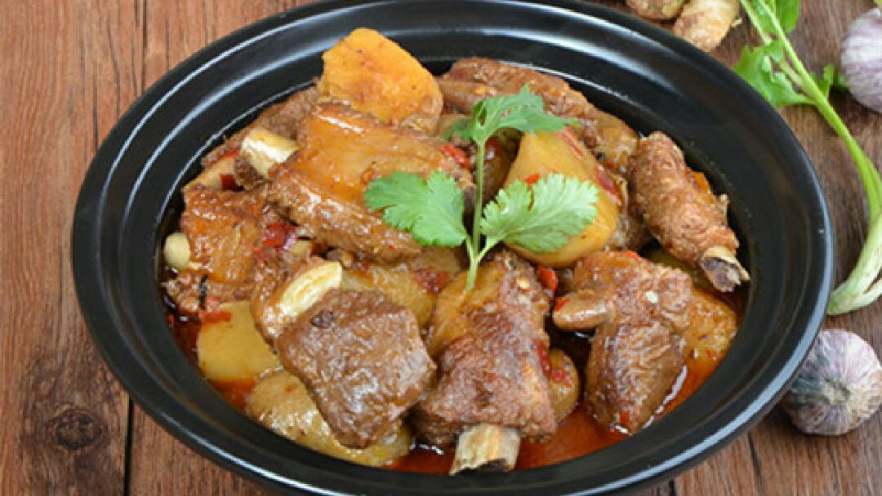
Okay, let’s be real—who doesn’t love a good plate of braised ribs? The tender meat falling off the bone, the rich, savory sauce coating every bite… it’s basically comfort food perfection. But when you pair those ribs with creamy, melt-in-your-mouth taro? Chef’s kiss. I’ve been obsessed with this Sichuan-style taro braised ribs recipe for months, and today I’m spilling all the tea (and the recipe) so you can make it at home. Trust me, your taste buds will thank you.

Why This Taro Braised Ribs Recipe Is a Game-Changer
First off, let’s talk about the star players here: ribs and taro. Pork ribs are already amazing—they’re juicy, have that perfect meat-to-fat ratio, and get even better when slow-cooked. But taro? Oh, taro is the unsung hero of this dish. It’s starchy, slightly sweet, and absorbs flavors like a sponge. When you braise it with the ribs, it becomes creamy and almost potato-like, but with a nuttier, more complex flavor. Yum.
And let’s not forget the Sichuan twist. Instead of a plain soy-based braising sauce, we’re using doubanjiang (fermented broad bean paste) for that deep, umami kick, plus a handful of warm spices like star anise and cinnamon. It’s not too spicy (unless you add extra chili, but we’ll keep it mild for now), just deeply flavorful and comforting. Perfect for a cozy night in or a weekend feast with friends.
What You’ll Need to Make Taro Braised Ribs
Before we dive into the steps, let’s make sure you have all the ingredients. You don’t need anything fancy—just some basic pantry staples and fresh produce. Here’s the breakdown:
Ingredients List
- 400g pork ribs (I prefer spare ribs, but baby back ribs work too)
- 300g taro (peeled and cut into 5cm chunks—make sure they’re not too small, or they’ll fall apart)
- 5-6 ginger slices (about 10g of ginger, peeled)
- 4-5 garlic cloves (sliced, about 15g of garlic)
- 2 star anise
- 1 small cinnamon stick (about 5cm long)
- 1 bay leaf (optional, but adds depth)
- 2 tbsp doubanjiang (fermented broad bean paste—this is key for Sichuan flavor!)
- 1 tsp white pepper (freshly ground is best, but pre-ground works too)
- 2 tbsp light soy sauce (for saltiness and umami)
- 2 tbsp oil (neutral oil like canola or peanut oil works best)
- Water (about 1 liter, or enough to cover the ribs)
Pro Tips for Ingredients
Quick side note: If you can’t find fresh taro, frozen taro chunks work too—just make sure to thaw them first. And for the ribs, try to get them from a butcher if possible—they’ll be fresher and have better flavor. If you’re using store-bought ribs, make sure to rinse them well under cold water to remove any excess blood (this helps prevent a gamey taste).
Step-by-Step: How to Make Taro Braised Ribs
Okay, let’s get cooking! This recipe is pretty straightforward, but there are a few key steps that make all the difference. Let’s go one by one.

Step 1: Sear the Ribs to Lock in Flavor
First, heat the oil in a large pot or Dutch oven over medium-high heat. Once the oil is hot (you’ll know it’s ready when a drop of water sizzles), add the ribs in a single layer. Don’t overcrowd the pot—cook them in batches if you need to. Sear the ribs for 3-4 minutes per side, until they’re golden brown and crispy on the outside. This step is so important—it renders the fat, adds a ton of flavor, and helps the ribs stay tender when braising.
Pro tip: If you don’t have a Dutch oven, a regular large pot works too. Just make sure it’s heavy-bottomed so it doesn’t burn the ribs.

Step 2: Sauté the Aromatics
Once the ribs are seared, add the ginger slices and garlic cloves to the pot. Stir them around for 30 seconds to 1 minute, until they’re fragrant. Don’t burn them—burnt garlic tastes bitter, and we don’t want that. The ginger and garlic will infuse the oil with their flavor, which will make the entire dish taste better.

Step 3: Add the Spices
Next, toss in the star anise, cinnamon stick, and bay leaf (if using). Stir them around for another 30 seconds, just to wake up the spices. The warm, aromatic scent will start to fill your kitchen—trust me, your neighbors might start knocking on your door asking what you’re cooking. Resist the urge to skip the spices—they add that warm, cozy depth that makes this dish feel like a hug in a bowl.

Step 4: Add the Doubanjiang for That Sichuan Kick
Now it’s time for the star of the show (after the ribs and taro, of course): doubanjiang. Add 2 tablespoons of the paste to the pot and stir it around with the ribs and aromatics. Cook this for 1-2 minutes, until the paste starts to turn a deep red color and smells fragrant. The doubanjiang will add a salty, umami, slightly spicy flavor that’s pure Sichuan. If you’re sensitive to spice, you can use less (like 1 tablespoon), but I recommend sticking with 2 for that authentic taste.

Step 5: Cover with Water and Bring to a Boil
Once the doubanjiang is fragrant, pour in enough water to cover the ribs (about 1 liter). Stir everything together to make sure the paste is fully dissolved. Bring the water to a rolling boil over high heat. This step helps the ribs start to tenderize and the flavors start to meld together.

Step 6: Skim the Foam (Trust Me, It’s Worth It)
When the water starts to boil, you’ll notice a layer of foam forming on the surface. This foam is just impurities from the ribs, and while it’s not harmful, it can make the broth taste cloudy and slightly bitter. Use a slotted spoon or a skimmer to remove as much of the foam as possible. It might seem like a hassle, but your final dish will taste much cleaner and more delicious if you do this.

Step 7: Season with White Pepper
Next, add 1 teaspoon of white pepper to the pot. Stir it in to combine. White pepper adds a subtle, warm heat that’s different from black pepper—it’s less sharp and more mellow, which pairs perfectly with the other flavors in this dish. If you love pepper, you can add a little more (like 1.5 teaspoons), but don’t go overboard—you don’t want it to overpower the other ingredients.

Step 8: Add Soy Sauce for Saltiness and Umami
Now, pour in 2 tablespoons of light soy sauce. Stir it around to make sure it’s fully mixed into the broth. The soy sauce will add saltiness and umami, which will enhance all the other flavors. If you’re using a saltier doubanjiang, you might want to add a little less soy sauce—taste as you go! I always give the broth a quick sip before adding more seasoning—just make sure it’s not too hot.

Step 9: Add the Taro and Simmer
Cover the pot with a lid and reduce the heat to low. Let the ribs simmer for 40 minutes. This slow simmering is what makes the ribs tender—they’ll be falling off the bone by the end. After 40 minutes, add the taro chunks to the pot. Stir them around to make sure they’re fully submerged in the broth. Cover the pot again and let it simmer for another 20 minutes. The taro will absorb the broth and become creamy and tender—perfect.

Step 10: Reduce the Sauce and Serve
After the 20 minutes are up, remove the lid from the pot. Turn the heat up to medium-high and let the sauce simmer for 5-10 minutes, stirring occasionally, until it’s thickened and coats the back of a spoon. You don’t want it to be too dry—just thick enough that it clings to the ribs and taro. Once the sauce is thickened, turn off the heat and serve!
Pro Tips for Perfect Taro Braised Ribs
Okay, let’s wrap up with some pro tips that will make your taro braised ribs turn out perfect every time. These are the little things I’ve learned from making this dish over and over again:
- Don’t skip searing the ribs: Searing adds flavor and helps the ribs stay tender. If you don’t sear them, they’ll be bland and rubbery.
- Skim the foam: This step is non-negotiable. It makes the broth taste cleaner and the dish look more appetizing.
- Use fresh taro if possible: Frozen taro works, but fresh taro has a better texture and flavor. If you use frozen, make sure to thaw it first.
- Taste as you go: Everyone’s taste buds are different. If the sauce is too salty, add a little more water. If it’s too bland, add a little more soy sauce or doubanjiang.
- Let it rest (optional): If you have time, let the dish rest for 10-15 minutes before serving. This allows the flavors to meld together even more.
How I Serve Taro Braised Ribs
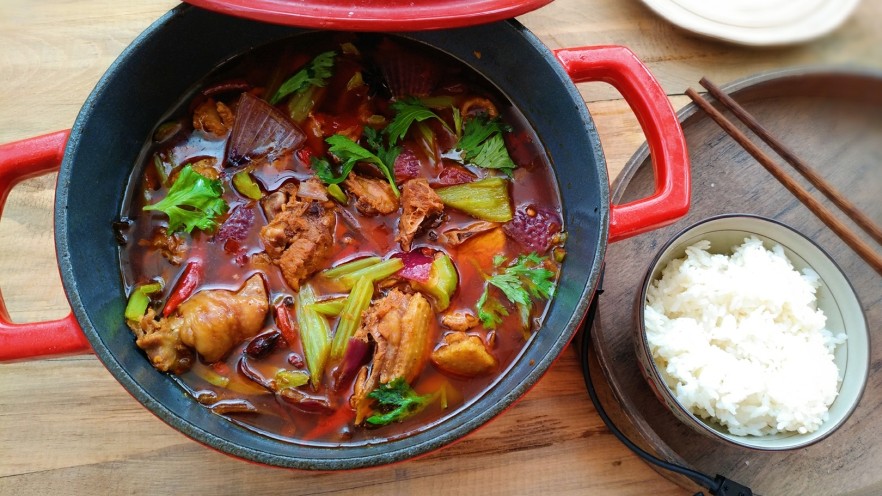
I usually serve this dish with a bowl of steamed rice—there’s nothing better than soaking up the rich sauce with fluffy white rice. Sometimes I’ll add a side of steamed greens (like bok choy or spinach) to balance out the richness. And if I’m feeling fancy, I’ll garnish it with a sprinkle of green onions or cilantro for a pop of color.
Last week, I made this for my friends, and they went crazy over it. One of them even asked for the recipe twice—she said it was the best braised ribs she’d ever had. I’m not gonna lie, I felt pretty proud of myself. This dish is so versatile—you can make it for a weeknight dinner, a weekend brunch, or even a special occasion. It’s easy enough for beginners, but impressive enough for company.
Final Thoughts
All in all, this taro braised ribs recipe is one of my go-to comfort foods. It’s warm, flavorful, and filling, and it’s perfect for when you want something that feels like a hug in a bowl. I hope you try it out and love it as much as I do. Let me know in the comments (if you’re reading this on my blog) how it turns out— I’d love to hear your thoughts!
Oh, and one last thing: If you’re new to cooking with taro, don’t be intimidated. It’s just like a potato, but with a nuttier flavor. And if you can’t find doubanjiang, you can substitute it with a mix of soy sauce and chili paste, but doubanjiang is really the star here. Trust me, it’s worth tracking down.
Okay, that’s it for now. Go grab your ingredients and get cooking—your taste buds will thank you. Happy braising!