

Why Vegetarian Stir-Fried Noodles (Chao Bing) Is My Go-To Weeknight Dinner
Let’s be real—after a long day at work or running errands, the last thing I want is to spend hours slaving over the stove. That’s where vegetarian stir-fried noodles (chao bing) comes in! It’s quick, it’s packed with veggies, and it’s so satisfying—you won’t even miss the meat. Plus, it’s a one-pan wonder, which means less cleanup. Win-win!
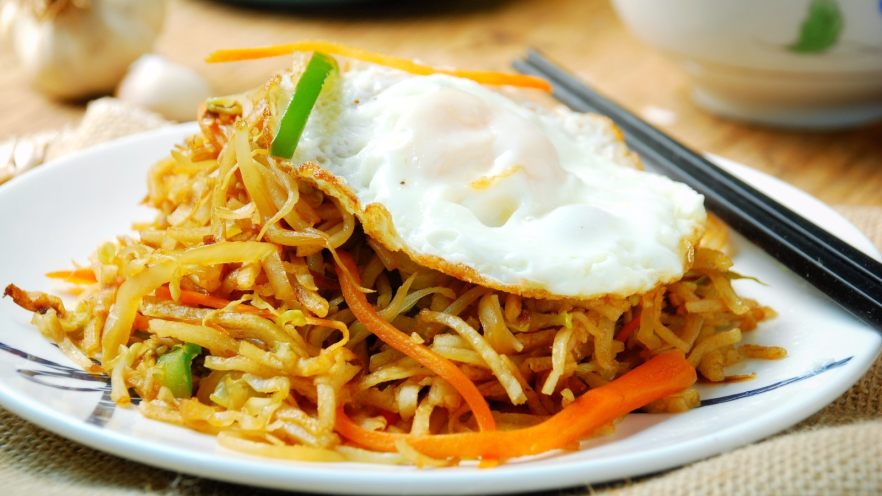
I used to think stir-fried noodles had to have meat to be flavorful, but boy, was I wrong. This vegetarian version is loaded with fresh veggies, savory sauce, and chewy noodle strands that soak up all the goodness. And adding a fried egg on top? Chef’s kiss It takes the whole dish to the next level, adding protein and that perfect runny yolk (if you like it that way—no judgment if you prefer it fully cooked!).
What You’ll Need (Ingredients List)
First things first: gather your ingredients. This recipe is super flexible, so feel free to swap out veggies based on what you have in the fridge. But here’s what I use for a classic, delicious batch:
- 800g pre-cut noodle strands (chao bing—you can find these at Asian grocery stores or make your own if you’re feeling ambitious)
- 1/2 head of Napa cabbage (or regular cabbage—whatever you have)
- 500g mung bean sprouts (fresh is best, but frozen works in a pinch)
- 1 carrot (peeled and ready to shred)
- 1/2 green bell pepper (adds a nice crunch and color)
- A handful of Sichuan peppercorns (for that subtle numbing flavor—skip if you don’t like it)
- 2 star anise (trust me, this adds so much depth to the sauce)
- 4 tbsp light soy sauce (for saltiness and umami)
- 2 tbsp dark soy sauce (for that rich, caramel color—don’t skip this! It makes the noodles look so appetizing)
- 1 stalk of green onion (chopped—green parts for garnish, white parts for sautéing)
- 8 garlic cloves (sliced—garlic is non-negotiable here, folks)
- 1 egg (for frying on top—optional but highly recommended)
- A bit of cooking oil (neutral oil like canola or peanut works best)
Step-by-Step Instructions: Let’s Make Chao Bing!
Okay, let’s get cooking. This is so easy, even if you’re a beginner in the kitchen. Just follow these steps, and you’ll have a delicious meal in no time.
Step 1: Prep All Your Veggies (Mise en Place, Baby!)

First, prep all your ingredients. I know, prepping can be a bit tedious, but it makes the cooking process so much smoother. Trust me—you don’t want to be chopping carrots while the pan is smoking!
- Wash the mung bean sprouts thoroughly and pat them dry (wet veggies can make the stir-fry soggy—ew).
- Shred the carrot into thin strips (a box grater works great here).
- Cut the green bell pepper into thin strips too—try to make them the same size as the carrot so everything cooks evenly.
- Chop the green onion: separate the white parts (for sautéing) from the green parts (for garnish).
- Slice the garlic cloves thinly—don’t mince them too small, or they’ll burn easily.
Step 2: Prep the Napa Cabbage


Napa cabbage is a star in this dish—it adds a nice crunch and soaks up the sauce perfectly. Here’s how to prep it:
- Cut the cabbage in half lengthwise, then remove the tough core (you can save it for soup if you want).
- Peel off the leaves one by one and wash them under cold water.
- Shred the cabbage into thin strips—again, try to keep the size consistent with the other veggies.
Step 3: Infuse the Oil with Aromatics


Now, let’s add some flavor to the oil. Heat a large wok or skillet over medium-high heat (woks are better for stir-frying because they get super hot, but a skillet works too).
- Add a tablespoon of cooking oil to the pan.
- Throw in the Sichuan peppercorns and star anise. Fry them for about 30 seconds until they’re fragrant—don’t burn them, or they’ll taste bitter!
- Use a slotted spoon to remove the peppercorns and star anise—we just want the flavor in the oil, not the actual spices in the dish.
Step 4: Sauté the Aromatics and Veggies


Time to get those veggies cooking! Add the white parts of the green onion and sliced garlic to the infused oil. Sauté for about 10 seconds until they’re fragrant—garlic cooks fast, so keep an eye on it!
Next, add the shredded carrot and Napa cabbage. Stir-fry them for 2-3 minutes until they’re slightly softened but still have a crunch. You don’t want them mushy—crunch is key here!
Step 5: Add the Sauce and Adjust the Liquid

Now for the flavor bomb! Pour in the light soy sauce and dark soy sauce. Stir everything together so the veggies are coated in the sauce. You’ll notice that the veggies might release some water—if there’s too much liquid, use a spoon to scoop some out. You want just a little bit of liquid left to steam the noodles, but not so much that the dish gets soggy.
Step 6: Steam the Noodle Strands

Add the pre-cut noodle strands to the pan. Use a spatula to toss them with the veggies and sauce, then spread them out evenly. Cover the pan with a lid and turn the heat down to medium-low. Let it steam for 5 minutes—this will help the noodles absorb the sauce and get nice and soft.
Step 7: Fry an Egg (Optional but Delicious)

While the noodles are steaming, let’s fry an egg! Heat a small pan over medium heat, add a tiny bit of oil, and crack an egg into it. Fry it to your liking—sunny-side up is my favorite because the yolk oozes over the noodles when you cut into it. Yum!
Step 8: Toss and Serve


After 5 minutes, remove the lid from the wok. Use a spatula to toss the noodles and veggies together until everything is well combined. If the noodles are still a bit dry, you can add a splash of water or more soy sauce, but be careful not to overdo it.
Transfer the stir-fried noodles to a plate, top with the fried egg, and sprinkle the green parts of the green onion on top. Voila—your delicious vegetarian chao bing is ready to eat!
Pro Tips for the Perfect Chao Bing
I’ve made this dish so many times, and I’ve learned a few tricks along the way. Here are my top tips to make sure your chao bing turns out perfect every time:
- Don’t overcook the veggies: You want them to be crisp-tender, not mushy. Stir-fry them quickly over high heat to retain their crunch.
- Drain excess liquid: Mung bean sprouts and cabbage release a lot of water when cooked. If there’s too much liquid, the noodles will get soggy. Use a spoon to scoop out the excess before adding the noodles.
- Use pre-cut noodles: Pre-cut chao bing noodles are available at most Asian grocery stores, and they save so much time. If you can’t find them, you can use fresh hand-pulled noodles or even leftover cooked noodles (just make sure they’re not too soft).
- Adjust the sauce to taste: If you like your noodles saltier, add more light soy sauce. If you want a deeper color, add a bit more dark soy sauce. Feel free to experiment!
- Serve with a side: Chao bing is delicious on its own, but it pairs perfectly with a bowl of tomato egg soup or a simple congee (rice porridge). It’s a complete meal that’s both filling and nutritious.
Final Thoughts
Vegetarian stir-fried noodles (chao bing) is one of my favorite weeknight meals. It’s quick, easy, and packed with flavor. Whether you’re a vegetarian or just looking to cut back on meat, this dish is sure to satisfy. Plus, it’s so versatile—you can add any veggies you have on hand, making it a great way to use up leftovers.
So next time you’re stuck on what to make for dinner, give this recipe a try. I promise you won’t be disappointed. And don’t forget the fried egg—trust me, it’s worth it!