

Quail Egg & Wood Ear Pork Rib Stew: Healthy College Entrance Exam Comfort Food

If you’re looking for a hearty, nutrient-packed meal to fuel up your high school senior during their college entrance exam prep, look no further than this quail egg and wood ear pork rib stew. I first made this dish last year when my niece was cramming for her gaokao, and she begged me to make it every single week leading up to test day. Not only does it taste like a warm, cozy hug, but every single ingredient packs a serious nutritional punch that’s perfect for busy, stressed-out students.
Why This Dish Is Perfect for Exam Season
Let’s be real: exam time means your kid is pulling late nights, skipping meals, and living off energy drinks and microwave popcorn. This stew fixes all that, and then some. Let’s break down the good stuff:
- Pork ribs: Not just a tasty comfort food! Pork ribs are loaded with high-quality protein, calcium that’s great for growing bodies, and even has traditional benefits like supporting blood health and boosting energy.
- Quail eggs: These tiny powerhouses are nicknamed “animal ginseng” for a reason! They’re packed with protein, vitamins, calcium, and phosphorus, plus lecithin and cephalin that help support brain function and improve memory. Total game-changer for cramming sessions.
- Wood ear mushrooms: These chewy, mild mushrooms add great texture to the stew, plus they’re full of fiber and nutrients that help support overall digestion and energy levels.
Seriously, this one dish covers protein, brain fuel, and steady energy to get your teen through their longest study days. No more mid-afternoon slumps!
Full Ingredient List (For 2-3 Servings)

Before you get started, gather up all these ingredients. I like to prep everything ahead of time so I don’t have to run around the kitchen mid-stew:
- 300g pork ribs (ask your butcher to cut them into 2-inch pieces for easy eating)
- 200g quail eggs (about 20-25 small eggs)
- 1 small handful of dried wood ear mushrooms (rehydrated)
- 1 small handful of rock sugar
- 3 slices of fresh ginger
- 2 small red chili peppers (optional, for a tiny bit of heat)
- 1 whole star anise
- 1 bay leaf
- 1 slice of licorice root (adds a subtle sweet, warm flavor)
- 1 small cinnamon stick
- 1 tsp whole cumin seeds
- 2 tbsp Chinese cooking wine
- 2 tbsp light soy sauce
- 1 tsp ground white pepper
- Salt and vegetable oil (as needed)
- Chopped green onions (for garnish, optional)
Pro tip: If you don’t have licorice root or cumin on hand, don’t stress! You can skip them and the stew will still taste amazing. I only add them because they add a really nice depth of flavor that makes this dish feel special, not just a regular weeknight dinner.
Step-by-Step Tutorial to Make the Stew
Step 1: Prep your quail eggs first

Start with the quail eggs because they need a little extra time to cool and peel. Fill a small pot with cold water, add a pinch of salt, and drop in the quail eggs. Turn the heat to high and bring the water to a rolling boil, then let it boil for exactly 3 minutes. Turn off the heat, cover the pot, and let the eggs sit for 10 more minutes. This gentle resting time makes the eggs super easy to peel!
Once the time is up, drain the hot water and run the eggs under cold water for a few minutes. Gently tap each egg on a hard surface to crack the shell all over, then peel off the shells. I know this part can be tedious, but trust me—peeled quail eggs look so cute in the stew, and everyone loves popping them whole into their mouth!
Step 2: Blanch the pork ribs


Next up: the ribs. Place the pork ribs into a large pot filled with cold water. Turn the heat to high and bring the water to a boil. You’ll see a bunch of gray foam rise to the top—that’s all the blood and impurities in the ribs! Skim off as much foam as you can with a slotted spoon, then let the ribs boil for another 5 minutes. Drain the ribs and rinse them under cold water to get rid of any leftover foam. This step is non-negotiable if you want a clear, flavorful stew without any gamey aftertaste.
Step 3: Build the flavor base

Heat a little vegetable oil in a Dutch oven or heavy-bottomed pot over medium heat. Add the ginger slices, star anise, bay leaf, cinnamon stick, licorice root, and cumin seeds. Stir them around for 30 seconds until you can smell the warm, fragrant aroma filling your kitchen. Don’t let the spices burn—they’ll turn bitter fast!
Add the blanched pork ribs to the pot and stir them around to coat them in the spiced oil. Cook the ribs for 5-7 minutes, stirring occasionally, until the edges start to turn golden brown. This step seals in the juices and gives the ribs a nice caramelized crust.
Step 4: Add color and flavor


Add the rock sugar to the pot and stir constantly until the sugar melts and turns a light amber color. Don’t walk away here—this happens quickly! The sugar will add a beautiful glossy color to the ribs and a subtle sweet flavor that balances out the savory soy sauce.
Pour in the cooking wine and light soy sauce, stirring everything together to coat the ribs in the sauce. Let the mixture cook for another 2 minutes so the alcohol cooks off and the flavors meld together.
Step 5: Simmer everything together


Transfer the rib and sauce mixture to a clay pot or slow cooker (a Dutch oven works great too!). Add enough hot water to just cover the ribs. Bring the pot to a boil, then reduce the heat to low, cover it, and let it simmer for 30 minutes.
After 30 minutes, add the rehydrated wood ear mushrooms and the peeled quail eggs. Give everything a gentle stir, then add a tiny pinch of salt (remember, we’ll add more at the end!). Let the stew simmer for another 20 minutes so all the flavors can come together.
Step 6: Finish and serve


Once the stew has finished simmering, turn the heat up to high to reduce the sauce. Stir constantly so it doesn’t stick to the bottom of the pot. You’ll know it’s ready when the sauce thickens and coats the back of a spoon. Taste the stew and add more salt and ground white pepper to adjust the seasoning.
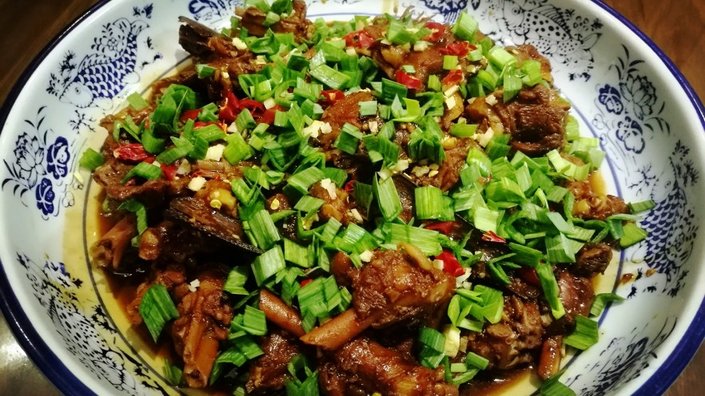
Turn off the heat, sprinkle some chopped green onions over the top if you have them, and serve the stew hot with a bowl of steamed rice. Your teen will love digging into the tender ribs, chewy wood ear mushrooms, and tiny, savory quail eggs.

Pro Tips for Perfect Stew Every Time
- Easy peeled quail eggs: Adding salt to the boiling water makes the egg shells slide right off, no tedious peeling required. You can also soak the boiled eggs in ice water for 10 minutes to make peeling even faster.
- No more gamy ribs: Blanching the ribs in cold water and skimming off the foam is the key to a clean, great-tasting stew. Skipping this step will leave your stew with a bitter, metallic aftertaste.
- Salt at two stages: We added a tiny pinch of salt when we first added the quail eggs and mushrooms, and then more at the end. This makes sure the quail eggs absorb flavor without making the whole stew too salty.
- Customize the heat: If your teen loves a little spice, add the red chili peppers when you fry the spices. If they hate spicy food, just skip them entirely!
- Make ahead hack: You can make this stew up to 3 days ahead of time and store it in the fridge. It actually tastes even better the next day because the flavors meld together even more!
Final Thoughts
Exam season is stressful enough without worrying about making healthy, tasty meals for your kid. This quail egg and wood ear pork rib stew is easy to make, packed with nutrients, and tastes like a warm, comforting treat that your teen will look forward to after a long day of studying. Whether you’re making it for a gaokao student, a busy college student, or just your family for a weeknight dinner, this stew is sure to become a new favorite.
Trust me, once your family tries this, they’ll be asking for it every week. Let me know how it turns out for you!