


Introduction to Angelica Pigeon Soup

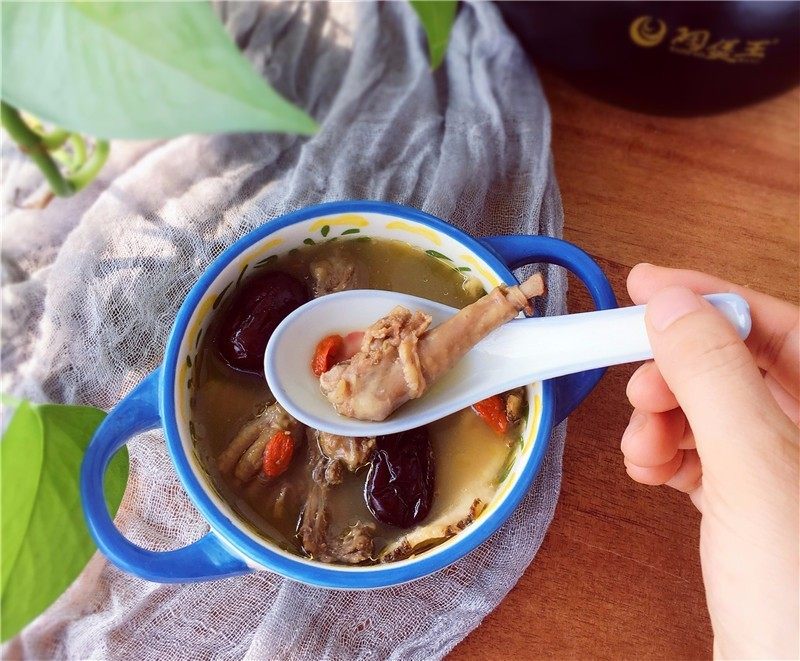
Let me start by telling you a little secret my grandma swore by: “One pigeon is worth nine chickens.” Okay, maybe that’s a bit dramatic, but trust me, this Angelica Pigeon Soup is no ordinary dish. If you’ve ever struggled with low energy, blood deficiency, or just need a good pick-me-up after an illness, this soup is your new best friend. Pigeon meat is basically a superfood—packed with vitamins, minerals, and proteins that nourish your liver, kidneys, and blood. It’s also great for reducing inflammation, boosting circulation, and even helping with that post-workout recovery. But why did I decide to make this specific version? Well, let’s just say my nephew had a little accident last month. He tripped while running home from school, and we needed something to help with the swelling and pain. Enter: the ancient Chinese wisdom of “When blood stasis is removed, new bones grow.” This soup is all about breaking up clots, reducing swelling, and speeding up healing. Plus, it’s a “cooling” soup, so you can sip it even on hot summer days without feeling like you’re overheating. Let’s get into the details!
Ingredients You’ll Need
First, let’s gather all the ingredients. You’ll need:
- 1 whole pigeon (cleaned, with head, feet, and buttocks removed, cut into pieces)
- 10g Panax Notoginseng (Sanqi) – this stuff is a bone-healing legend!
- 10g Angelica Sinensis (Danggui) – the blood-circulation star
- 2 red dates (remove pits if you’re sensitive to heat)
- 8 wolfberries (gouqi) – adds a sweet, earthy flavor
- 1 small piece of rock sugar (for subtle sweetness)
- 1 tsp cooking wine (to remove any “gamey” taste)
- 3.5 bowls of water (adjust based on your pot size)
- 2 slices of ginger (for warmth and flavor)
- pinch of salt (to season at the end)
- Fracture-Friendly: This soup is excellent for anyone with early-stage fractures (1-2 weeks post-injury). The Panax Notoginseng and Angelica work together to reduce swelling and speed up bone growth. My nephew’s ankle felt better in a week—no joke!
- All-Season Magic: Yes, even in summer! The “cooling” properties of the ingredients mean you won’t feel overheated. Just skip the red date pits if you’re sensitive to heat.
- Blanching Hack: Blanch the pigeon quickly (1-2 minutes max) to avoid losing nutrients. Rinsing with cold water stops the cooking and keeps the meat tender.
- Water is Key: Add all the water at once! No adding water halfway—clay pots hold heat, but you still need to plan ahead. If your pot is bigger, add 4 bowls instead of 3.5.
- Pit Removal: Red dates with pits can make the soup “hotter” if you’re sensitive. Soaking them and removing pits is easy—just slice the date and pop out the pit. Trust me, your throat will thank you!
Step-by-Step: How to Make This Healing Soup
Alright, let’s get cooking! This recipe is beginner-friendly, but follow these steps to get that perfect balance of flavor and nutrition. Let’s start with the first step:
Step 1: Prep the Pigeon

First, take your cleaned pigeon. If it still has the head, feet, or buttocks, snip those off (we don’t want those in the soup!). Rinse the pigeon under cold water, then cut it into small chunks. Pro tip: Don’t make the pieces too big—they’ll cook faster and more evenly. Trust me, this is the easiest part, but take a second to make sure it’s all clean!
Step 2: Blanch the Pigeon

Bring a pot of water to a boil (about half a pot full). Add the pigeon pieces and let them blanch for just 1-2 minutes. You’ll see a cloudy residue rise to the top—that’s just the impurities from the pigeon, so we need to remove that! After 1-2 minutes, scoop out the pigeon with a slotted spoon and rinse it under cold water immediately. This stops the cooking process and locks in all those nutrients. Don’t leave it in too long, though—we want to keep the meat tender, not tough!
Step 3: Start the Soup Base

Now, grab your largest pot (I use a clay pot for slow cooking, but any heavy-bottomed pot works). Add the blanched pigeon pieces and pour in 3.5 bowls of water. Make sure to measure this out first—no adding water halfway through, okay? I learned the hard way once by adding water late, and it totally messed up the texture. So plan ahead!
Step 4: Add Ginger and Wine

Add 2 slices of ginger—this adds a nice warmth and cuts through the richness of the pigeon. Then, pour in 1 tsp of cooking wine. This is to get rid of any “gamey” flavor and make the soup taste fresh. Stir everything gently and bring it to a boil.
Step 5: Skim the Foam

Once the water starts boiling, you’ll see a layer of foam on top. That’s the impurities from the pigeon and ginger! Use a slotted spoon to scoop that out—trust me, it makes a huge difference in the final soup. You don’t want that foam in your bowl, right? It’ll make the soup taste cloudy, so take 30 seconds to clean that up.
Step 6: Add the Medicinal Herbs

Now, let’s add the stars of the show: Panax Notoginseng and Angelica Sinensis. These are the “medicinal” ingredients that make this soup special. Rinse them quickly (they’re usually a bit dusty) and add them to the pot. These two work together to boost blood circulation and heal bones—perfect for anyone recovering from an injury!
Step 7: Add Dates and Wolfberries

Next, add 2 red dates and 8 wolfberries. If you’re worried about getting “hot” (like if you’re sensitive to spicy foods), take a second to remove the pits from the red dates. Pits can make the soup a bit more warming, so this is a smart move to keep things balanced. If you don’t mind, go ahead and leave the pits in—they add a nice natural sweetness!
Step 8: Sweeten with Rock Sugar

Add 1 small piece of rock sugar. It’s not too sweet, just enough to enhance the flavors without overpowering everything. Stir it in and let the soup simmer gently for 1.5-2 hours. Pro tip: Clay pots hold heat super well, so after turning off the stove, let it sit for 10 more minutes. It’ll keep cooking and the flavors will get even richer!
Step 9: Season with Salt

When it’s time to serve, taste the soup and add a pinch of salt. Start with a little and adjust to your liking—remember, the soup will taste better as it cools slightly. Then, serve it hot! You can eat the meat with the soup, or just sip the broth alone—it’s all delicious.
 Wait, did I forget to mention the final step? Oh right! After simmering, turn off the heat, let it rest for 10 minutes, then season with salt. You’re done! The soup should be rich, warm, and absolutely perfect for healing.
Pro Tips for the Best Soup Ever
Before you dive in, here are some extra tips to make your soup shine:
 So there you have it! This Angelica Pigeon Soup isn’t just a meal—it’s a hug in a bowl. Whether you’re recovering from an injury, feeling tired, or just want to treat yourself, this recipe has you covered. The best part? It’s super easy to make, even if you’re new to Chinese cooking. Let me know how it turns out—I bet you’ll be hooked after the first sip!


