


Lantern Festival & Osmanthus Honey Bean Tangyuan: A Sweet, Festive Treat
Hey there, foodies! 👋 Let’s be real—after weeks of dumplings, dumplings, and more dumplings during Chinese New Year, sometimes you just need a sweet treat to wrap up the celebrations, right? That’s where this osmanthus honey bean tangyuan comes in! Lantern Festival is all about family, light, and warmth, and there’s no better way to embrace that than with a bowl of these cozy, chewy little rice dumplings. Let me tell you, this stuff is so good, I might just make it every day until spring!
First off, let’s talk about the vibe. Lantern Festival marks the last day of the Lunar New Year celebrations, so it’s like a mini-celebration to say, “Yep, we’re done with dumplings, but we’re not done with sweet stuff yet!” And what’s more sweet than tangyuan? These little round dumplings symbolize family reunion and completeness, which is why they’re a must-have for the occasion. Plus, adding osmanthus honey beans takes it from “basic” to “oh my gosh, this is what I’ve been missing!”
Let’s break down why this recipe is a game-changer. The osmanthus flowers give it that unique, sweet floral aroma that’s just chef’s kiss, while the honey beans add a rich, creamy sweetness that balances the tangyuan’s chewy texture. It’s like a party in your mouth, and you can eat it with a spoon or just pick the tangyuan out—either way, you’re gonna love it!
Why This Recipe is Perfect for Lantern Festival
Okay, let’s get into the nitty-gritty. This osmanthus honey bean tangyuan is perfect for a few reasons:
1. Easy to Make: No fancy tools or ingredients needed! You can grab everything from your local supermarket, and it only takes about 15-20 minutes from start to finish. Perfect if you’re hosting a last-minute Lantern Festival get-together and need something impressive without the stress.
2. Versatile: You can adjust the sweetness by adding more or less osmanthus sugar, and if you’re not into honey beans, swap them for red beans, black beans, or even mung beans! It’s your canvas—paint it however you like.
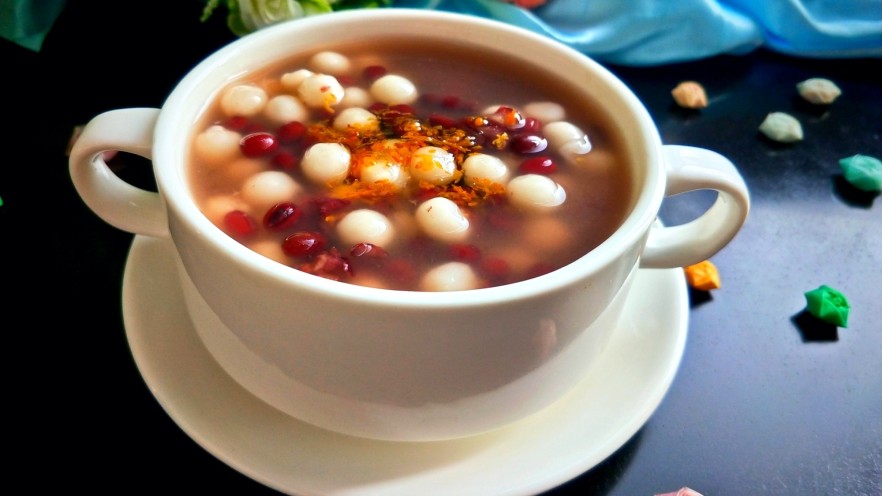
3. Festive Aesthetic: Let’s be honest, nothing says “Lantern Festival” like a bowl of these golden, red, and white tangyuan. The osmanthus sugar drizzle adds a pop of color, making it Instagram-worthy. Trust me, your friends will be begging for the recipe.
4. Cozy & Comforting: There’s something about a warm bowl of tangyuan that feels like a hug, especially when it’s cold outside. Lantern Festival often falls in winter, so this is the ultimate comfort food to warm you up.
Okay, enough gushing—let’s get to the recipe!
Ingredients You’ll Need (No Fancy Stuff Here!)
Let’s start with the star ingredients. I’ll list them out with my personal picks and tips for substitutes, just in case you can’t find something:
- Tangyuan (Glutinous Rice Dumplings): These are the little round dumplings you’ll be boiling. I used store-bought ones from the supermarket—specifically the “Nostalgia” brand, which is soft and chewy without being too sweet. If you’re feeling ambitious, you can make your own dough, but let’s keep it simple here! Pro tip: Avoid the ones with weird fillings (like nuts or chocolate) unless you want extra flavors, but the plain ones work best for this recipe. I used 100g, but adjust based on how many people you’re serving.
- Honey Beans (Red Beans Sweetened with Honey): These are the flavor boosters! Red beans are classic in Chinese desserts, and adding honey makes them even more delicious. I made my own honey beans yesterday (recipe coming soon if you’re curious!), but you can find pre-made ones in the Asian aisle of your local grocery store. Look for “sweet honey beans” or “red bean paste with honey”—just make sure they’re not too watery. I like mine thick and creamy, so check the texture before buying!
- Osmanthus Sugar: The secret ingredient! This is what gives the dish that unique floral aroma. I use osmanthus sugar syrup from a jar, but you can also make your own by steeping dried osmanthus flowers in sugar water. Either way, you need that sweet, fragrant osmanthus to elevate the tangyuan. If you can’t find osmanthus, try a small amount of rose water or lavender sugar for a similar effect, but osmanthus is traditional here, so I’d stick with it if possible.
- Water: You’ll need enough water to cover the tangyuan and honey beans while cooking. About 1-2 cups should do it—no need to measure precisely, but too little water might burn the bottom, and too much will make the soup dilute. Trust me, I’ve spilled hot water all over my kitchen counters before… not fun.
Quick ingredient checklist:
- 100g tangyuan (store-bought or homemade)
- 50-70g honey beans (pre-made or homemade)
- 1-2 tbsp osmanthus sugar (adjust to taste)
- 1-2 cups water (for cooking)
Step-by-Step Guide: Let’s Get Cooking!
Alright, let’s roll up our sleeves and make these beauties. I’ll walk you through each step with my personal experiences (and some horror stories to avoid!), so pay attention!
Step 1: Prep Your Ingredients & Take a Cute Pic (Optional, But Fun!)
Before you start, gather all your ingredients on the counter. Tangyuan in one bowl, honey beans in another, osmanthus sugar in a small dish, and the pot nearby. This helps you avoid scrambling halfway through. Also, if you’re taking photos for social media, set up your camera or phone now—you’ll want a shot of the finished product later! I took a quick pic of the ingredients first, just to show you how organized I am… or at least try to be. 😂

Step 2: Get Your Tangyuan Ready
Okay, first things first—your tangyuan! I’m using store-bought ones, but if you’re making your own, go for it! Just make sure the dough is soft and not too dry. If you’re using store-bought, check the package to ensure they’re not filled with anything weird (like raisins or nuts, which might clash with the honey beans). I measured out 100g, which is about ½ a cup, so adjust based on how hungry you are or how many people you’re serving. Pro tip: Don’t overfill the pot—you’ll need space for the tangyuan to float!

Step 3: Prep the Honey Beans (Optional: Make Them Homemade!)
Next up, the honey beans! If you’re using pre-made, just rinse them quickly to remove excess syrup (if they’re too watery). If you’re making your own, boil red beans in water until soft, then add honey and a pinch of sugar. Let me tell you, homemade honey beans taste so much better, but pre-made is a lifesaver when you’re short on time. I once made honey beans from scratch and they were the best—sweet, creamy, and so flavorful. But if you’re in a rush, the store-bought ones work too! Just make sure they’re not too runny—you want them to be thick and hold their shape.

Step 4: Fill the Pot with Water (And Avoid Disaster!)
Now, grab a medium-sized pot—any pot will work, but make sure it’s clean (no leftover curry from last night, trust me!). Fill it with water until it’s about ¾ full. Why ¾? Because if you fill it all the way, the water will boil over when you add the tangyuan, and you’ll end up with a soggy kitchen floor. I’ve done this before… let’s just say my cat now avoids that corner. 😩 So, ¾ full is the sweet spot. Add a pinch of salt if you’re worried about the tangyuan sticking together—some people say it helps, but I’m not sure, but it can’t hurt!

Step 5: Add Honey Beans & Bring to a Boil
Now, add your honey beans to the pot. Stir them gently to distribute them evenly. Then turn the heat up to medium-high and let the water come to a boil. I love watching the honey beans dance in the water—their vibrant red color is so pretty! The boiling water should make the honey beans start to soften, releasing their sweetness. Keep an eye on the pot—if it boils too fast, the water might splash, so maybe lower the heat slightly while they’re coming to a boil.

Step 6: Simmer the Beans for Softness (Patience is Key!)
Once the water is boiling, turn the heat down to low and let the honey beans simmer for 5-7 minutes. This is crucial for softening them up—you want them to be tender but not mushy. I stir them every minute or so to prevent sticking. The steam from the pot might fog up your camera, so my photos here aren’t the best, but trust me, the end result is worth it. I once forgot to stir and the beans stuck to the bottom—they turned black! Not good. So stir occasionally!

Step 7: Add the Tangyuan to the Pot (Be Gentle!)
Now, it’s time to add the tangyuan! Slowly pour them into the pot, being careful not to splash hot water everywhere (I’m still recovering from my earlier spill trauma). Use a slotted spoon to gently place them in, so they don’t break. If you add them all at once, they might clump together, so spread them out with the spoon. I like to add them one by one, just to be safe. The tangyuan will sink to the bottom, but that’s okay—they’ll float up soon enough!

Step 8: Bring the Water Back to a Boil (And Stay Alert!)
Turn the heat up to medium-high again and let the water boil. I know, steam is annoying, but it’s all part of the process! Keep an eye on the tangyuan—they’ll start to float once they’re cooked. If the water boils too vigorously, the tangyuan might crack, so you can lower the heat a bit if needed. I’ve had tangyuan pop like little explosions before—don’t ask. It’s messy, and cleanup is a pain. So keep the heat on medium, not high!

Step 9: Watch for the Tangyuan to Float (Your Signal to Stop!)
Ah, the magic moment! Once the tangyuan start floating to the top, you know they’re done! This is the key step—don’t overcook them, or they’ll turn mushy. I usually count 30 seconds after they start floating, just to be sure, but honestly, as soon as they’re up, they’re ready. I remember my first time making tangyuan, I cooked them for 5 minutes after floating, and they were like little balls of rubber. Not good. So listen up: float = done! 🏊♀️
Step 10: Scoop the Tangyuan into a Bowl (Or Cup, If You’re Feeling Fancy!)
Use a slotted spoon to gently lift the tangyuan out of the pot. Let the excess water drip off, then place them into your favorite bowl or cup. I used a cute glass cup because I wanted to show off the layers—tangyuan at the bottom, honey beans in the middle, and osmanthus sugar on top. It’s like a mini party in a cup! If you’re serving multiple people, use a bowl and add more honey beans and tangyuan. I like to add an extra scoop of honey beans for extra sweetness, but that’s just me!
Step 11: Drizzle With Osmanthus Sugar (The Flavor Boost!)
Now, the final touch—osmanthus sugar! This is where the magic happens. Pour about ½ to 1 tablespoon of osmanthus sugar over the tangyuan. If you’re using osmanthus syrup, pour a few tablespoons in. The more you add, the sweeter it gets, but I’d recommend not overdoing it—you want the natural sweetness of the honey beans to shine through. I’ve added too much before and ended up with a cloyingly sweet mess. Lesson learned: less is more with osmanthus! 🌸

Step 12: Decorate & Enjoy! (The Best Part!)
Now, it’s time to make it Instagram-worthy! Add a few extra osmanthus flowers or a sprinkle of honey beans on top for decoration. Take a photo for your feed—you’ll get so many likes, trust me! Then, dig in! I swear, the first bite is pure joy. The tangyuan are chewy, the honey beans are sweet and creamy, and the osmanthus adds that perfect floral kick. It’s like a warm hug for your taste buds. Pair it with a cup of green tea for the ultimate balance—sweet and savory together! 🍵
Tips & Tricks to Avoid Tangyuan Disaster
Let me share some pro tips I wish I knew before I started cooking. These will save you from the common mistakes I’ve made (and trust me, there are many!):
- Tangyuan Float = Done! As soon as they start floating, you can stop cooking. Overcooking makes them mushy and prone to breaking. I once left them in for too long, and they turned into a weird paste. Not edible. So watch for that float—your best friend.
- Don’t Overcrowd the Pot! If you put too many tangyuan in the pot at once, they’ll stick together and not cook evenly. I learned this the hard way when I tried to cook 200g in one go and ended up with a mushy ball instead of individual tangyuan. Use a small pot for small batches, or cook in two rounds.
- Check the Water Level! If the water evaporates too much, the tangyuan might burn on the bottom. Add more water if needed, but make sure it’s hot water to prevent the pot from cracking. I add a splash mid-cooking sometimes to keep it from drying out.
- Store Leftovers Properly! If you have extra tangyuan, store them in an airtight container in the fridge for up to 2 days. To reheat, add a splash of water and microwave for 1 minute, or boil them until they float again. They won’t be as fresh, but still delicious!
- Use Fresh Ingredients! The better the ingredients, the better the taste. I once used old honey beans that had gone bad, and it tasted like vinegar. Yikes! Always check expiration dates and freshness before using.
Final Thoughts: Why You Need This Recipe
So, there you have it—a delicious, easy, and festive recipe for osmanthus honey bean tangyuan that’s perfect for Lantern Festival. Whether you’re celebrating with family, friends, or just by yourself, this sweet treat will bring joy and warmth to your celebration. It’s affordable, customizable, and most importantly, so delicious. I’ve made this recipe multiple times, and it never fails to impress. My roommates beg me to make it every weekend now—can you blame them? It’s that good.
I hope you give this recipe a try. Tag me in your photos if you do—I’d love to see your version! And if you have any questions or want to share your own tangyuan hacks, drop a comment below. Happy cooking, and happy Lantern Festival! May your tangyuan always float and your osmanthus sugar never be too sweet. 🏮
Lantern Festival,Osmanthus Honey Bean Tangyuan,Tangyuan Recipe,Chinese Dessert,Easy Tangyuan Recipe,Osmanthus Recipe,Honey Bean Tangyuan,Sweet Festive Treat,Homemade Tangyuan,Cozy Winter Dessert


