

Why This Spicy Pork Belly Dish Is a Game-Changer
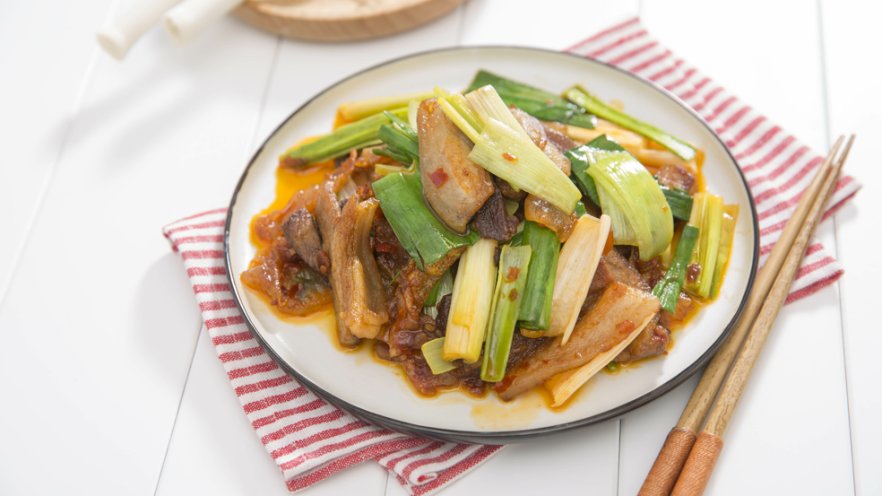
Alright, foodies—let me introduce you to the dish that’s been my go-to comfort food lately: Shao Pi Huiguorou. If you’re tired of boring stir-fries and crave something with a bold Sichuan twist, this one’s for you. Picture this: tender, fatty pork belly stir-fried with these chewy, sweet potato starch sheets called “Shao Pi.” It soaks up all the savory juices from the pork, turning every bite into a flavor explosion. Trust me, after the first taste, you’ll be hooked. This isn’t just a recipe; it’s a flavor adventure you won’t want to miss!
What Makes Shao Pi Huiguorou So Special?
Okay, let’s break down the magic here. Traditional Huiguorou is great, but adding Shao Pi takes it to another level. The sweet potato starch sheets (shao pi) are like little flavor sponges—they absorb the pork’s fat and all those spicy-sweet seasonings. That means every mouthful has the perfect balance of crispy, chewy, salty, and slightly sweet. It’s like the meat and the cake are having a party in your mouth, and I’m here for it. Plus, it’s super versatile—you can adjust the spice or the texture to your taste. Let’s get cooking!
Ingredients You’ll Actually Need (No Fancy Stuff!)
First, grab all these ingredients—no need to hunt down obscure spices, I promise. Everything is easy to find at your local grocery store or Asian market:
- 200g pork belly (the fatty kind—don’t skimp!)
- 30g sweet potato starch (this is the secret for shao pi’s chewy texture)
- 40g garlic sprouts (chopped, fresh if possible)
- 35g ginger slices (we’ll use some for boiling, some for stir-frying)
- 2 tsp sugar (balances the saltiness)
- 1 tsp salt (to bring out all the flavors)
- 1 tbsp cooking wine (keeps the pork tender)
- 20g Sichuan peppercorns (for that signature numbing-spicy kick)
- 1 tsp white pepper (adds a subtle warmth)
- 1 tbsp Pixian broad bean paste (the star of the show—get the real stuff!)

Step 1: Gather All Your Ingredients
Before you start cooking, lay out everything on your counter. It’s way easier than scrambling around halfway through. Check that you have all the spices and ingredients measured—no one likes a surprise missing ingredient mid-stir-fry!

Step 2: Measure the Sweet Potato Starch
Now, scoop 30g of sweet potato starch into a bowl. This might seem small, but it’s crucial for the texture of your shao pi. If you use too little, the sheets will be too thin; too much, and they’ll be rubbery. Stick to the 30g—you’ll thank me later!

Step 3: Add Water to Make the Batter
Pour 50ml of water into the bowl with the starch. Stir it quickly with a spoon until it’s smooth—no lumps allowed! The batter should be thick but pourable. If it’s too watery, add a little more starch; if it’s too thick, splash in a drop more water. You want that “silky” consistency, not runny or stiff.

Step 4: Let the Batter Rest (Just 5 Minutes!)
Set the batter aside for 5 minutes. This helps the starch absorb the water fully, so your shao pi comes out perfectly chewy instead of soggy. While that rests, prep your pork belly—we’ll need it soon!

Step 5: Heat the Pan and Cook the Shao Pi
Take a non-stick pan and heat it over medium-low heat. Add just a tiny bit of oil—like, a drizzle, not a flood! Pour the batter into the pan and spread it out with a spatula to form a thin, round sheet. Let it cook for 2-3 minutes until the edges start to brown. Then flip it gently and cook the other side for another minute. It should be crispy on the outside and soft on the inside—just like a little flavor cookie!

Step 6: Slice the Shao Pi into Strips
Once the shao pi is cool enough to handle, slice it into wide strips (about 1-inch wide). These strips will be the stars of the show—they’ll soak up all that porky goodness later. Set them aside in a bowl for now.

Step 7: Prep the Pork Belly
Take your 200g of pork belly and rinse it under cold water. Pat it dry with paper towels—wet pork won’t cook evenly! Then, slice it into thin pieces (about ¼-inch thick). The thinner the slices, the crispier they’ll get when stir-frying. Trust me, I’ve tried thick slices before—they’re just not as good.

Step 8: Boil the Pork Belly for Tender Texture
Add the pork belly to a pot with 20g of Sichuan peppercorns, 20g of ginger slices, and enough water to cover the pork. Bring it to a boil, then reduce the heat to low and simmer for 10 minutes. This softens the pork without drying it out. While it boils, your kitchen will smell amazing—like a warm hug of spices!

Step 9: Slice the Cooked Pork Belly
After 10 minutes, take the pork out of the pot and let it cool for 5 minutes. Then slice it into thin strips—same size as the shao pi strips, so they cook evenly. If you’re impatient, you can slice it while it’s warm, but be careful not to burn your fingers! Safety first, foodie pride second.

Step 10: Stir-Fry the Pork Belly with Spices
Heat a clean pan over medium heat and add a tablespoon of oil. Once the oil is shimmering, add the sliced pork belly. Stir-fry for 5 minutes until it starts to get crispy around the edges. Then add the remaining 15g of ginger slices and cook for another minute. The ginger will infuse the pork with a fresh, spicy aroma—so good!

Step 11: Add the Pixian Broad Bean Paste
Now, pour in the Pixian broad bean paste (the secret weapon!). Stir it in well to coat the pork evenly. This is what gives Shao Pi Huiguorou its iconic red color and that deep, fermented umami flavor. Don’t skimp on this—use the good stuff! If you can’t find Pixian, skip it and I’ll personally come judge your cooking skills.

Step 12: Toss in the Shao Pi and Cook
Add the shao pi strips to the pan and stir everything together. The shao pi will start to soak up the pork fat and sauce—this is where the magic happens! Let it cook for 3 minutes, stirring occasionally, until the shao pi is heated through and glossy. It should look like it’s covered in a delicious, sticky sauce—yum!

Step 13: Season with Sugar, Salt, and Pepper
Now, add the 2 tsp sugar, 1 tsp salt, and 1 tsp white pepper. Stir everything in and cook for another minute. The sugar balances the salt and adds a subtle sweetness, while the white pepper gives a gentle warmth. Taste as you go—if it’s too salty, add a pinch more sugar; if it’s too sweet, a little salt will fix it. Perfecting the flavor is half the fun!

Step 14: Add Garlic Sprouts for Freshness
Finally, toss in the garlic sprouts. Stir them in quickly—they only need 30 seconds to cook. The garlic sprouts add a bright, fresh crunch that cuts through the richness of the pork and shao pi. You’ll smell that garlicky goodness immediately—drool alert!

Step 15: Serve and Enjoy!
Turn off the heat and scoop your Shao Pi Huiguorou onto a plate. Garnish with extra garlic sprouts if you’re feeling fancy. Now, grab a bowl of rice and dig in! This dish is best eaten hot, with the shao pi chewy and the pork belly crispy. You’ll be mopping up the last bit of sauce with your spoon—don’t deny it, we’ve all done it.

My Pro Tips for Extra Deliciousness
Okay, let’s share some insider secrets to make your Shao Pi Huiguorou even better than mine:
- Use the right Pixian Broad Bean Paste: Trust me, Juancheng brand is the best. It’s spicy, salty, and fermented just right. Other brands are… let’s say, a letdown. Save yourself the disappointment and invest in the good stuff!
- Oil when frying shao pi: Remember, use very little oil. Too much makes the shao pi soggy, and we want that crispy outside. A non-stick pan is your best friend here—no burnt shao pi allowed!
- Thin pork slices: If your pork is too thick, it won’t cook evenly. Thinly slicing the pork before boiling is the key to crispy, tender perfection. Your knife game needs to be strong here, but if not, just ask a friend to help!
- Pro move: If you’re feeling adventurous, add a pinch of Sichuan chili flakes to the mix. It’ll give it an extra kick that’ll make you want to shout, “This is the best thing I’ve ever made!”
Why This Dish Will Become Your New Obsession
Let me be real—Shao Pi Huiguorou is not just a dish; it’s a lifestyle. The chewy shao pi, the crispy pork belly, and that perfect balance of spicy, salty, and sweet… it’s like a flavor explosion in your mouth. I’ve made this dish for friends, and without fail, they’re all asking for the recipe the next day. It’s the kind of dish you’ll want to serve at parties, bring to potlucks, and even take to work for lunch (just make sure you don’t get caught eating it all in 5 minutes).
So, what are you waiting for? Grab your ingredients, put on your favorite cooking playlist, and get ready to make a dish that’ll make your taste buds sing. Trust me, once you try this, you’ll never go back to plain old Huiguorou. Happy cooking, and enjoy every bite!


