




Soft Red Bean Dinner Rolls: A Sweet & Fluffy Delight You’ll Love
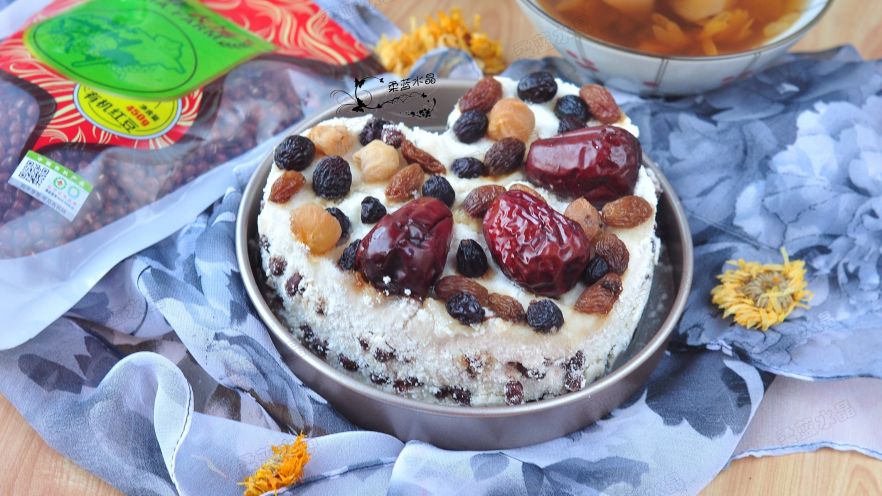
Oh my gosh, let me tell you about these soft red bean dinner rolls! They’re the kind of recipe that makes you go, “Why didn’t I try this sooner?!” Whether you’re craving a warm, sweet breakfast or a cozy snack with tea, these little beauties hit the spot. Plus, red beans are basically a superfood here—packed with amino acids, they help lower blood pressure, cool you down in summer, reduce swelling, and even support your spleen. Talk about a win-win! Let’s dive into how to make them.
Ingredients: The Stars of the Show
First, let’s gather everything you need. No fancy tools required—just your basic kitchen staples!
For the red bean filling (makes enough for 20 rolls):
- 400g dried red beans (soaked overnight, then cooked)
- 1-2 tablespoons sugar (adjust to taste)
For the dough (you’ll use these ingredients in a bread machine or by hand):
- A. 400g high-gluten flour (for structure)
- A. 100g low-gluten flour (for softness)
- A. 6g high-sugar yeast (the magic that makes it rise!)
- A. 20g milk powder (adds creaminess)
- A. 1 large egg (binds everything together)
- A. 60g sugar (sweetness + feeds the yeast)
- A. 80g condensed milk (extra richness!)
- A. 200-220g water (flexible—we’ll explain why)
- B. 25g butter (the secret to soft, buttery dough)
- B. 2g salt (balances the sweetness)
How to Make These Rolls (Step-by-Step)
Let’s start with the red bean filling because nothing beats a homemade, creamy filling. Trust me, this part is easier than you think!

Step 1: Prep the Red Bean Filling
Soak the red beans first! Pop 400g of dried red beans in the fridge overnight (24 hours is ideal—don’t rush this!). Soaking makes them cook faster and softer. After soaking, drain the water and transfer the beans to a pot. Add enough water to cover them, then pressure cook on high for 20 minutes. Let it sit for 30 minutes to finish cooking (this ensures they’re tender, not mushy). Once done, mash them gently with a spoon or leave them as small chunks (I love the little bursts of red bean in each bite!). Add sugar to taste—start with 2 tbsp and adjust. Cool the filling before using it, so it doesn’t make the dough soggy. Done! Your filling is ready to be the star of the show.

Step 2: Mix the Dough (Bread Machine Method)
Now, let’s make the dough! I use a bread machine because it’s lazy-girl approved, but if you don’t have one, you can knead by hand (just add extra time!). In the bread machine, add all the ingredients from part A first: high flour, low flour, yeast, milk powder, egg, sugar, condensed milk, and 200g water. (Pro tip: Start with 200g water—we’ll tweak later if needed!) Use a chopstick to stir gently to combine the dry and wet ingredients.

Step 3: First Knead (20 Minutes)
Set the bread machine to the “dough kneading” cycle for 20 minutes. This gets the gluten started, making the dough stretchy and elastic. After 20 minutes, add the butter and salt (part B). Why add butter and salt last? Oh, that’s the “after-oil-and-salt method”! It helps the dough develop a smoother texture and better rise. Let the machine knead for another 15 minutes. Now, check the dough: if you can stretch a piece into a thin, strong film without it tearing, you’re golden! If not, knead a few more minutes by hand (but only if your bread machine is done—no cheating!).

Step 4: First Fermentation (Doubling in Size)
Once the dough is kneaded, let it ferment in the bread machine until it doubles in size. This usually takes 1-2 hours in a warm place. If it’s too cold, preheat your oven to 38°C, turn it off, and put the dough inside with a bowl of warm water to create humidity. When it’s doubled, poke a finger in—if the indent stays, it’s ready! This is the “first rise,” and it’s crucial for that fluffy texture.

Step 5: Divide & Relax the Dough
Take the fermented dough out of the machine and gently punch it down to release air. Divide it into 20 equal pieces—about 50-60g each. Roll each piece into a smooth ball with your hands, then place them on a plate. Cover with plastic wrap and let them rest for 15 minutes. This “relaxing” step is key—your dough will thank you later by not shrinking when you shape it!

Step 6: Second Fermentation (Rising Again)
Now, it’s time for the second rise! Line a baking tray with parchment paper (optional, but makes cleanup easier). Place each relaxed dough ball on the tray, leaving 2-3 inches between them. Cover with a damp cloth or plastic wrap. To create the perfect humidity, put a bowl of warm water in the oven (preheat to 38°C, then turn off) and let the dough rise for 45-60 minutes until it’s puffed up and doubled in size. Patience, grasshopper—this is where the magic happens!

Step 7: Baking Time! (Yes, Finally!)
Preheat your oven to 200°C for 10 minutes. While the oven heats, brush the tops of the dough balls with a little water (to help the sesame seeds stick) and sprinkle on some black sesame seeds for extra crunch and color. Now, slide the tray into the oven and bake for 18-20 minutes. Watch them carefully! Every oven is different—if your oven runs hot, check after 15 minutes. The rolls should be golden brown on top and slightly crispy on the bottom.

Step 8: Cool & Enjoy!
Take the rolls out of the oven and let them cool on a wire rack for 10 minutes. They’re hot and soft, so resist the urge to bite into one immediately—you’ll burn your tongue! Once they’re cool enough to handle, store them in an airtight container at room temperature. They’ll stay fresh for 2-3 days, but honestly, I’ve never had leftovers—they’re that good!

Pro Tips for Perfect Rolls (You’re Welcome)
Let me spill some secrets I learned the hard way (read: burned a few batches before getting it right):
- Soak the red beans overnight—this is non-negotiable! Soaked beans cook faster and taste better. If you forget, use a slow cooker or pressure cooker with extra time.
- After-oil-and-salt method—adding butter and salt at the end makes the dough softer and more elastic. Trust me, the texture difference is huge!
- Water isn’t one-size-fits-all—if it’s humid, add less water; if it’s dry, add more. Start with 200g and adjust as needed. Your dough should be slightly sticky but not messy.
- Oven temp varies—my friend’s oven is 20°C hotter than mine, so check after 15 minutes. If the tops are browning too fast, tent with foil.
- Freeze extras—if you have leftover dough or filling, wrap them tightly and freeze for up to a month. Thaw and reheat in the oven for 5 minutes—they’ll taste fresh!
Final Thoughts: Why You Need This Recipe
These red bean dinner rolls are more than just bread—they’re comfort in a bite. Whether you’re serving them for breakfast with jam or as an afternoon snack with coffee, they’re sure to make you smile. The red bean filling is sweet but not cloying, and the soft, fluffy dough melts in your mouth. Plus, making them is a great way to unwind after a long day—no fancy skills required, just patience and a little love.
So grab your ingredients, set aside an afternoon, and let’s make these rolls! Tag me in your photos if you try them—I’d love to see your golden-brown creations. Happy baking, and enjoy every warm, sweet bite!