



Introduction: Why This Yogurt Soft European Bread Is a Must-Try
Alright, let’s talk about the star of today’s show: the yogurt soft European bread! Oh my gosh, if you’re a bread lover, you’ve gotta give this one a shot. I’m totally obsessed with soft European breads—they’re like clouds with a side of crunch, right? Fluffy, slightly chewy, and that perfect balance of tang from the yogurt… it’s heaven in every bite. And today, I’m going to share my go-to recipe with you, complete with my favorite twist: adding toasted pecans and sweet longan for extra flavor and texture.
What makes this recipe special? Well, first off, the yogurt! It’s not just any yogurt—it’s plain, thick yogurt that keeps the bread ultra-moist and tender. No dry, crumbly mess here, I promise. And the nuts and dried fruit? They’re optional, but trust me, they take it to the next level. Whether you’re making this for breakfast, snacks, or even a fancy brunch, it’s going to be a hit. Let’s dive in!
Ingredients You’ll Actually Need (No Fancy Stuff!)
Let’s start with the basics—no obscure ingredients here, just pantry staples. Here’s what you’ll need to make two fluffy loaves:
- 300g high-gluten flour (this is key for that chewy yet soft texture!)
- 60g plain yogurt (I use old-fashioned, unsweetened—thicker is better)
- 120ml warm water (for dissolving yeast, and the dough)
- 20g unsalted butter (softened or cold, cut into small cubes)
- 2g fine sea salt (a pinch goes a long way)
- 24g granulated sugar (adds a touch of sweetness and helps with fermentation)
- 3g active dry yeast (or instant yeast—same thing, just check your package)
- 5ml warm water (to dissolve the yeast)
- Optional add-ins:
- Some longan meat (dried, soaked in warm water first)
- 1/2 cup toasted pecans (or any nuts you love! I’m obsessed with pecans here)
Wait, let me clarify a few things: If you don’t have longan, you can swap it with raisins, cranberries, or even dried apricots—whatever you have on hand! And the pecans? Toasting them first is a game-changer—they get that nutty, toasty aroma that elevates the whole bread. If you’re short on time, skip the toasting, but I highly recommend it.
Step-by-Step: How to Make This Bread (No Failures Here!)
Okay, let’s get your hands a little doughy! I’ll walk you through each step with tons of tips to avoid common mistakes. Let’s start!


First, prep your ingredients! Grab your bread machine (or mixing bowl if you’re hand-kneading) and add all the main ingredients except the yeast, 5ml warm water, and the longan/pecans. That includes the flour, yogurt, water, butter, salt, and sugar. If using a bread machine, put the butter on top—don’t mix it in yet! (Pro tip: Softening the butter to room temp makes it mix better.)

Start the bread machine’s “kneading” cycle. Let it run for 10 minutes—this is the initial knead to develop the gluten. If you’re hand-kneading, knead for about 10 minutes by hand until the dough is smooth. Once done, wrap the entire machine (or bowl) tightly with plastic wrap and stick it in the fridge for 1 hour. Chilling the dough makes the bread more elastic and helps prevent it from shrinking later—total secret weapon!

Now, time to activate the yeast! In a small bowl, mix the 3g yeast with 5ml warm water (just warm, not hot—105°F/40°C is ideal). Stir gently and let it sit for 5-10 minutes until it gets foamy. That foam means your yeast is alive and ready to work magic!

Take the dough out of the fridge and unwrap it. It should feel a bit firm but not rock-hard. Now, add the activated yeast to the dough. If using a bread machine, add it to the pan and start the kneading cycle again. If hand-kneading, fold the dough over the yeast and knead for another 5 minutes until it’s smooth.

Now, we need to knead until the dough is stretchy enough. For a bread machine, this might take another 5-10 minutes (total kneading time around 15-20 minutes). For hand-kneading, stretch the dough—if it can form a thin, slightly tear-resistant sheet (that’s called “windowpane test”), you’re good! But wait, some recipes say you need the “glove film” for soft bread, but honestly, for this recipe, you can skip that—just knead until it’s smooth and elastic. The goal is to get the dough ready to hold shape but still be soft.

Once kneaded, shape the dough into a ball, place it back in the bowl, and cover with a damp cloth or plastic wrap. Let it ferment at room temperature until it’s doubled in size. This usually takes 1-2 hours, depending on the room temp. If it’s cold, you can leave it in a warm spot (like near the oven after a short preheat). To check if it’s done, press a finger into the dough—if the indent stays, it’s ready!

Time to deflate the dough! Press down firmly with your fist to release the air. Then, divide the dough into two equal parts (about 350g each). Roll each part into a ball, cover with plastic wrap, and let them rest for 15 minutes. This “autolyse” step helps the gluten relax and makes shaping easier—no more fighting with tough dough!

Okay, now it’s time to stuff the bread with goodness! Take one dough ball and roll it out into a rectangle (about 20cm x 30cm). Use a rolling pin for even thickness. Then, press the bottom edge of the rectangle lightly with your fingers to make a thin strip—this helps the filling stay in place when rolling. Now, add your prepped fillings: if using longan, soak them in warm water for 10 minutes, drain, and pat dry. For pecans, toast them at 150°C for 10 minutes (or in a dry pan) until fragrant. Sprinkle the longan and pecans over the dough, leaving a 1cm border on the top so it seals properly.

Now, roll the dough up tightly from the long edge to form a cylinder. Pinch the seam closed and set it aside. Repeat with the second dough ball. This gives you two log-shaped loaves—so satisfying to look at!

Line a baking sheet with parchment paper (or grease it) and place both loaves on it, leaving about 2 inches between them. Cover with a clean kitchen towel or plastic wrap and let them rise again for 45-60 minutes until they’re puffed and doubled in size. The second rise is crucial—this is when the bread will get its final shape and fluffiness.

While the loaves rise, preheat your oven to 200°C (390°F). To make the oven rise environment perfect, put a shallow dish of hot water on the bottom rack—this creates a humid, warm space for the bread to rise even more. When the loaves are puffed, they’re ready for the oven!

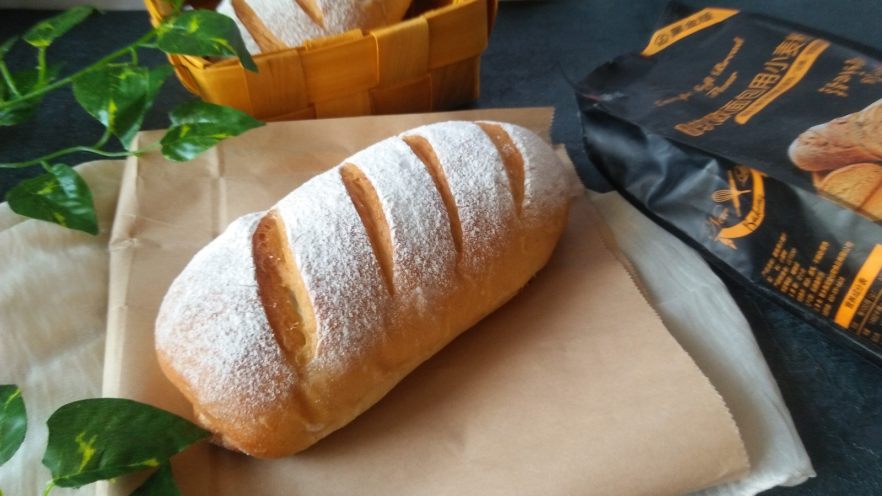
Take the loaves out of the oven (wait, no—first, slash them!). Using a sharp knife or razor blade, make a shallow diagonal cut on the top of each loaf. This helps the bread expand evenly and gives it that beautiful, professional look. Don’t worry if it’s messy—your bread will still taste amazing!

Now, carefully transfer the baking sheet to the preheated oven, on the middle rack. Bake for 20-25 minutes, depending on your oven’s heat. Check after 15 minutes—if the top is golden brown, cover loosely with foil to prevent burning. The key is to bake at a high temperature to get that crispy crust but keep the inside soft.

When it’s done, the bread should sound hollow when you tap the bottom. Let it cool on a wire rack for at least 30 minutes before slicing—this helps the crumb set and keeps it from falling apart. Trust me, waiting is hard, but your taste buds will thank you!
Pro Tips to Avoid Common Mistakes
Let me share my top tips to make sure your bread turns out perfect every time—no more sad, flat loaves!
- Check your flour: High-gluten flour is a must for elasticity, but if you’re out, you can mix bread flour with all-purpose flour (50/50) to get the same result. Different flours absorb water differently, so if your dough is too wet, add a tablespoon of flour at a time until it’s manageable!
- Butter at room temp is key: If you forget to take butter out, cut it into tiny cubes and set it in a bowl next to the dough. It’ll melt into the dough faster than you think, and the kneading will blend it in smoothly.
- Skip the “glove film” obsession: I know, some recipes say you need that perfect windowpane, but for soft European bread, a basic knead until it’s smooth is enough. No need to strain yourself—it’s all about texture, not perfection!
- Longan soaking hack: Soaking longan in warm water for 10 minutes plumps them up and removes any dryness. Drain well and pat dry—no soggy bread here!
- Oven humidity = happy bread: The hot water trick in the oven works wonders! It keeps the crust from drying out and helps the bread rise evenly. If you don’t have a dish, place a bowl of water on the bottom rack—game-changer.
Final Thoughts: Why This Yogurt Soft European Bread Is a Must-Make
Okay, so you’ve got the recipe, the tips, and even the secret ingredient (yogurt!) to make this soft, nutty bread. Let me tell you, after baking this, I had a slice fresh out of the oven with a cup of coffee—and my mind was blown. The texture is like a cloud with a crunch from the pecans, and the yogurt gives it that subtle tang that keeps you coming back for more. Whether you’re a bread pro or a beginner, this recipe is forgiving, and the results are always impressive.
So, what are you waiting for? Grab your ingredients, set aside 2-3 hours (most of it is hands-off), and let’s make some magic. Tag me in your creations—I’d love to see your take on this recipe! And if you have any questions, just leave a comment below—I’m here to help. Happy baking, and enjoy every warm, buttery bite!