

Introduction: Why Homemade Taro Balls Are Worth the Effort
Let’s be real—store-bought taro balls are fine, but there’s something magical about making them from scratch. The texture? Unbeatable. The flavor? Fresh, sweet, and totally customizable. Plus, it’s way easier than you think! I’ve messed up my share of batches (hello, rock-hard dough and mushy balls), but after a few tries, I’ve got the perfect recipe down. Today, I’m sharing it with you so you can make those super chewy, colorful taro balls that taste just like the ones from your favorite bubble tea shop—maybe even better.
Ingredients You’ll Need
First things first: gather your stuff. No fancy tools required—just basic kitchen items and some fresh veggies. Here’s what you’ll need:
- 340g tapioca starch (this is the secret to that chewy texture! Don’t skimp on quality)
- A little cornstarch (for dusting, to stop the balls from sticking)
- 180g purple sweet potato (peeled and cut into chunks—make sure to weigh after peeling!)
- 200g red sweet potato (same as above—look for the ones with bright orange flesh)
- 200g taro (peeled and chunked too—small taro works best here)
- 30g powdered sugar (adjust if you like things sweeter, but this is just right)
Pro tip: If you can’t find fresh taro, frozen works in a pinch, but fresh gives the best flavor. Also, keep a little water or milk handy—some veggies are drier than others, and you might need to add a splash to get the dough right.
Step-by-Step Instructions to Make Chewy Taro Balls
Step 1: Steam the Veggies (No Soggy Mess Allowed!)

Start by washing, peeling, and chopping your purple sweet potato, red sweet potato, and taro into small chunks. The smaller they are, the faster they’ll steam. Now, here’s a trick I learned the hard way: wrap each veggie in aluminum foil before steaming. Why? It keeps excess water out! If you skip the foil, your veggies will get too mushy, and you’ll have to add way more tapioca starch later. Trust me—this step saves you from a sticky disaster.
Steam them over boiling water for about 15-20 minutes, or until they’re fork-tender. You should be able to mash them with a spoon easily.
Step 2: Make the Purple Sweet Potato Dough

Take the steamed purple sweet potato (let it cool for a minute so you don’t burn your fingers!) and put it in a bowl. Add 10g of powdered sugar and 80g of tapioca starch.

Mash the purple sweet potato first—get rid of any lumps! I use a potato masher, but a fork works too. Then stir in the sugar until it’s mixed in.

Now, add the tapioca starch a little at a time. Don’t dump it all in at once! Purple sweet potato is usually drier, so you might need a tiny splash of water or milk to get the dough to come together. Knead it until it’s smooth and not sticky. If it’s too crumbly, add a drop more liquid; if it’s too sticky, add a bit more starch.
Step 3: Make the Red Sweet Potato Dough

Next up: red sweet potato! This one is usually a bit moister than purple, so the ratios are slightly different. Take the steamed red sweet potato, add 10g of powdered sugar, and 110g of tapioca starch.

Mash the red sweet potato, mix in the sugar, then add the tapioca starch gradually. Knead until smooth. Again, adjust with a little liquid or starch if needed. Red sweet potato dough is usually a bit easier to work with—lucky you!

Just remember: the dough should be firm but pliable. If it’s too soft, it’ll fall apart when you boil it. If it’s too hard, your taro balls will be tough.
Step 4: Make the Taro Dough

Now for the star of the show: taro! I used small taro, which is super moist, so I needed more tapioca starch here. Take the steamed taro, add 10g of powdered sugar, and 150g of tapioca starch.

Mash the taro until it’s smooth (taro can have a stringy texture, so make sure to get all the lumps out!). Mix in the sugar, then add the tapioca starch little by little. Knead until you have a smooth dough. Since taro is moist, you might not need any extra liquid—just keep adding starch until it’s not sticky.

Once you’re done, you’ll have three beautiful doughs: purple, orange, and light beige. They look so pretty together—like a rainbow of chewy goodness!
Step 5: Cut the Taro Balls (No Fancy Tools Needed)

Now it’s time to shape the dough into balls. First, dust your countertop with cornstarch—this is non-negotiable. If you skip it, your dough will stick to the counter and you’ll want to scream.

Here are two easy methods to cut the taro balls:
- Method 1 (for dry, crumbly dough like purple sweet potato): Press the dough into a flat rectangle with your hands. Then use a knife to cut it into small squares (about 1cm x 1cm). This is easier than rolling because dry dough breaks easily.
- Method 2 (for softer dough like red sweet potato or taro): Roll the dough into a long, thin log (about 1cm in diameter). Then cut the log into 1cm pieces. This is faster and gives you rounder balls.

Pro tip: As you cut the balls, toss them in a bowl with a little cornstarch to keep them from sticking together. I learned this the hard way—once I left a pile of un-dusted balls, and they turned into a big clump. Not fun.
Step 6: Boil the Taro Balls (The Chewy Secret)

Fill a big pot with water and bring it to a rolling boil. Carefully drop the taro balls into the water—don’t overcrowd the pot! Cook them in batches if you need to.

Wait until the taro balls float to the surface—this means they’re almost done. Let them boil for one more minute to make sure the inside is cooked through. If you take them out too early, the center will be raw and starchy.
Now for the most important step to get that super chewy texture: drain the taro balls and immediately put them into a bowl of cold water (ice water is even better!). The hot-cold contrast makes the outside firm and chewy. Let them sit in the cold water for 1-2 minutes, then drain again.
Delicious Ways to Serve Your Homemade Taro Balls
Your taro balls are ready—now what? The possibilities are endless! Here are my two favorite ways to serve them:
Way 1: Black Sugar Taro Balls (Classic Taiwanese Style)

This is the classic way to eat taro balls, and it’s so simple. Take 3-4 pieces of black sugar (or brown sugar if you don’t have black sugar) and add a little water to a small pot. Cook over low heat until the sugar melts into a syrupy sauce.

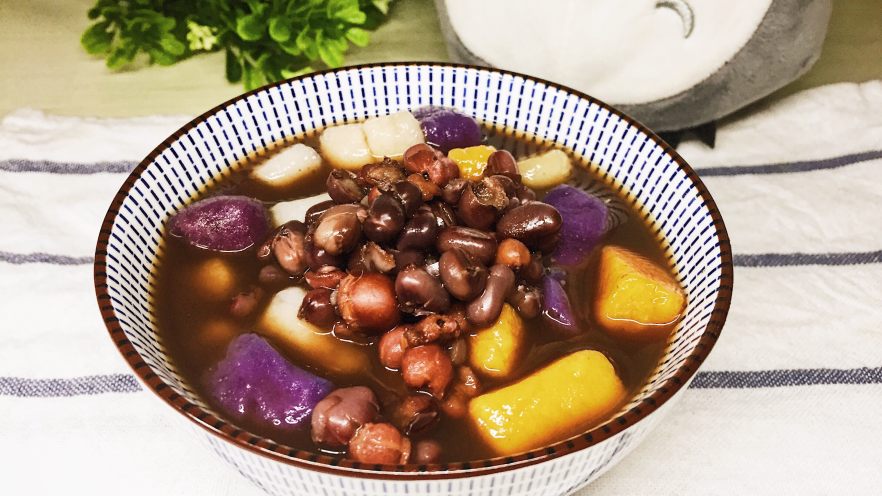
Add your taro balls to a bowl, pour the black sugar syrup over them, and top with some cooked red beans (see my red bean tip below!). It’s sweet, chewy, and totally comforting—like a hug in a bowl.
Way 2: Coconut Milk Taro Balls (Creamy & Refreshing)

If you love creamy, tropical flavors, this is for you. Just pour cold coconut milk over your taro balls—no sugar needed (unless you want extra sweetness, then add a splash of condensed milk). It’s light, refreshing, and perfect for hot days. I could eat this every day—no joke.
Bonus: How to Cook Perfect Red Beans

Red beans are the perfect sidekick to taro balls, but they can be tricky to cook. Here’s my foolproof method:
- Soak the red beans in water overnight. This cuts down cooking time and makes them softer.
- Put the soaked beans in a pot, add enough water to cover them, and bring to a boil.
- Turn the heat to low, cover, and simmer for 30 minutes.
- Turn off the heat and let the beans sit in the hot water for 1 hour (this is the secret to creamy beans without overcooking!).
- Turn the heat back on, boil for 5 more minutes, then turn off again. Let them sit for a few more minutes, and they’re done!
Store the red beans in the fridge—they’ll last for up to a week, so you can use them for multiple taro ball batches.
Final Thoughts: You’ve Got This!
Making homemade taro balls might seem intimidating at first, but once you try it, you’ll wonder why you ever bought them from the store. The key is to be patient with the dough—don’t rush adding the starch, and adjust the liquid as needed. And remember: even if your first batch isn’t perfect, it’ll still taste way better than store-bought.
So grab your veggies, dust your counter, and get cooking. Your taste buds will thank you—promise!