


Why Wheat Germ Dinner Rolls Are My Go-To Healthy Breakfast
Let’s be real—mornings are chaotic. Between hitting snooze three times, chasing the dog around for their leash, and remembering where I left my keys, the last thing I want is a complicated breakfast. That’s why I’ve been obsessed with these wheat germ dinner rolls lately. They’re soft, packed with nutrients, and disappear faster than my coffee on a Monday. Seriously, my family grabs them before I even finish cooling them down!
Wheat germ is the unsung hero here. It’s loaded with over ten nutrients—think B vitamins, fiber, and healthy fats. And since breakfast is the most important meal of the day (yes, I know, we’ve all heard it, but it’s true!), adding wheat germ to my morning routine feels like a win. These rolls have visible flecks of wheat germ, a perfect balance of salty and sweet, and they’re just as good torn apart by hand as they are sliced with a knife. Trust me, once you try them, they’ll be your new breakfast staple.
Ingredients You’ll Need
Before we dive in, let’s round up the stuff you’ll need. Don’t worry—no fancy ingredients here! Most of these are probably already in your pantry.
- 200g bread flour
- 50g cake flour (this is what makes them extra soft—don’t skip it!)
- 25g wheat germ (the star of the show)
- 35g salted butter (split into two parts—more on that later)
- 30g powdered sugar (just a touch for sweetness)
- 3g salt (to balance the flavors)
- 1 egg (room temp is best, but if you forget, just run it under warm water for a minute)
- 120g pure milk (again, room temp helps with yeast activation)
- 3g active dry yeast (make sure it’s not expired—nothing kills a bake faster than dead yeast)
- Extra corn oil (for greasing the mold—this is outside the main ingredients list)
Step-by-Step Instructions
Okay, let’s get baking! I promise this is easier than it looks—even if you’re a beginner.
Step 1: Prep Your Materials

First things first: split your butter into two parts—one bigger chunk and one smaller one. Also, grab your mold and grease the bottom and sides with a little corn oil. Set that aside for now; we’ll use it later.
Step 2: Mix the Dough in the Bread Machine

Here’s the lazy part (I love lazy baking): toss all your wet and dry ingredients into the bread machine bucket in this order: pure milk, egg, salt, powdered sugar, cake flour, bread flour, wheat germ, and finally yeast (make sure the yeast doesn’t touch the salt directly—salt can kill yeast!). Then start the kneading program for 15 minutes. Let the machine do the work!
Step 3: Add the First Batch of Butter

After the first 15 minutes of kneading, add the bigger piece of butter (about 25g) to the bucket. Restart the kneading program for another 20 minutes. This is where the magic happens—butter makes the dough super soft.
Step 4: Add the Rest of the Butter

About 10 minutes into the second kneading cycle, throw in the remaining butter. Keep kneading until the timer goes off. Don’t worry if it looks a little messy at first—just trust the process.
Step 5: Check for the Window Pane

Now it’s time to test the dough! Grab a small piece and gently stretch it. If you can pull it thin enough to see light through it (without it tearing), you’ve got the perfect “window pane” effect. That means the gluten is developed, and your rolls will be nice and chewy (in the best way).
Step 6: First Fermentation

Take the dough out of the bread machine and shape it into a smooth ball. Cover it with plastic wrap and let it sit at room temperature until it doubles in size—this usually takes about an hour. Pro tip: If your kitchen is cold, pop it near a warm oven (but not inside!) to speed things up.
Step 7: Prep the Mold

While the dough is fermenting, take that greased mold and stick it in the fridge to chill. This helps the rolls not stick later—trust me, you don’t want to fight with a stuck roll at 7 a.m.
Step 8: Check Fermentation

How do you know if the dough is done fermenting? Dip your finger in a little bread flour and poke the center. If the indentation stays (like a little belly button!) and doesn’t spring back or collapse, you’re good to go. If it springs back, let it ferment a bit longer. If it collapses, oops—you over-fermented, but don’t panic! Just punch it down and try again (it might still turn out okay).
Step 9: Punch Down and Divide

Take the dough and give it a good punch to release all the air (this is weirdly satisfying). Divide it into 4 equal pieces, roll each into a ball, and cover with plastic wrap. Let them rest for 15 minutes—this is called “relaxing” the dough, and it makes shaping easier later.
Step 10: Shape the Rolls

Now for the fun part! Take each relaxed dough ball and divide it into 3 smaller pieces. Roll each small piece into a long “tongue” shape, then roll it up tightly like a cinnamon roll. Set them aside until all are shaped—this might take a few minutes, but it’s worth it for that perfect spiral inside.
Step 11: Second Fermentation

Take the mold out of the fridge and place the shaped rolls evenly inside. Preheat your oven to 38°C (100°F) and put a tray of hot water on the bottom rack—this creates humidity, which helps the rolls rise nicely. Let them ferment for about 40 minutes, or until they’re puffy and fill the mold.
Step 12: Bake the Rolls

Once the rolls are puffy, sprinkle a little flour on top and make a small slash with a sharp knife (this lets them expand while baking). Turn the oven up to 200°C (400°F) to preheat, then pop the mold in. Keep the tray of hot water in the oven—this keeps the rolls soft. Bake for 20 minutes, or until they’re golden brown on top.
Step 13: Cool and Unmold

When the rolls are done, take them out of the oven and immediately flip the mold over to release them. Let them cool on a wire rack for a few minutes—don’t skip this! If you cut them too soon, they’ll be gummy inside.
Step 14: Enjoy!

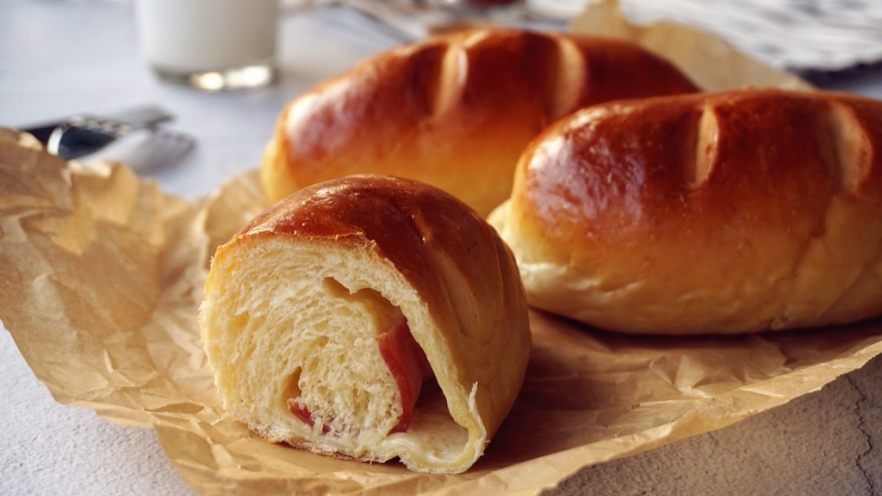
Now for the best part: tearing into a warm roll! The inside is soft and fluffy, with little bits of wheat germ adding a nutty flavor. It’s perfect with a smear of butter or a dollop of jam.

Or slice them up for a more polished look—either way, they’re delicious. I like to make a batch on Sunday and eat them throughout the week (if they last that long!).
Pro Tips for Perfect Rolls Every Time
Here are a few little tricks I’ve learned to make these rolls even better:
- When fermenting or relaxing the dough at room temperature, cover the plastic wrap with a clean damp cloth. This keeps the dough from drying out.
- For oven fermentation and baking, always keep that tray of hot water in the bottom. It’s a game-changer for soft, moist rolls.
- If you don’t have a bread machine, you can knead by hand! It’ll take about 20-25 minutes, but it’s a great arm workout.
- Store leftover rolls in an airtight container at room temperature for up to 3 days. To reheat, pop them in the microwave for 10 seconds or the oven at 180°C (350°F) for 5 minutes.
Final Thoughts
These wheat germ dinner rolls are my new breakfast obsession. They’re healthy, easy to make, and so delicious that even my picky eater kid asks for seconds. Whether you’re a seasoned baker or a beginner, this recipe is foolproof. Give it a try this weekend—your morning self will thank you!