
What Is Hokkaido Chiffon Cake, Anyway?
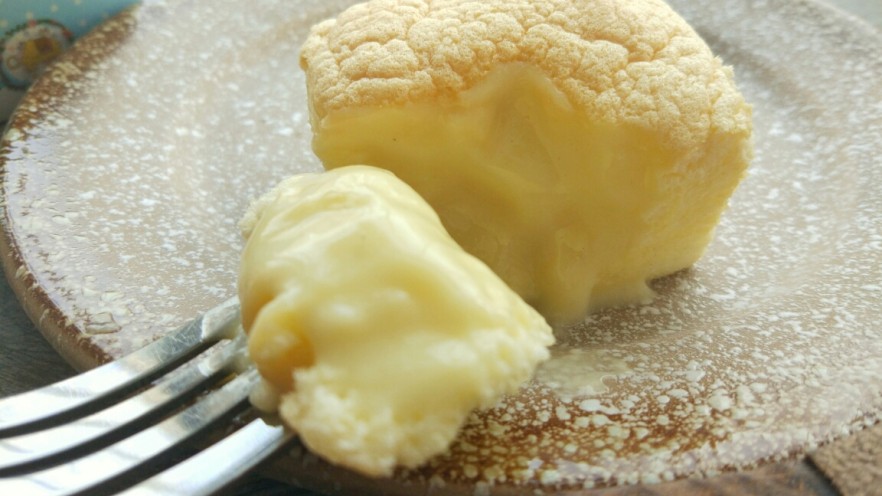
Have you ever scrolled through your social media feed and stopped dead at those photos of bakery-style cakes that look so soft they could melt? The ones with that pillowy, cloud-like sponge and a creamy filling oozing out when you take a bite? Yeah, that’s Hokkaido chiffon cake—and it’s basically the holy grail of light, indulgent treats.
Unlike regular chiffon cake, which is already fluffy, the Hokkaido version takes it up a notch with a rich, vanilla-infused custard cream center. It’s the perfect balance: the sponge is airy and slightly sweet, while the filling adds that creamy, dreamy kick that makes you want to go back for seconds (or thirds—no judgment).
Ingredients You’ll Need
First things first: let’s gather your supplies. This recipe is split into two parts—the chiffon sponge and the custard filling. Don’t worry, neither is too tricky, but you’ll want to measure everything out ahead of time to avoid chaos (trust me, I’ve learned that the hard way).
For the Hokkaido Chiffon Sponge
- 46g cake flour (make sure it’s cake flour—all-purpose is too heavy!)
- 5 large eggs (separated into egg whites and yolks—super important)
- 40g whole milk (room temp works best)
- 80g granulated sugar (split between egg yolks and whites)
- A few drops of lemon juice (for stabilizing the egg whites)
- 35g corn oil (or any neutral-flavored oil like canola)
For the Creamy Custard Filling
- 2 large egg yolks (or 3 if your eggs are tiny—like mine sometimes are!)
- 25g cake flour
- 50g granulated sugar
- 250g whole milk
- 2 drops vanilla extract (this is non-negotiable for that classic custard flavor)
Step-by-Step Hokkaido Chiffon Cake Instructions
Let’s break this down into easy, manageable steps. I’ve included photos for each part so you can follow along—no guesswork here!
Part 1: Make the Chiffon Sponge

1. Separate the egg whites and yolks. This is crucial—even a tiny bit of yolk in the whites will ruin your meringue. Pro tip: use a small bowl to separate each egg one by one, so if you mess up, you don’t ruin the whole batch.

2. In a medium bowl, add the egg yolks and 30g of sugar. Whisk them together until the mixture is pale yellow and slightly thickened. No need to overdo it—just make sure the sugar is dissolved.

3. Pour in the milk and corn oil. Whisk again until everything is fully combined. The mixture should look smooth, not oily.

4. Sift the cake flour into the yolk mixture. Sifting is key for a fluffy sponge—don’t skip this! Use a rubber spatula to fold the flour in gently until there are no lumps left. Be careful not to overmix, or your sponge will be dense.

5. This is what your final yolk batter should look like: smooth, glossy, and pourable. If it’s too thick, you might have added too much flour—double-check your measurements!

6. Now, let’s tackle the egg whites. Add a few drops of lemon juice to the whites—this helps stabilize the meringue and gives it a nice, firm peak.

7. Add the remaining 50g of sugar to the whites in three parts. First, whisk on low speed until the sugar starts to dissolve. Then, turn up the speed to medium and whisk until soft peaks form. Add the second third of sugar, whisk to medium peaks, then the final third until you get stiff peaks.

8. How do you know when the meringue is ready? Lift your whisk—you should see a small, firm hook at the end (this is called a “soft stiff peak”). If it’s too runny, keep whisking; if it’s dry and crumbly, you’ve gone too far (oops—start over with new whites).

9. Fold the meringue into the yolk batter in three parts. Take a big scoop of meringue and mix it into the yolk batter first—this lightens the batter so the rest of the meringue folds in easily. Then add half the remaining meringue, fold gently (from the bottom up, like you’re folding a letter), then the last half. Don’t stir—folding keeps the air in the batter, which makes the sponge fluffy.

10. Your final batter should be light, airy, and pale yellow. If it’s deflated, you probably overmixed the meringue—next time, take it slower!

11. Pour the batter into paper cupcake liners (fill them about ¾ full) or a chiffon cake pan. Tap the pan gently on the counter a few times to get rid of any air bubbles.

12. Preheat your oven to 160°C (320°F) for 10 minutes. Bake the cupcakes (or cake) on the middle rack for 25 minutes. Don’t open the oven door for the first 20 minutes—this can cause the sponge to collapse!

13. Once baked, take the cupcakes out and let them cool completely on a wire rack. You’ll notice they shrink a little—that’s normal! The high moisture content in the sponge makes it soft, so shrinkage is just part of the process.
Part 2: Make the Custard Filling
Now for the best part—the creamy custard that makes this cake so special. This is super easy to make, but you have to watch it closely to avoid lumps.

14. In a small bowl, whisk the egg yolks and 50g of sugar together until pale and creamy. If your eggs are tiny (like mine were once!), use 3 yolks instead of 2—no big deal.

15. Sift the 25g of cake flour into the yolk mixture. Whisk until everything is combined—again, no lumps!

16. Just a quick stir—don’t overmix here. You want a smooth paste, not a frothy mess.

17. Heat the 250g of milk in a small saucepan over medium heat until it just starts to boil (you’ll see tiny bubbles around the edges). Don’t let it boil vigorously—this can curdle the eggs later.

18. Slowly pour the hot milk into the yolk mixture, whisking constantly. This is called “tempering” the eggs—it prevents them from curdling when you add the hot milk.

19. Pour the mixture back into the saucepan and cook over low heat, stirring constantly with a rubber spatula. Keep stirring until the custard thickens—this takes about 2-3 minutes. Don’t stop stirring, or the bottom will burn!

20. Keep going until the custard is thick enough to coat the back of your spatula. You should be able to draw a line through it with your finger and have it stay.

21. Once it’s thick, remove it from the heat and stir in the vanilla extract. If there are any lumps, strain the custard through a fine-mesh sieve (this is optional, but it makes the custard extra smooth). Let it cool completely—you can even pop it in the fridge for 10 minutes to speed things up.
Part 3: Assemble the Cake

22. Once the custard is cool, transfer it to a piping bag with a small round tip. If you don’t have a piping bag, a plastic sandwich bag with the corner cut off works too!

23. Take your cooled chiffon cupcakes (or cake) and poke a hole in the bottom (or top, if you prefer) with the piping tip. Squeeze the custard into the hole until the cake feels heavy and the custard starts to ooze out a little.

24. And that’s it! Your Hokkaido chiffon cake is ready to eat. Take a bite—see that fluffy sponge and creamy filling? Yum.

25. Pro tip: Serve it chilled for an extra refreshing treat. The custard gets even creamier when it’s cold—trust me, it’s game-changing.
Final Thoughts
Making Hokkaido chiffon cake might seem a little intimidating at first, but once you get the hang of the meringue and custard, it’s a breeze. The key is to take your time—don’t rush the folding step, and keep an eye on the custard while it’s cooking.
And hey, if your first batch isn’t perfect? That’s okay! Baking is all about practice. Just remember: the best part is eating the results (even if they’re a little lumpy or deflated). So grab your ingredients, preheat that oven, and let’s make some magic.